 Amphibians and Reptiles
of Europe
Amphibians and Reptiles
of Europe
Kenya & Tanzania
Central Highlands, high central Rift Valley and the Eastern Arc Mountains
From the 11th of March until the 11th of April 2026
Already our last leg of our time in Africa, but one that would hold many highlights! After Madagascar, Laura and I flew from Antananarivo to Nairobi to meet with our friends Mirthe and Ferry from The Wild Snake Project. They are doing incredible work in Kenya where they are educating people about the importance of snakes and working to protect some of the last remaining areas where Kenya's incredible endemic snakes can be found. Three years ago I had an amazing trip with them in Kenya, but we had missed seeing two of the three endemic viper species. As you can imagine, I was keen to try it again. Moreover, neighboring Tanzania is the country with the highest chameleon diversity in the world (after Madagascar), so there were several mountain ranges with new chameleon species waiting for us. Shortly before our trip started, some troubling news came in. Many people lost their lives in historical rains causing floods throughout East Africa. Roads and houses were washed away and entire areas were under water. And then there was also the tangerine toddler who decided to start an unnecessary war in Iran. The Street of Hormuz closed and fuel shortages were quick to follow. Amidst geopolitical turmoil and the ever changing climate we decided to make no fixed plans, but to proceed with our own schedule as well as we could and see what was possible. This flexibility in combination with our determination was a success formula!

Nairobi
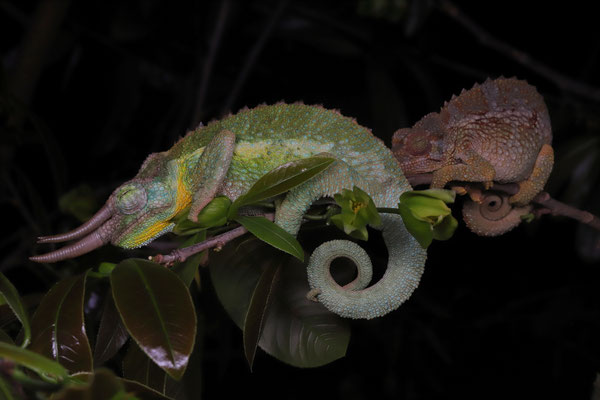
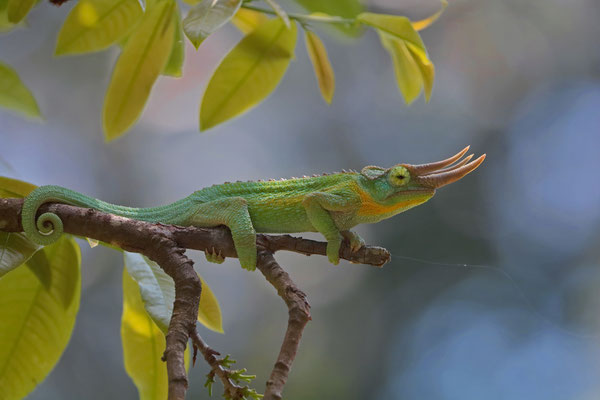
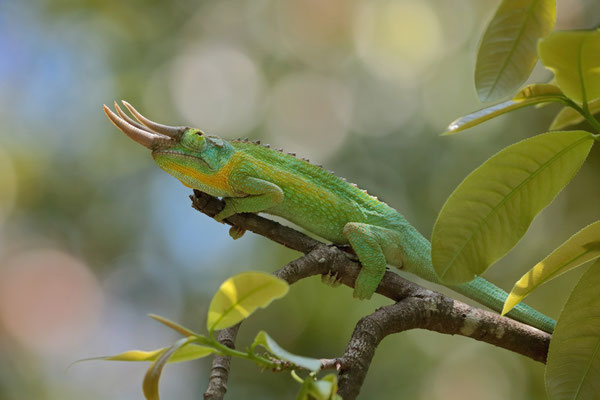
In the capital of Kenya, Mirthe has a wonderful home where we could stay in the cozy guesthouse in the garden. Here we could relax a few days after a busy time in Madagascar, but also during short stops in between parts of our trip. The garden provided a great place to see Jackson's Three-horned Chameleons (Trioceros jacksonii), but also Hemidactylus mabouia, Adolfus kibonotensis and Trachylepis striata. Laura could play with the giant dog Moose in the garden and we finally had time to watch a movie or two. And not only for relaxing and herping it was great to spend some time in the city, we very much enjoyed the culinary highlights at the Crafty Chameleon and Furusato as well!

Aberdares
From the 17th until the 19th of March 2026
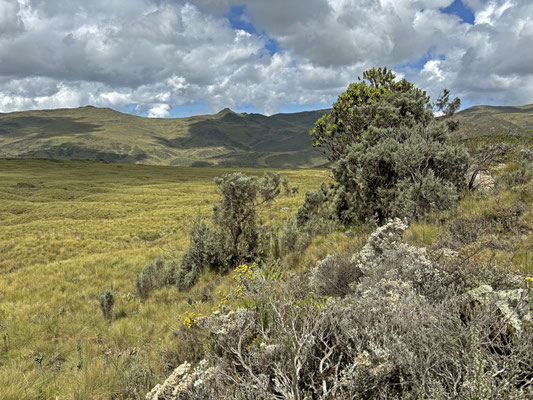
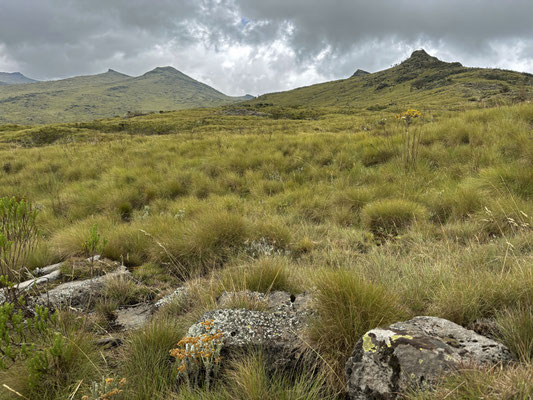
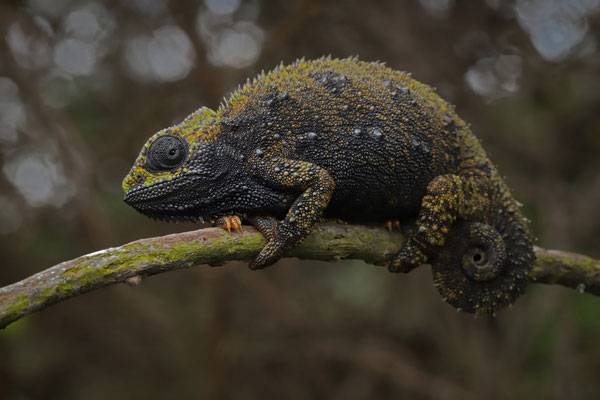
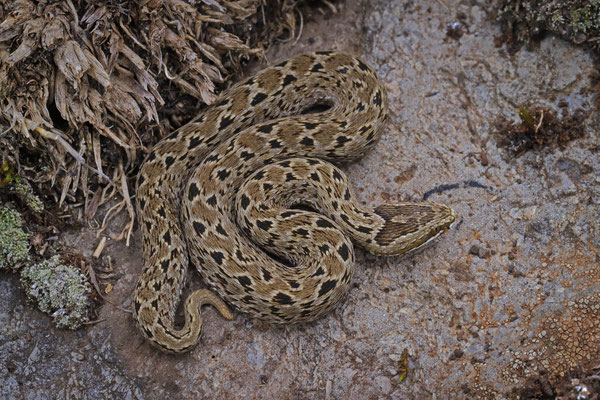
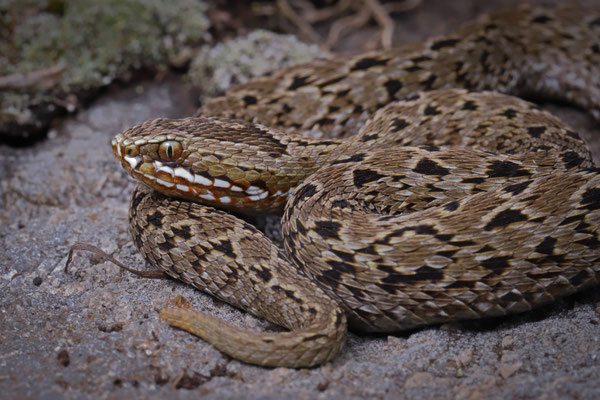
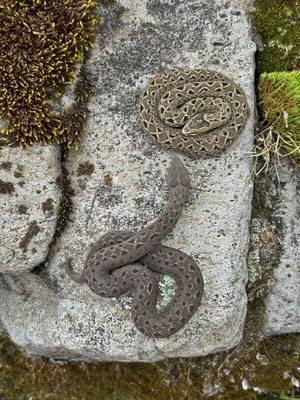
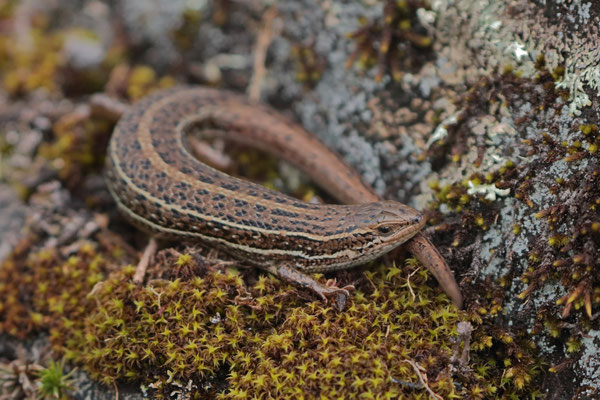
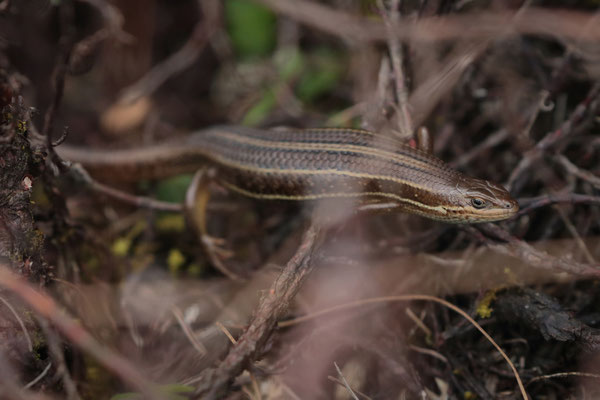
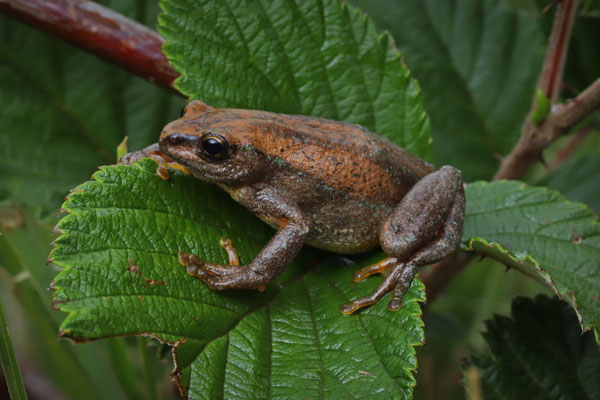
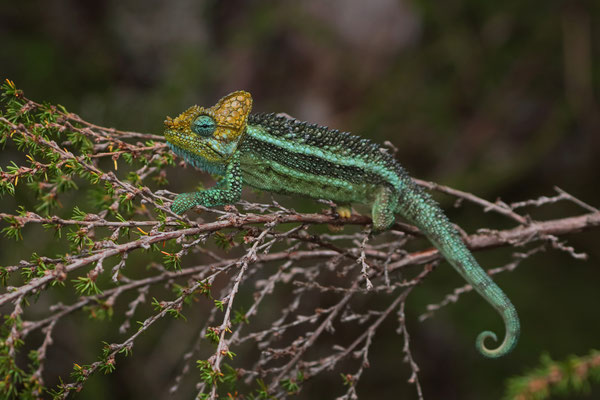
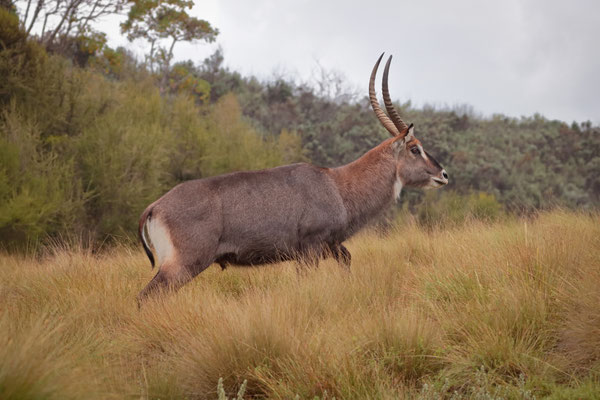
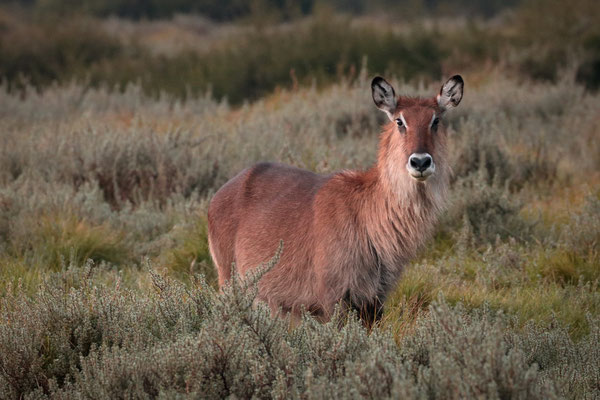
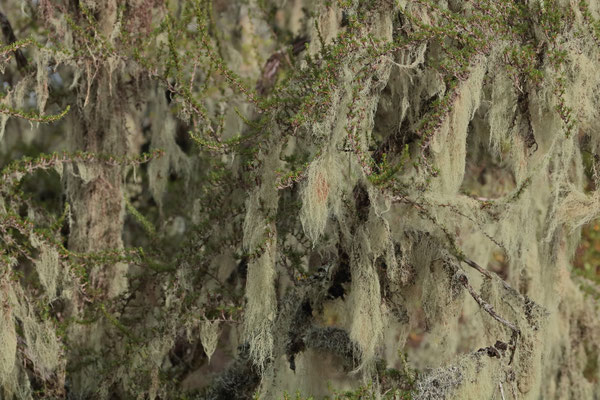
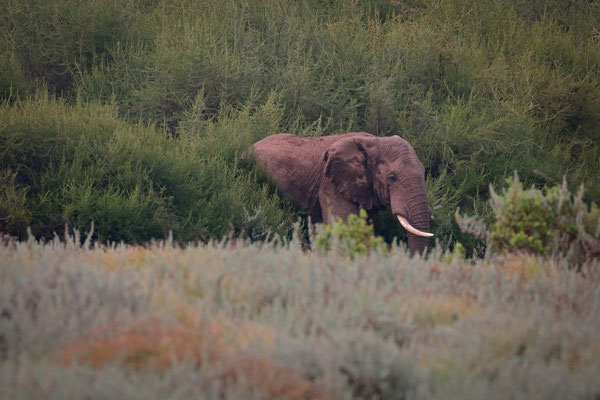
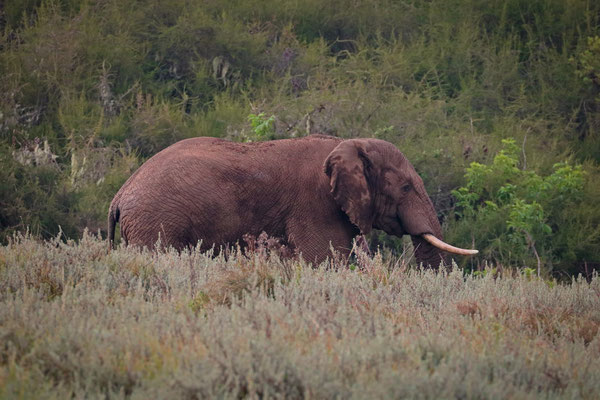
Our first stop and immediately one where we could find one of the endemic vipers we were hoping to see. The winding road up leads through forests and vast stands of bamboo. Gnarled and twisted trees, covered with moss line the road. Higher up the forests give way to grasslands and moorlands and it is a place of indescribable beauty and tranquility. We stayed in one of the cottages where we were the only guests. Nobody was as crazy enough to drive up there during these historical rains! But the only guests doesn't mean we were alone. While herping here it is always important to look far ahead and be in close touch to your surroundings. We had frequent encounters with Waterbuck and Buffalo and one afternoon a lone Elephant came walking past. What a place! During our first afternoon we only saw some of the more common herps such as a few stunning High-casqued Chameleons (Trioceros hoehnelii) and some very shy Variable Skinks (Trachylepis varia). The second day we explored the grasslands near one of the highest peaks and within minutes, Ferry spotted one animal after another. While we were still busy photographing the Aberdare Mountains Chameleons (Trioceros kinangopensis) with their beautiful triple beards, he found two stunning Kenya Montane Vipers (Montatheris hindii) while Alpine Meadow Skinks (Trachylepis irregularis) were running through the tall grass. Fantastic to see all these stunning endemics in such a small and confined area. With such a good start we could enjoy our homemade food and an evening at the warm hearth even more!











Mount Kenya
From the 19th until the 22nd of March 2026
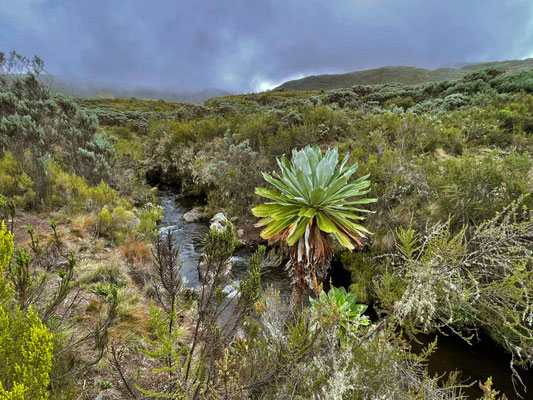
From one stunning mountain range to the next. Mount Kenya is Africa's second highest peak after the Kilimanjaro. Vast tracts of forest encircle the mountain and are home to some very special
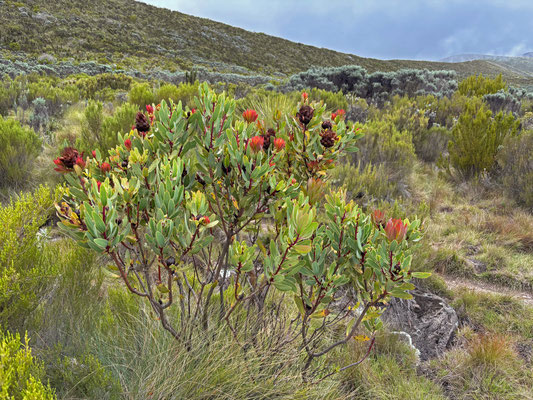
endemics. Above the treeline the scenery is similar to the Aberdares with a mosaic of grasslands, moorlands and montane forests. The scenery is mesmerizing and looks like a painting. In this
landscape there are also some endemic species to be found and of course we were keen to see them. During my last visit I could already see several Mount Kenya Side-striped Chameleons
(Trioceros schubotzi) and it was a pleasure to see these small gems once more. Like last time, the weather didn't really play along and the afternoon was quite overcast.
Seeing lizards wasn't easy but we still saw several Trachylepis irregularis, Trachylepis varia and finally Ferry found a Mount
Kenya Alpine Meadow Lizard (Adolfus alleni). Just after we finished photographing the lizards, two giants came lumbering out of the woods and started foraging right where we
just searched for reptiles. Again we had incredible Elephant sightings in such a unique alpine setting. When the rains finally started to fall, we sheltered at a lodge and ate some delicious
pumpkin soup and masala chips.

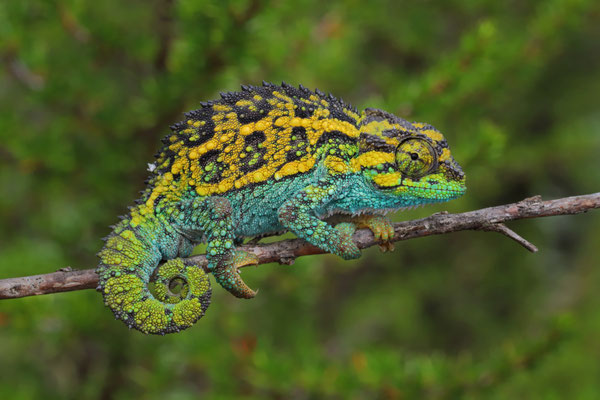
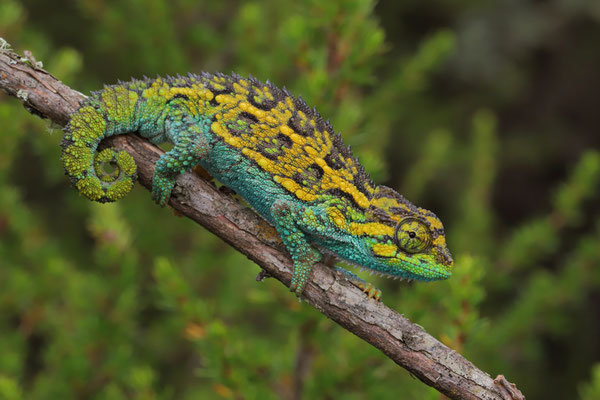


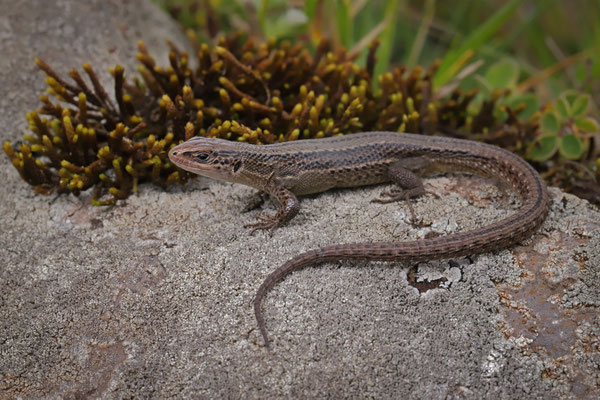
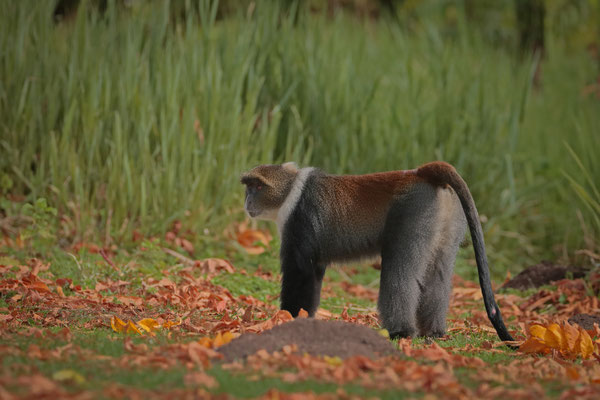
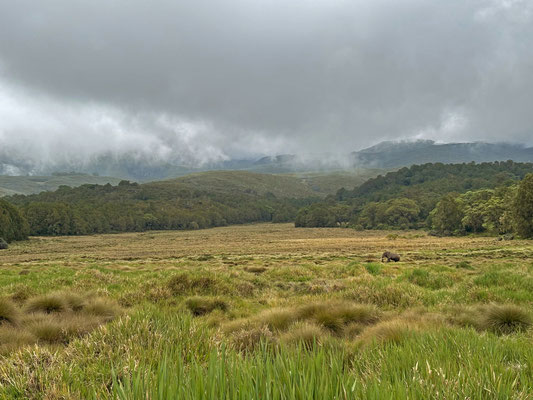
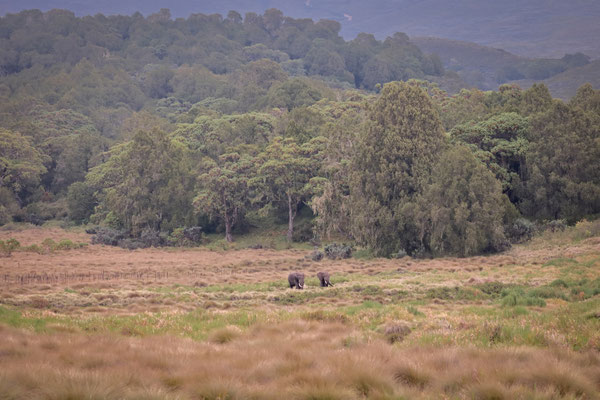
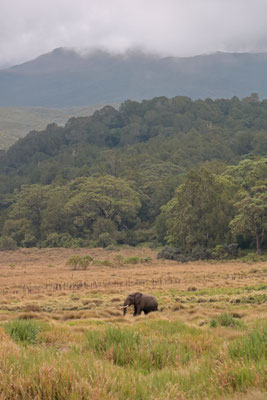


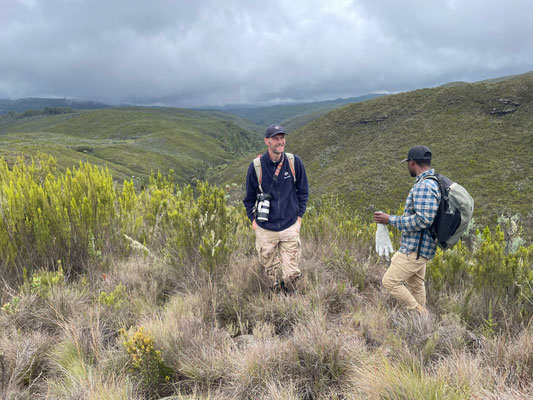
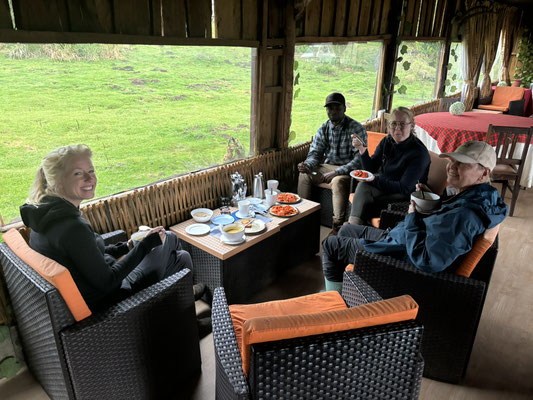
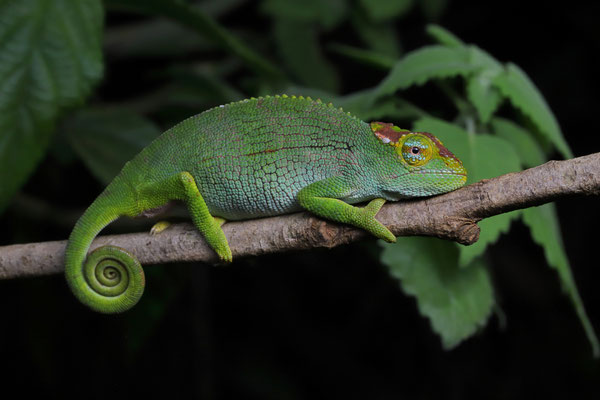
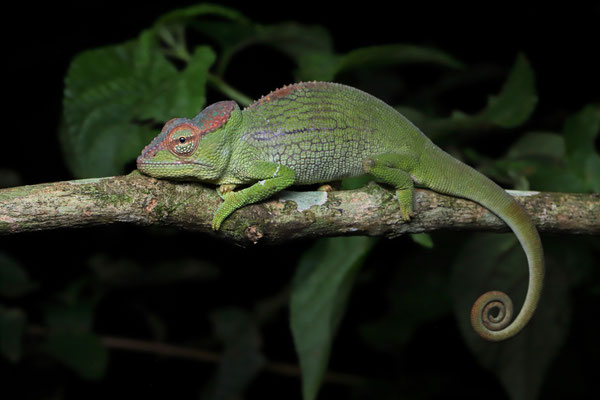
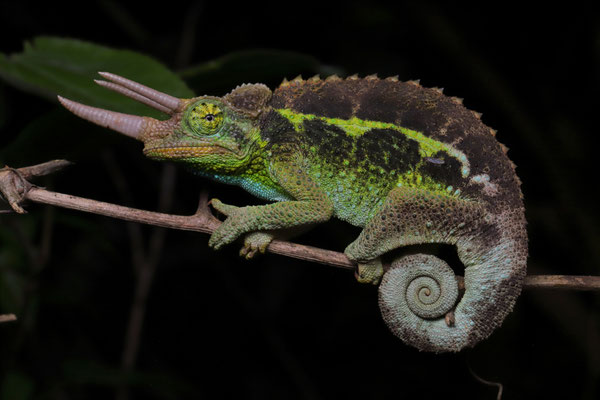
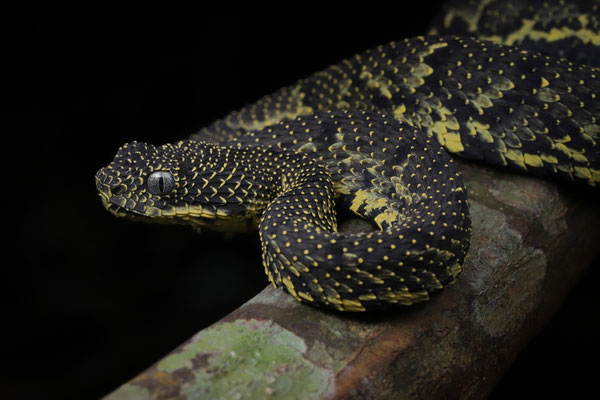
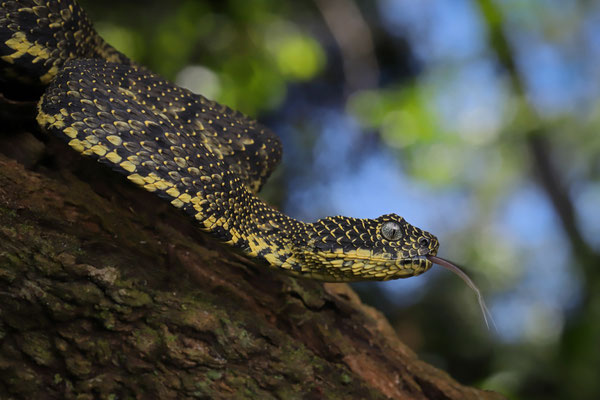
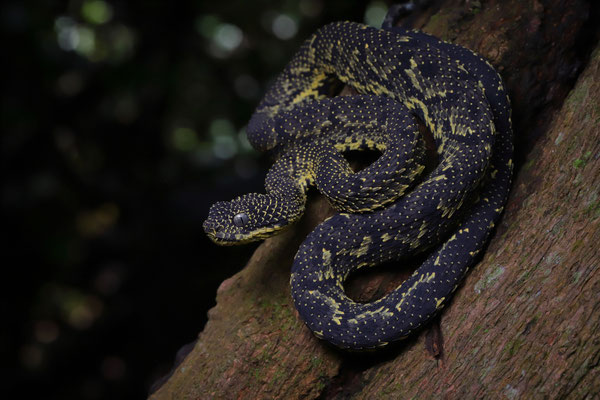
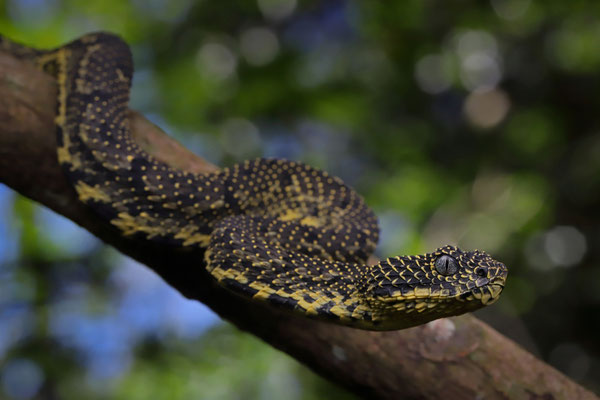
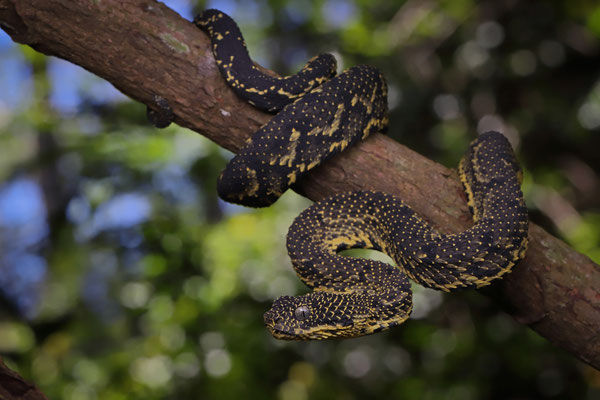
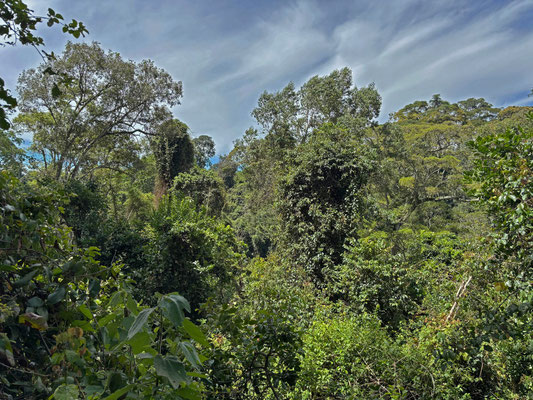
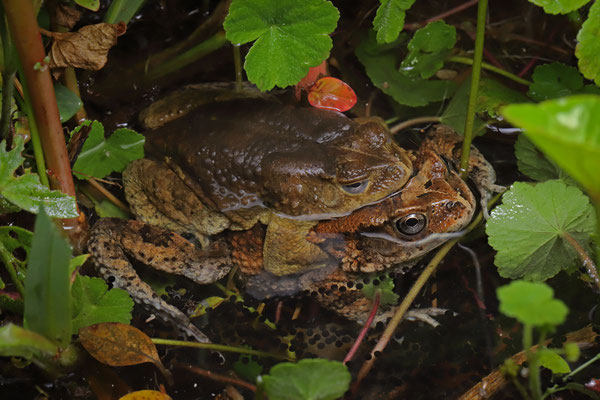
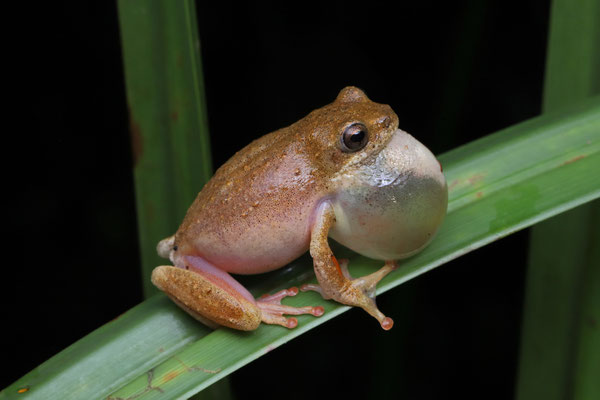
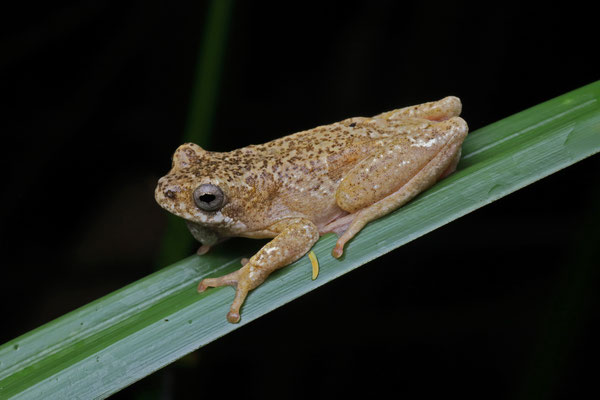
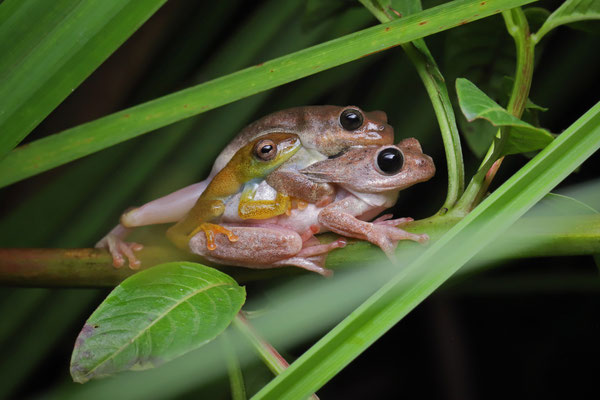
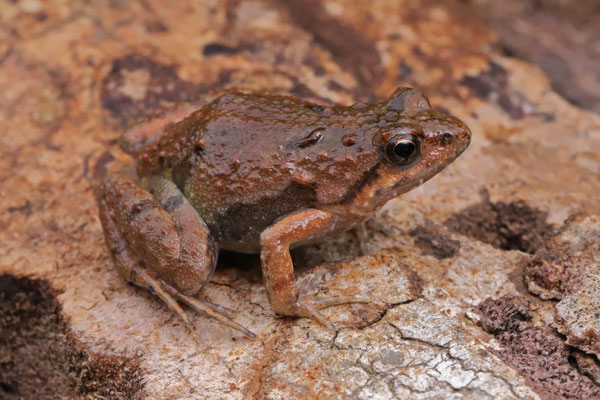
The next day it was time to search for another endemic viper at lower altitude. Sadly Mirthe had to leave for a few days, but we had reinforcement from Mim who joined the team. In the morning we searched a patch of highly degraded forest where singular tree are covered with vines and climbers. A harsh habitat where visibility is low and the detectability of snakes as well. While the earthbound team was unsuccessful in finding anything, Ferry was climbing multiple trees and scanning every branch. In his fourth tree he struck gold and found a stunning Mount Kenya Bush Viper (Atheris desaixi). What a find and what a snake! At night we also explored several forest patches and could find several chameleons such as Flap-necked Chameleons (Chamaeleo dilepis), Jackson's Three-horned Chameleons (Trioceros jacksonii) and Mount Kenya Hornless Chameleons (Kinyongia excubitor). Other finds included Sclerophrys kerinyagae, Phrynobatrachus keniensis and a deafening chorus of Hyperolius cystocandicans, Hyperolius glandicolor and Kassina senegalensis. It was great to be back at this wonderful place because last time I was here, I was laying on the forest floor on a plastic bag as I was feeling really not well.






Arusha
From the 24th until the 26th of March 2026
The drive into Tanzania was smooth, although the border crossing involved "making friends" here and there to make the whole process last not even longer. But we made it through without major hassle! Situated at the slopes of Mount Meru, the urban sprawl of Arusha is home to several chameleons of the area. None are truly endemic, but frankly, Arusha is a good place to see some of them. After a lovely dinner at the Blue Heron with giraffe researchers Monica and Derek, we spotted a single Graceful Chameleon (Chamaeleo gracilis) along the road. Nocturnal exploration of the garden delivered the first Kilimanjaro Two-horned Chameleon (Kinyongia tavetana). Frankly, quite easily. The pond next to our cabin was full of life as well and we could fall asleep with a deafening chorus of Hyperolius viridiflavus, Kassina senegalensis and Amietia nutti. The next day we explored the higher elevations where we found multiple Kinyongia tavetana again, and even a few Crater Highlands Side-striped Chameleon (Trioceros sternfeldi) living in roadside hedgerows. Frankly, we couldn't believe it! We cooked a lovely pasta dinner and then the next day it was already time to say goodbye to the cute local dog Socksi and drive on to the next location.




South Pare Mountains
From the 26th until the 28th of March 2026
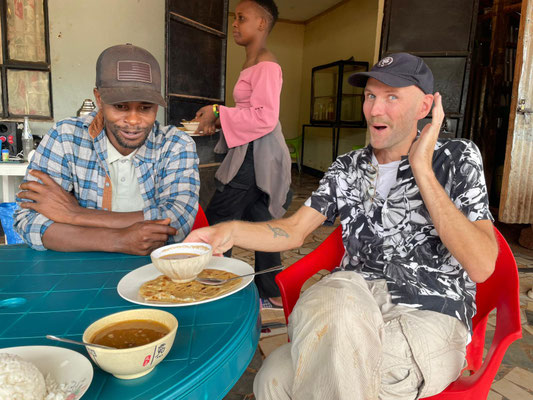
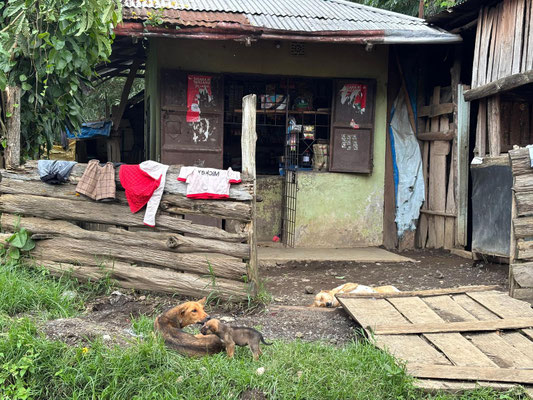
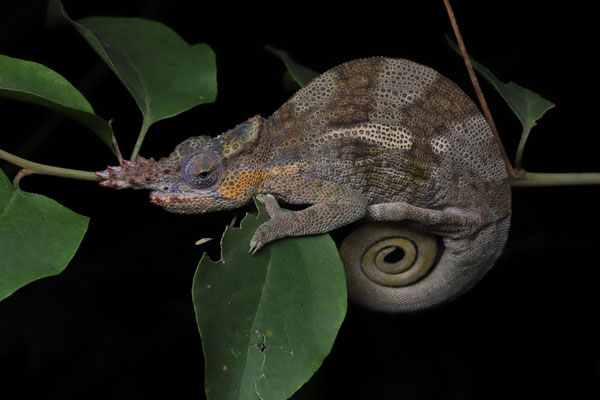
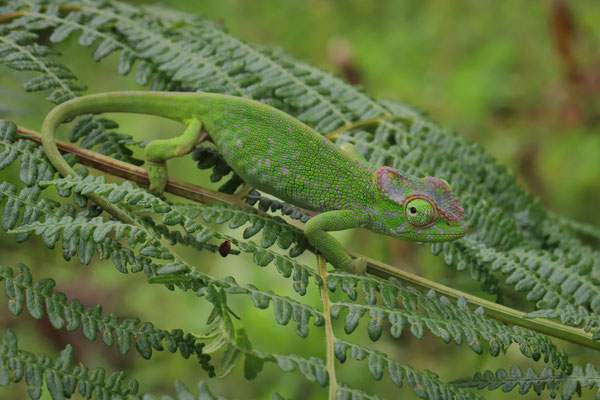
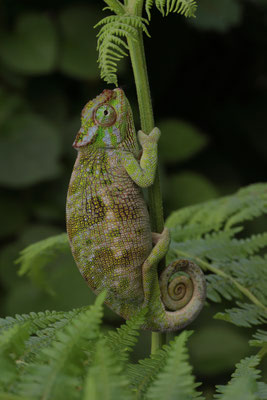
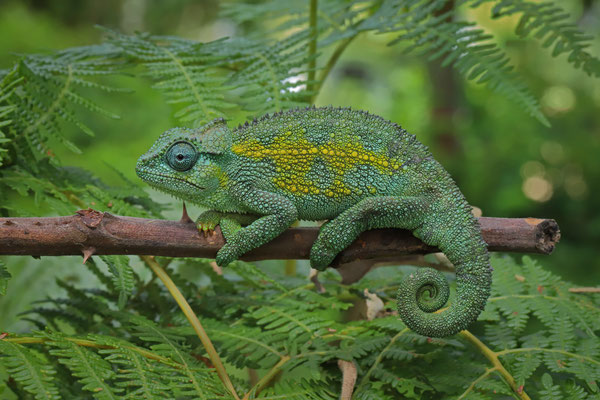
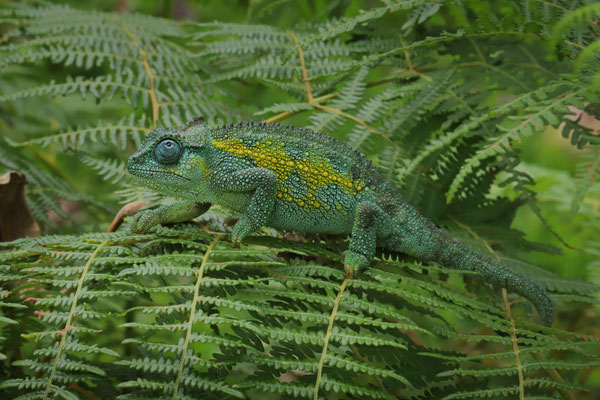
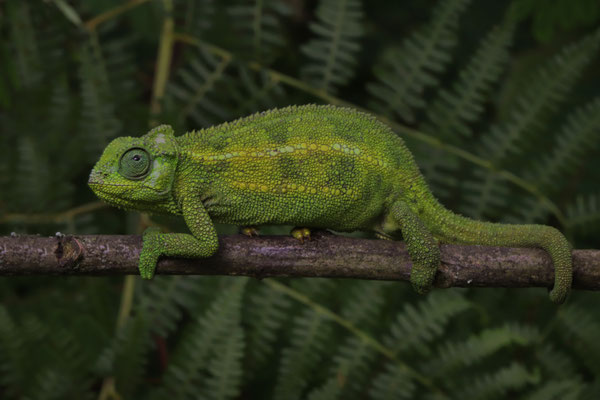
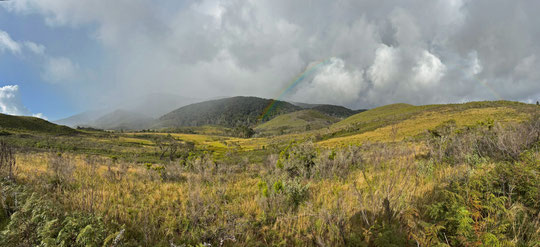
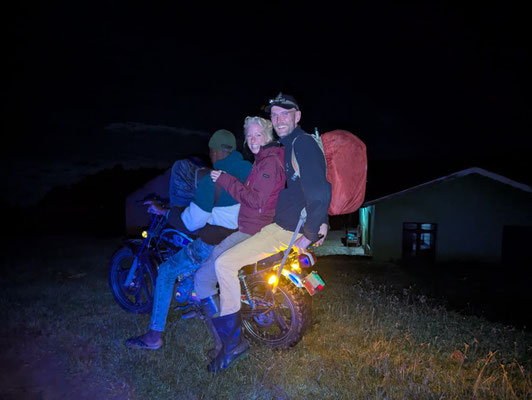
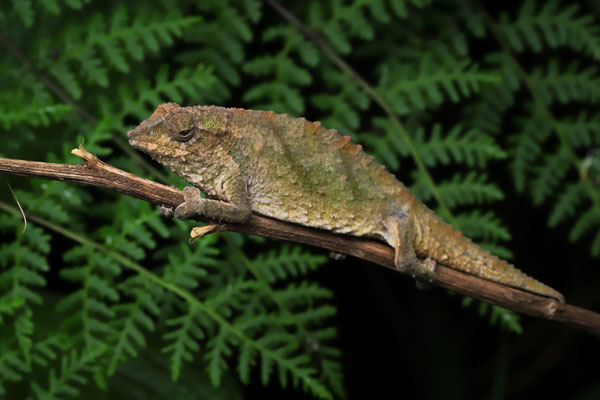
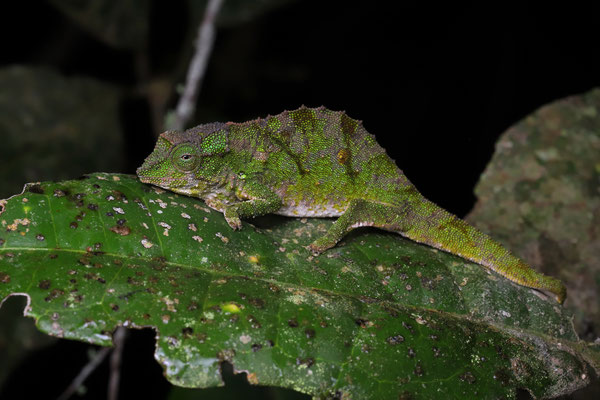
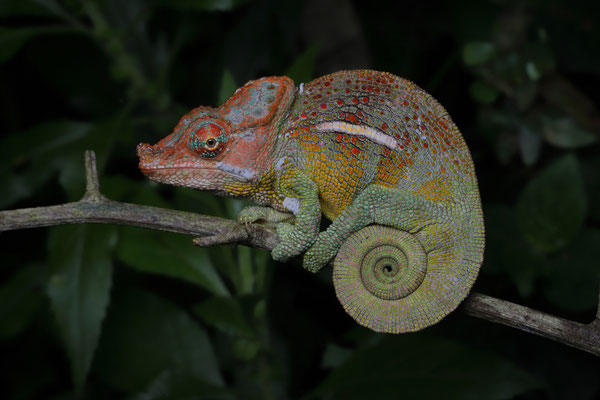
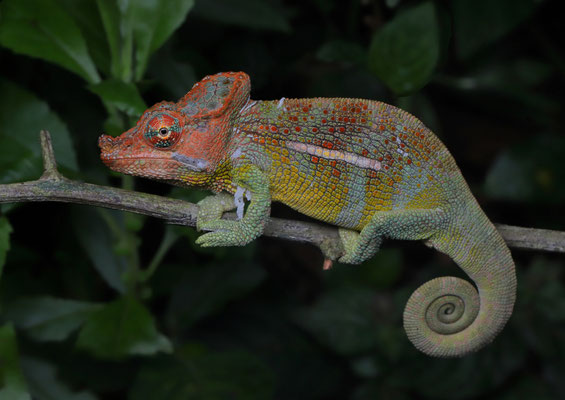
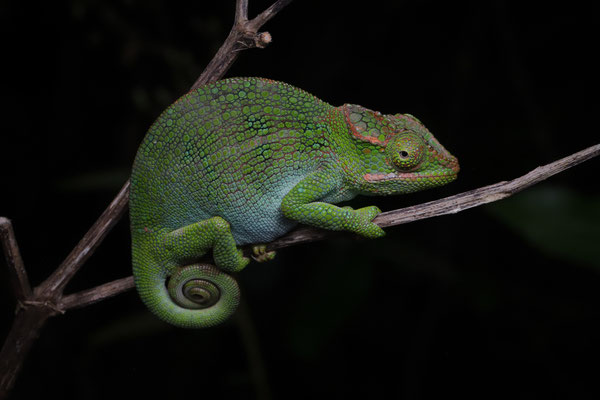
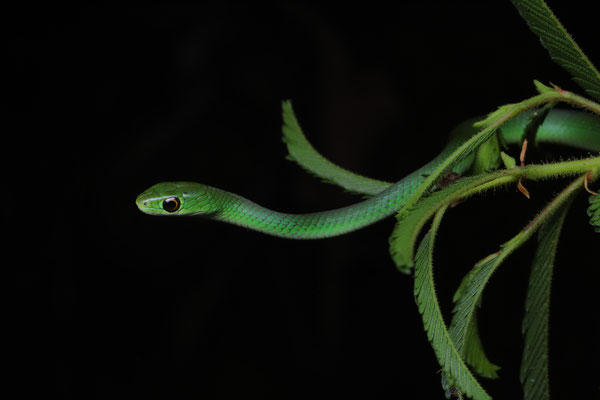
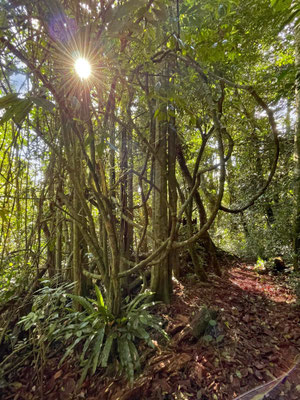
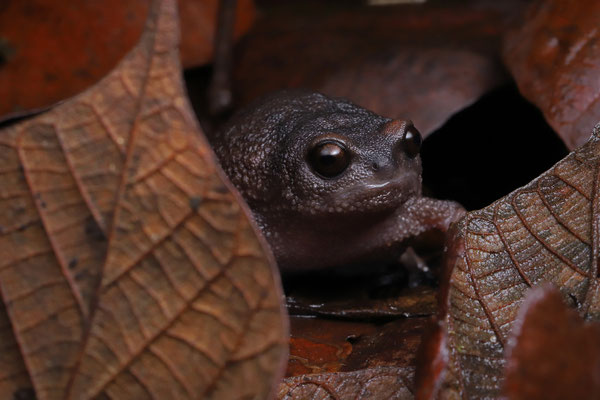
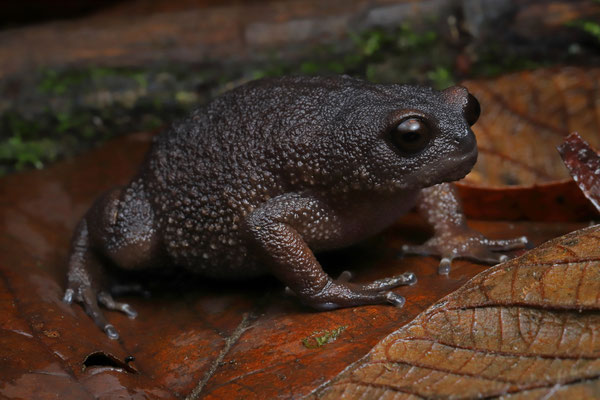
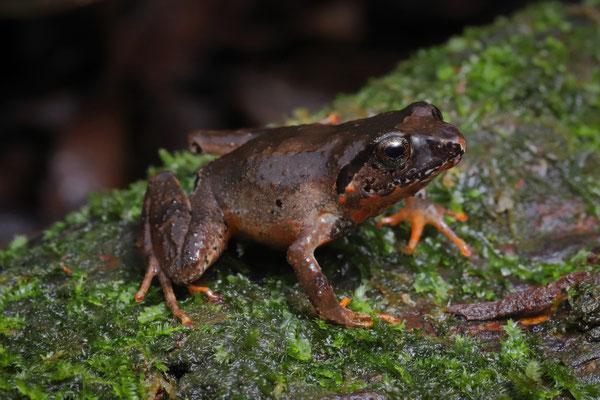
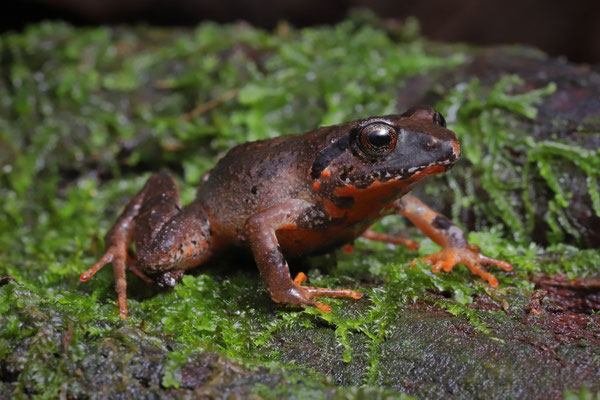
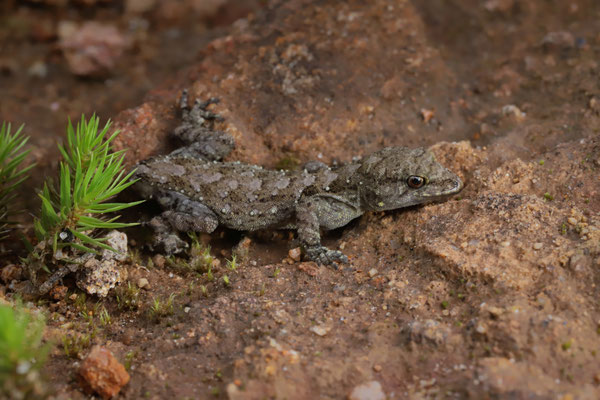
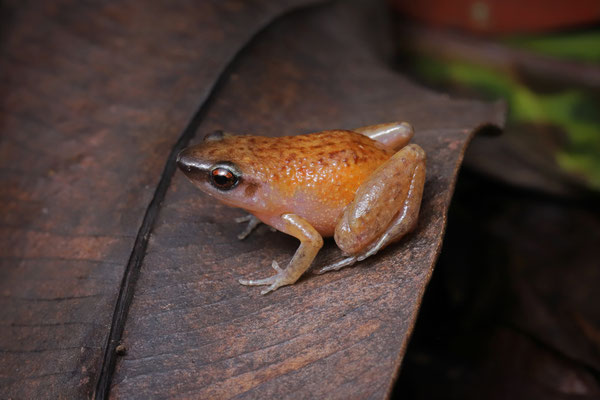
Home to several, not only endemic, but also gorgeous chameleons, the South Pare Mountains was high on my list of places to visit in Tanzania. Getting there is not easy as the road leading up to the higher villages is a steep and bumpy one again. We didn’t really know what to expect, but we were delighted to find out there is even a single guesthouse in the village. We had beds, relatively warm showers and some lovely food. A good starting point for our forages into the mountains! Sadly, all the submontane forests are as good as gone and only on the highest elevations there is some forest left. The roads do get increasingly bad though, so we had to arrange a local torture method called pikipikis (motorbikes). These managed to bring us as close to the remaining forests as possible, but boy, did we feel completely wrecked afterwards. Bouncing on metal bars, clinging on for dear life was not as much fun as it sounds. But exploring these forests was fantastic. On the first night we explored a rather disturbed and tiny forest patch, but it delivered. We first spotted Kilimanjaro Two-horned Chameleons (Kinyongia cf. tavetana) in the hedgerows before entering the forest, but once inside, the species composition changed. In the lower striata we spotted many Green Pygmy Chameleon (Rhampholeon viridis), while Hanang Hornless Chameleons (Kinyongia uthmoelleri artytor) were found perching high above our heads. The former species was my 100th chameleon species and the latter species was even more stunning than we thought. What a night! The next day we drove even higher up the mountain and our butts and backs were even more sore. But that couldn't spoil the fun as we found ourselves on a windswept plain with an untouched forest in sight. During the day it wasn't easy to find animals, but we managed to find a few highlights. Ferry found another Rhampholeon viridis and I found an Earless Squeaker (Arthroleptis anotis). On the forest floor I also spotted a dark shape making its way through the leaf litter and I really wasn't sure what I was looking at. It was something I didn't dare to find and it was a big and chunky Chome Forest Warty Frog (Callulina shengena)! On the way out we tried to find other chameleons living in the heather fields around the forest, but the rain caught up with us and we descended from the mountain. It was a wonderful place to explore and hopefully we will be back here some day.










Usambara Mountains
From the 28th until the 31st of March 2026
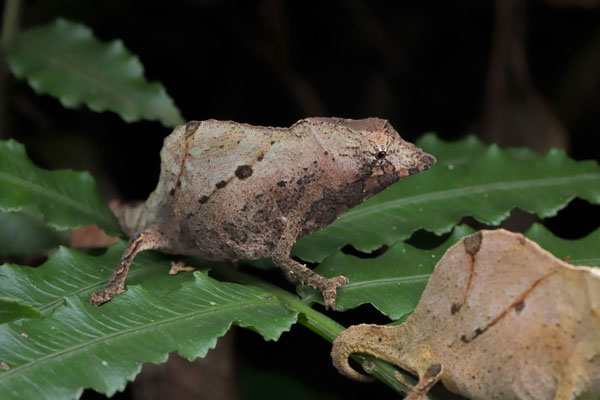
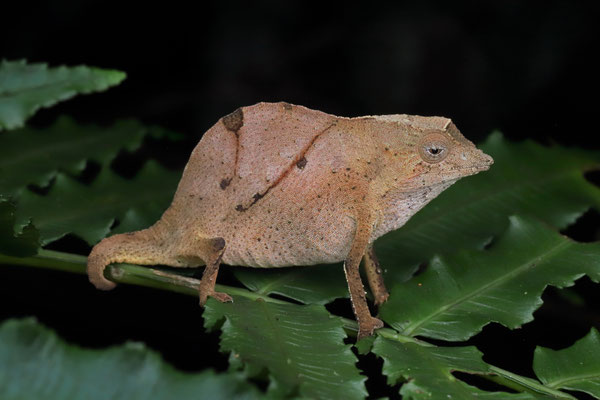
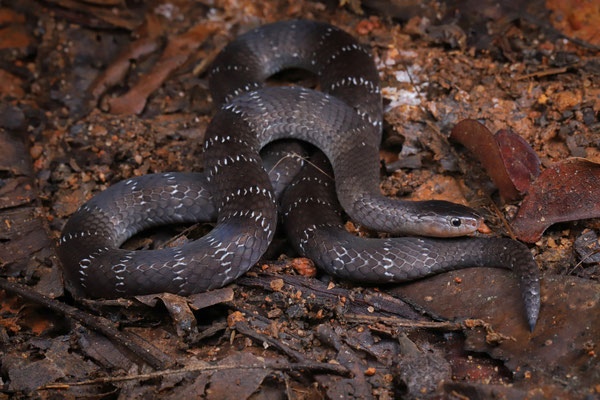
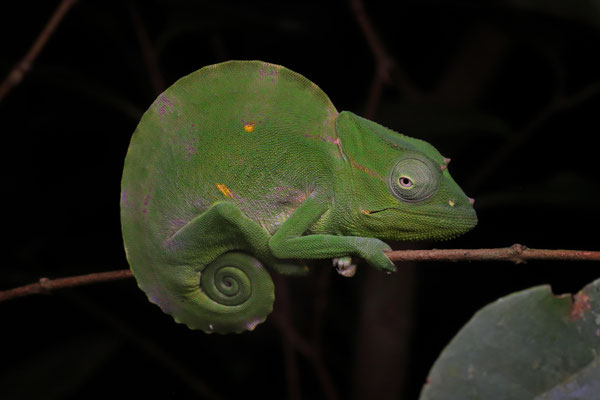
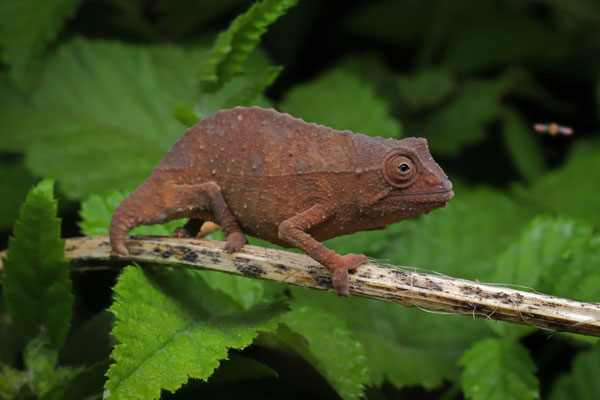
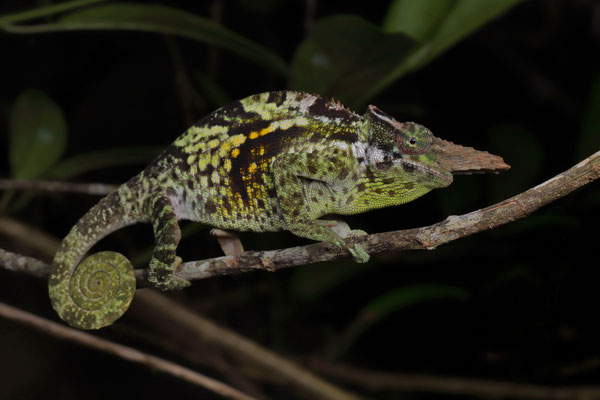
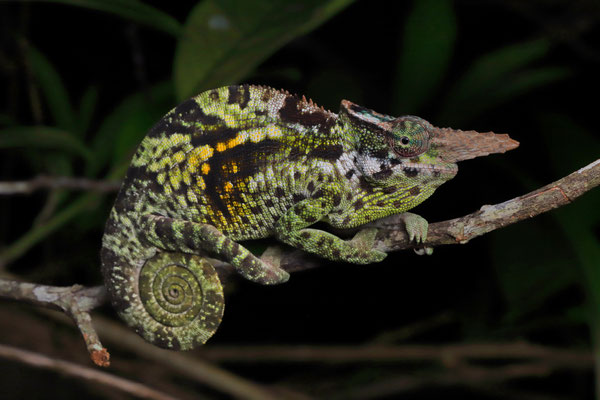
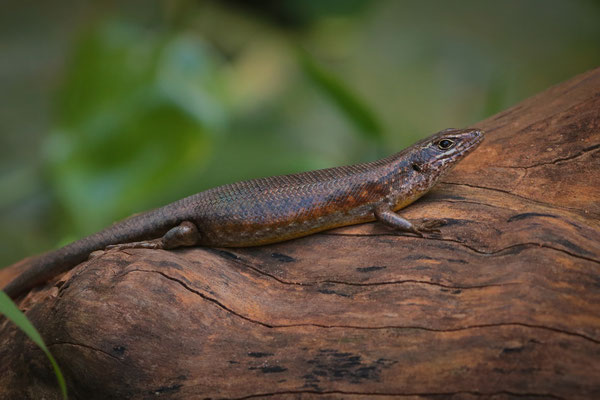
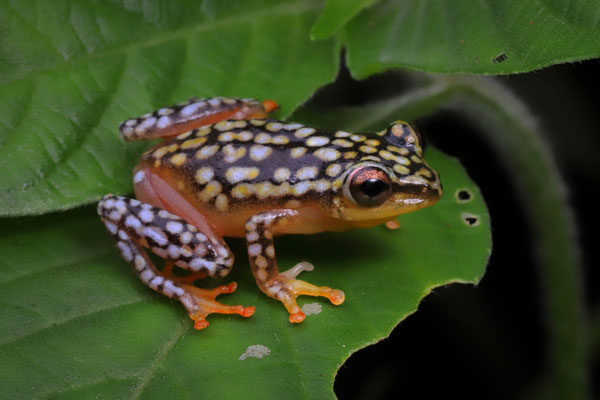
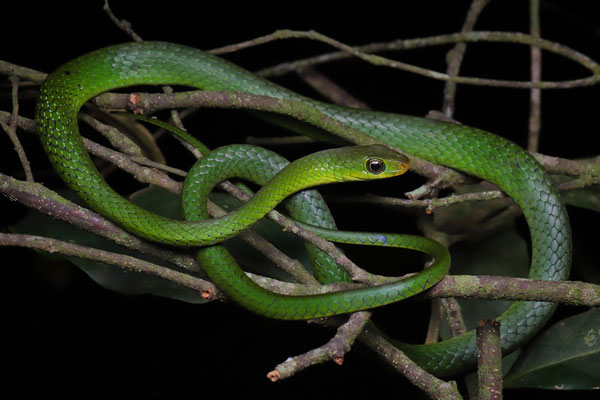
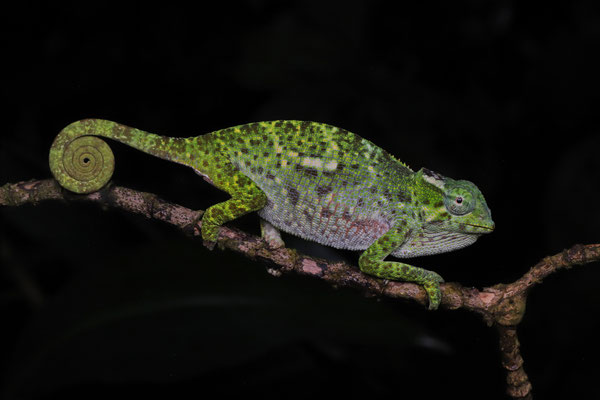
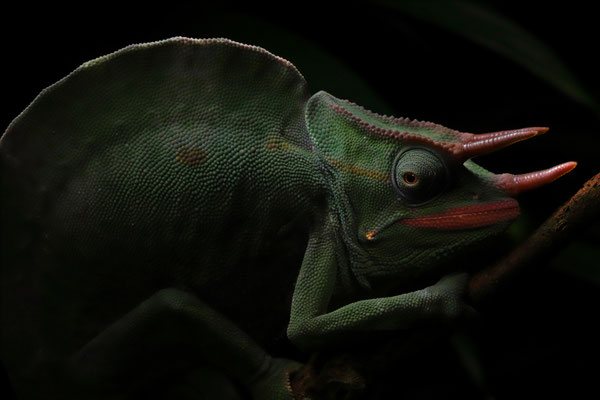
One of the hotspots of biodiversity in Tanzania are the Usambara Mountains. During our trip in 2022 we visited both the East and the West Usambara Mountains and saw almost all chameleon species. One species was missing however, and now we were back to try and find that one. We spent one night in the central part of the East Usambara Mountains and two nights a bit further west. Already on our first night we saw a bedazzling amount of species and every few meters we saw something interesting. Frogs were present in good numbers and we saw Callulina kreffti, Leptopelis flavomaculatus, Leptopelis uluguruensis, Leptopelis vermiculatus, Arthroleptis affinis, Arthroleptis stenodactylus, Arthroleptis xenodactylus, Afrixalus dorsimaculatus, Hyperolius substriatus and Phrynobatrachus natalensis. Where there are frogs, there are snakes and we saw Usambara Green Snake (Philothamnus macrops) and I spotted an Usambara Garter Snake (Elapsoidea nigra). And where there are snakes, there are Cape File Snakes (Limaformosa capensis). Ferry spotted a huge individual of these odd snake-eating snakes on the crawl which was a big highlight for us. And finally of course the chameleons. Inside the forest we saw multiple East Usambara Pygmy Chameleons (Rhampholeon temporalis), Usambara Soft-horned Chameleons (Kinyongia tenuis) and Usambara Three-horned Chameleon (Trioceros deremensis). Our new friend Mwera took us to a place to see Bearded Pygmy Chameleon (Rieppeleon brevicaudatus) and low and behold, also an Usambara Two-horned Chameleon (Kinyongia vosseleri) turned up! My final Usambaran chameleon and the ending to a wonderful night! The next morning we did a morning search for lizard and found Holaspis laevis, Agama montana, Trachylepis maculilabris and finally also an East African Spiny-tailed Lizard (Cordylus tropidosternum) basking next to the path.
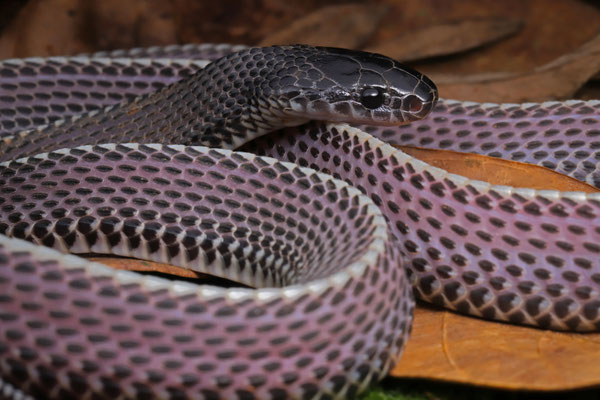
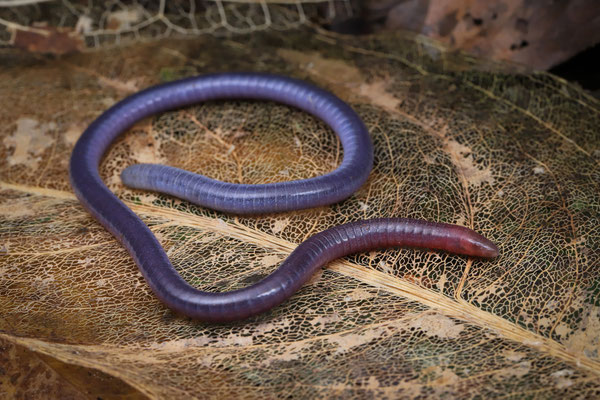
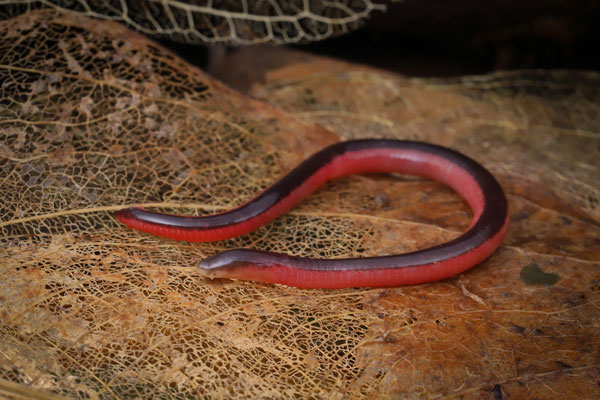
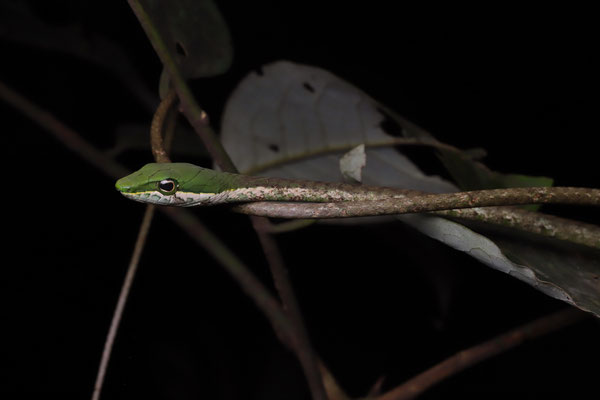
The next two nights we could enjoy a bit more luxury with hot (instead of cold) bucket showers and some of the best food we had in Tanzania. Laura even found a complimentary skink in her bed, one which was quite comfortable being sat on. In general, the herping was a bit slower though, with mostly the same species, but we still saw some icons of these mountains such as Usambara Vine Snake (Thelotornis usambaricus) and multiple Usambara Bluish-grey Caecilian (Boulengerula boulengeri) and a single Banded Caecilian (Scolecomorphus vittatus) all found by Ferry. We were surprised to see that the chameleons we struggled to find last time (tenuis & vosseleri), were now sort of common, where two other species now were the tricky ones to find (matschiei & spinosus). But the Usambaras definitely delivered again and it won't be my last visit here. What a wonderful place!






















Nguru Mountains
From the 31st of March until the 5th of April 2026
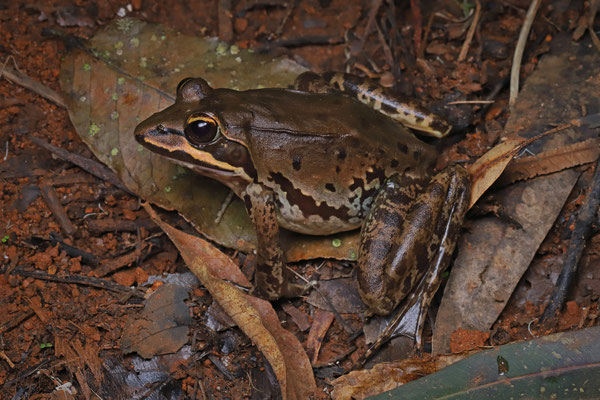
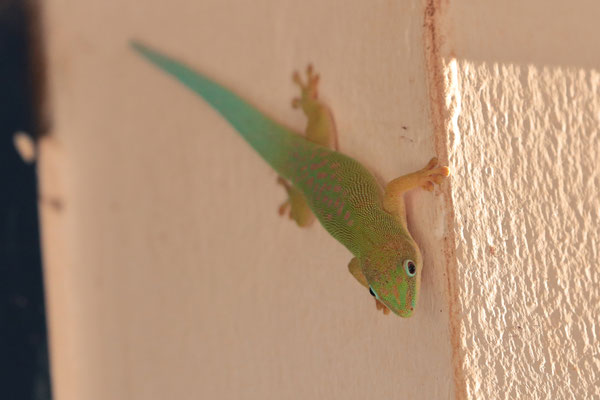
The main course of our time in Tanzania was the Nguru Mountains. Situated between the Usambaras to the north and the Udzungwa Mountains to the south, the herpetofauna of this mountain range is an odd mix of species between both mountains and on top of that, boosts a high number of interesting endemics. Getting here is not easy and requires a lot of driving over unpaved, muddy roads. We had to break the drive in half and decided to stop for one night in Morogoro. Although we visited the same garden as in 2022 to look for the incredible Meller’s Chameleons, we didn’t get to see them this time. Ferry talked to the gardener and we were sad to learn that someone came by to collect the chameleons. We only found a single Chamaeleo dilepis. The garden was still full of life though, and the trees were full of Fruitbats while White-bellied Hedgehogs roamed the grassy fields. We saw Ptychadena nilotica, Sclerophrys gutturalis, Hemidactylus platycephalus, Lygodactylus picturatus and much to our suprise, plenty of Zanzibar Day Geckos (Phelsuma dubia). A small consolation price for missing out on seeing the giant chameleons...
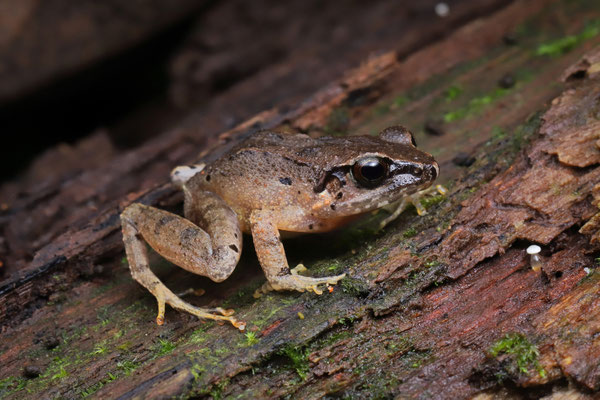
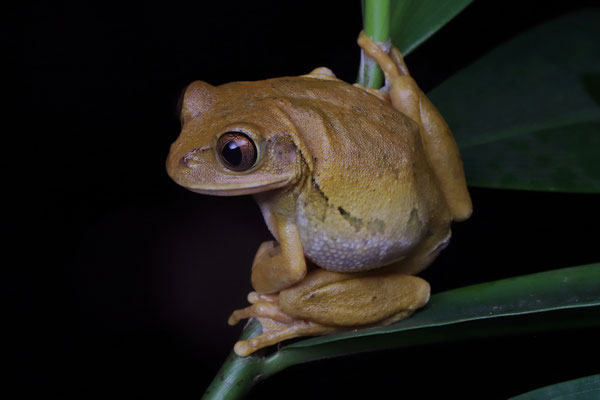
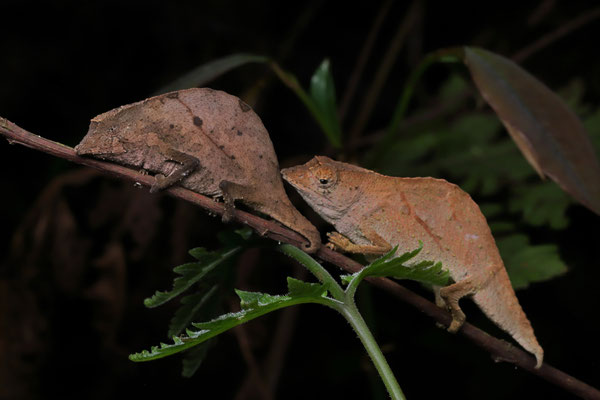
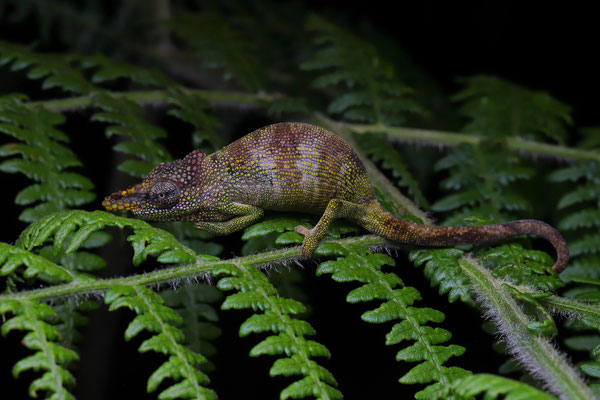
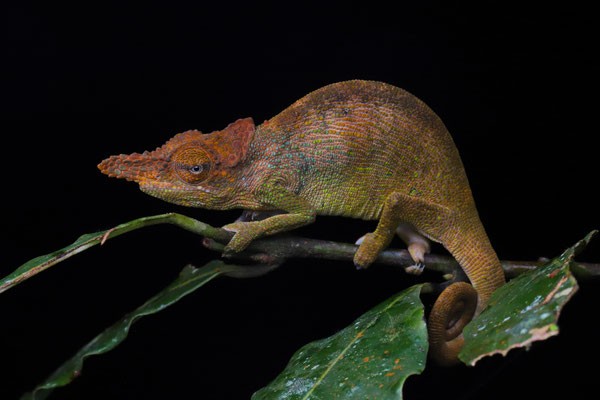
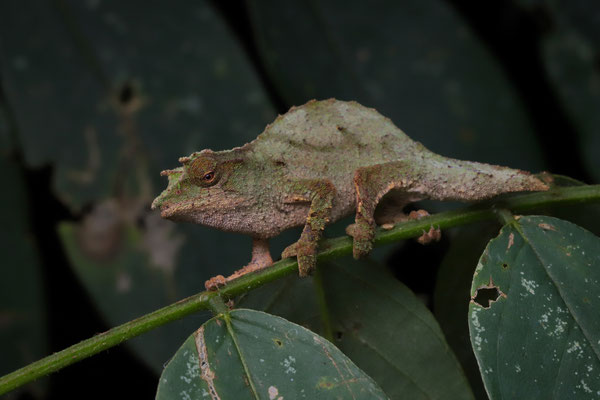
The next day we continued the drive over the bumpy roads and ended up in a tiny village as close to the forest as possible. Much to our surprise there was even a guesthouse with several rooms where we could sleep. The rooms were tiny, full of mosquitoes and smelling like old urine, but for €3 per night, we took it anyway! With every step there were new surprises waiting for us, and the local community provided quite the entertainment. From songs on repeat for the whole day, loud laundry sessions in the middle of the night in front of our window to the staff breaking into their own bar because of a lost key. Never a dull moment! The first night we arranged several piki-pikis again, and had a whole bike-gang driving up the steep slopes towards the forest edge. We saw many familiar faces again such as Leptopelis uluguruensis, Leptopelis flavomaculatus, Leptopelis vermiculatus, Afrixalus uluguruensis, Arthroleptis affinis, Philothamnus macrops, Rieppeleon brevicaudatus and Trioceros deremensis. But luckily also some new species turned up. Mirthe was on fire and spotted the first Uluguru One-horned Chameleon (Kinyongia oxyrhina) and just when we wanted to turn around also the first Nguru Two-horned Chameleon (Kinyongia fischeri). The second night delivered more of the same species, but finally Ferry also discovered a Wayne's Pygmy Chameleon (Rhampholeon waynelotteri) sleeping in the low vegetation.


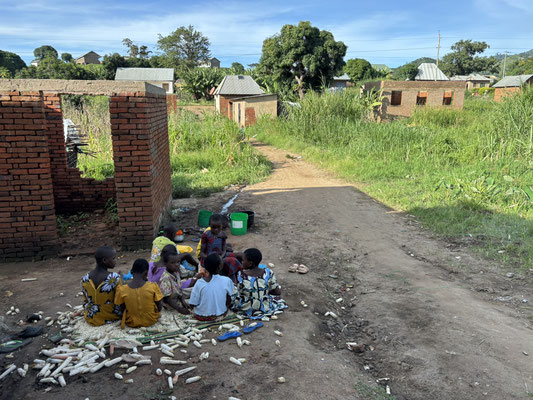


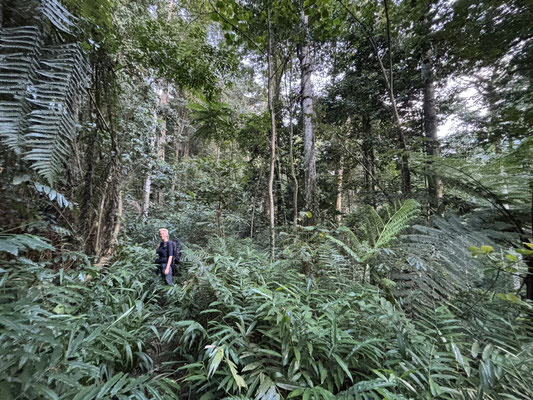
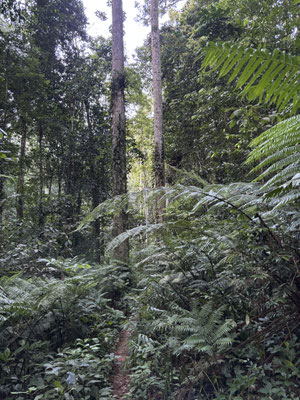

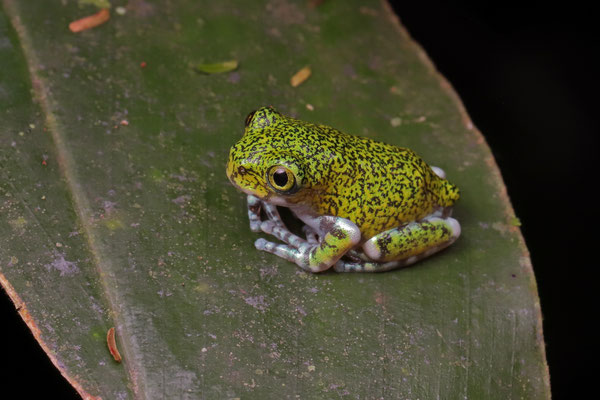

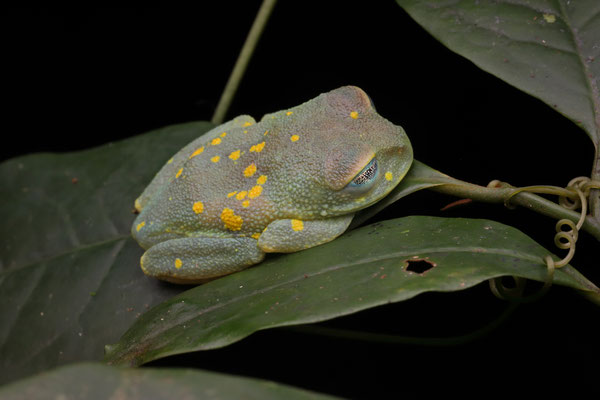
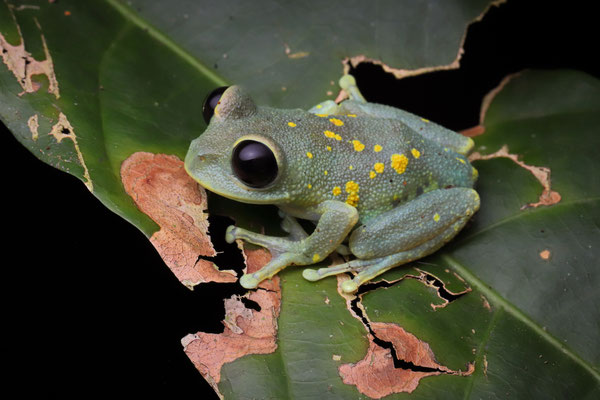
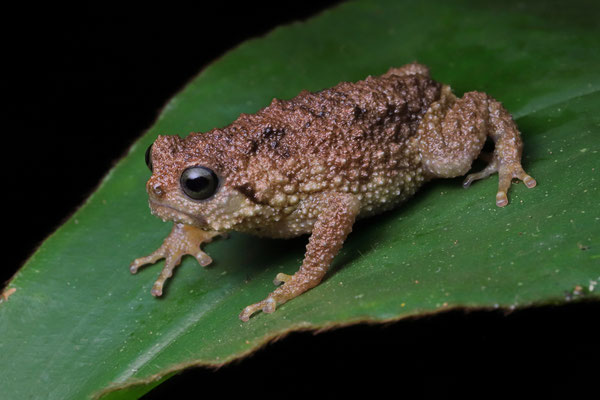
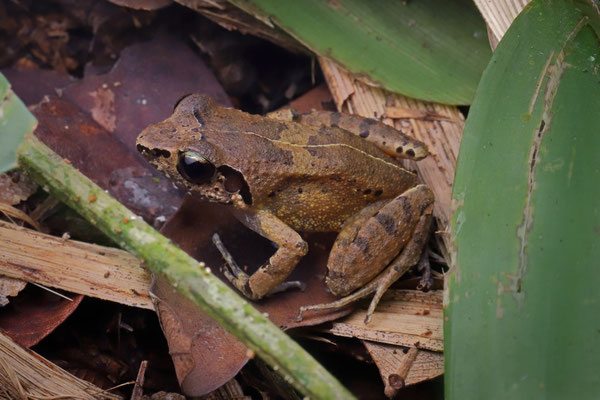
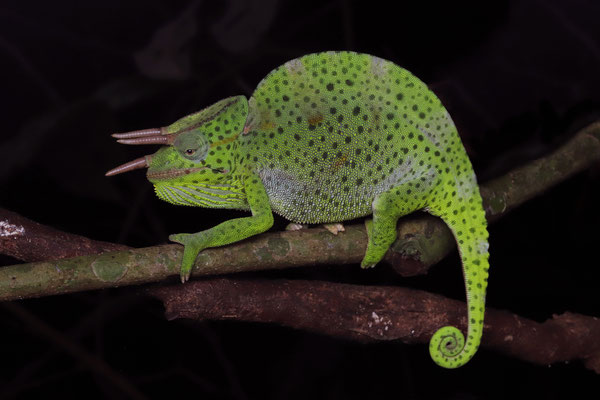

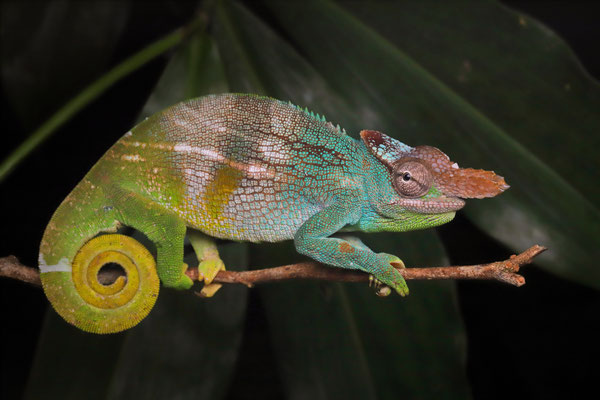

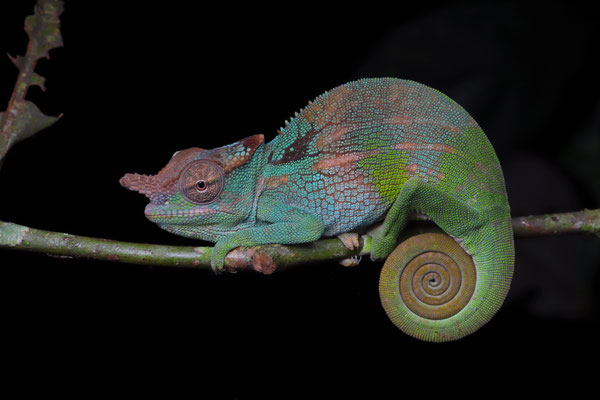


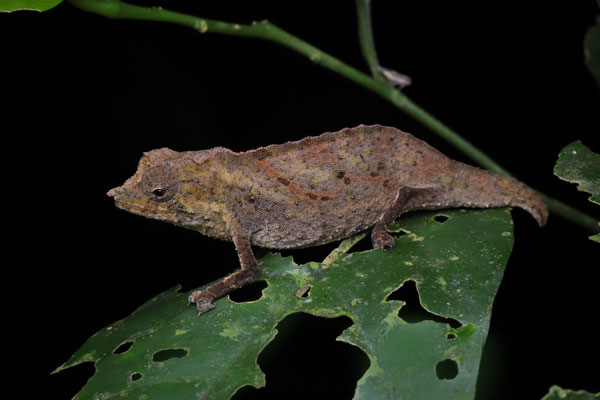

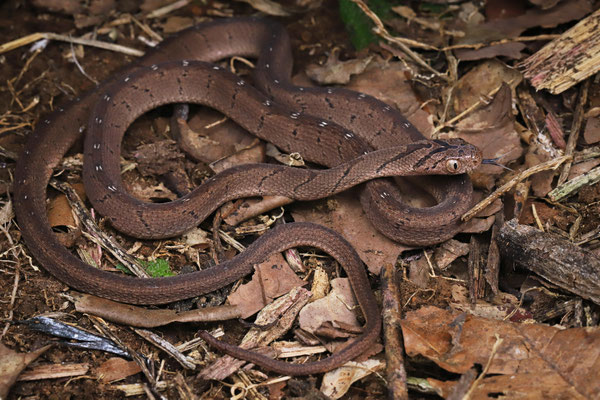


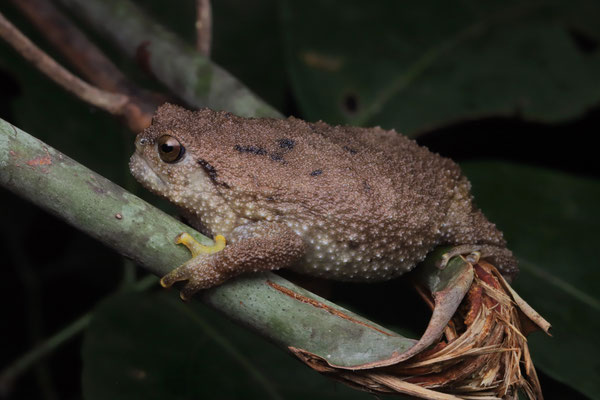
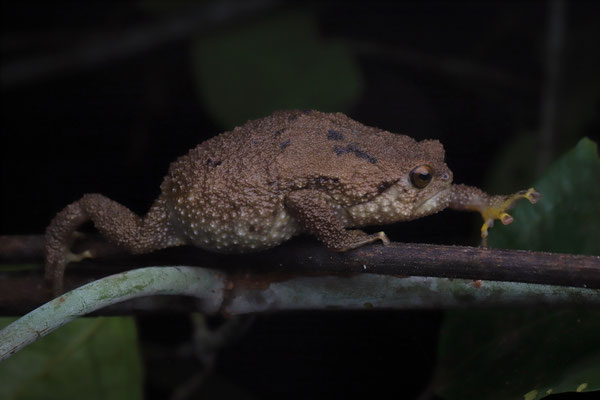
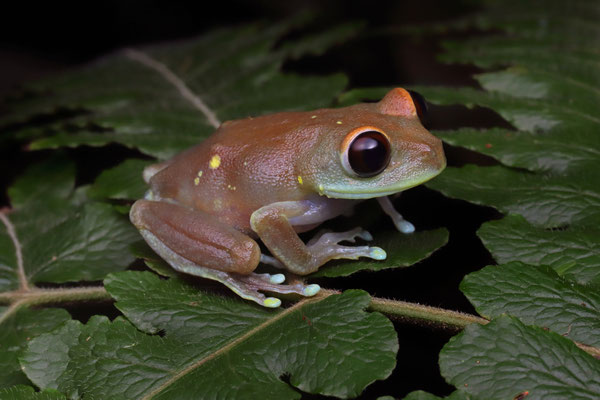
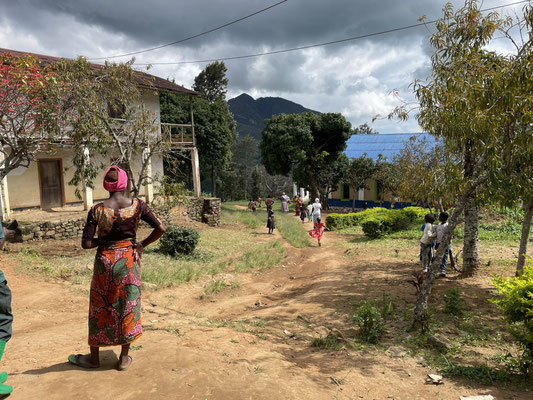
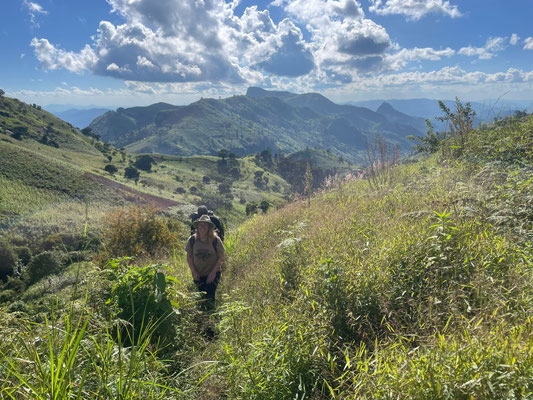
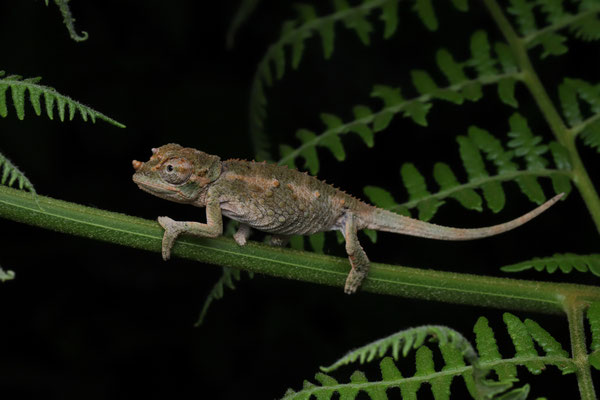
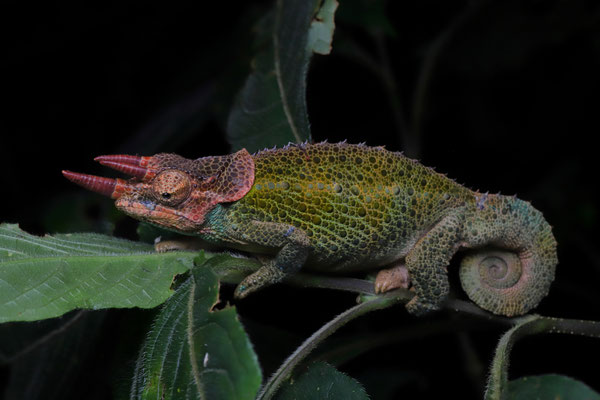
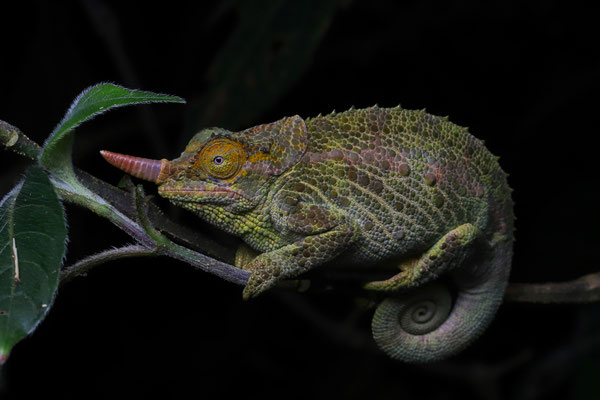
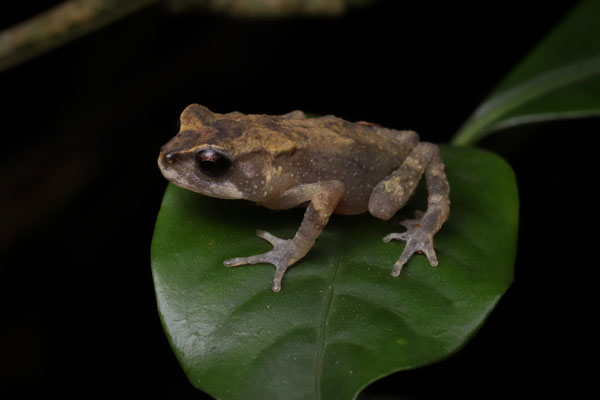
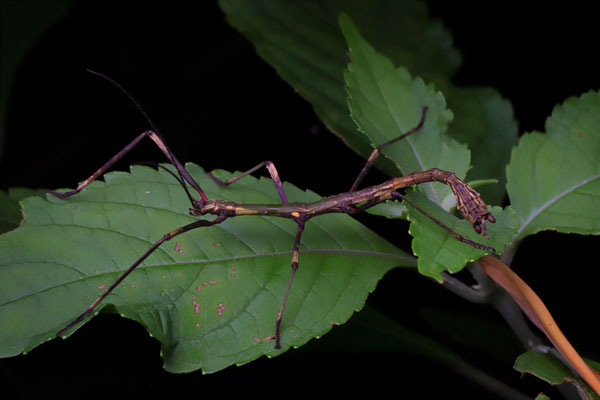
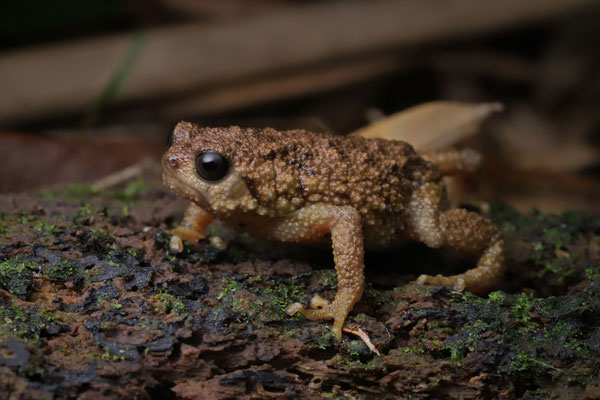
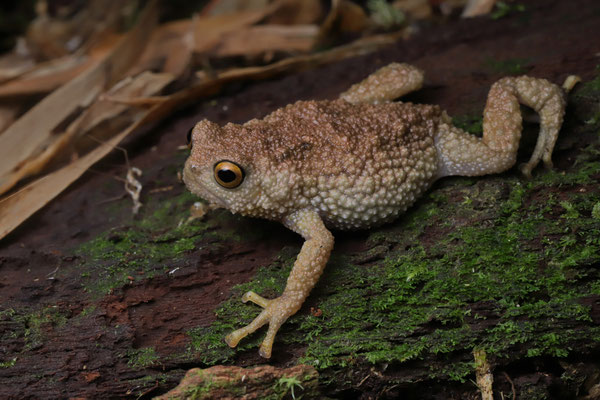
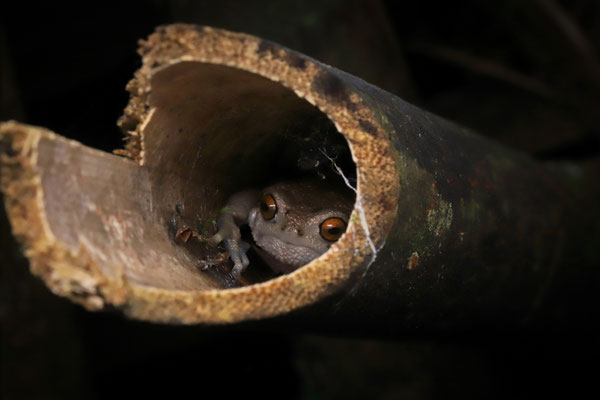
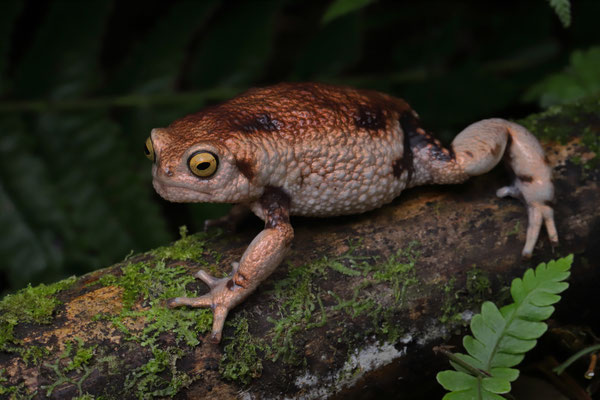
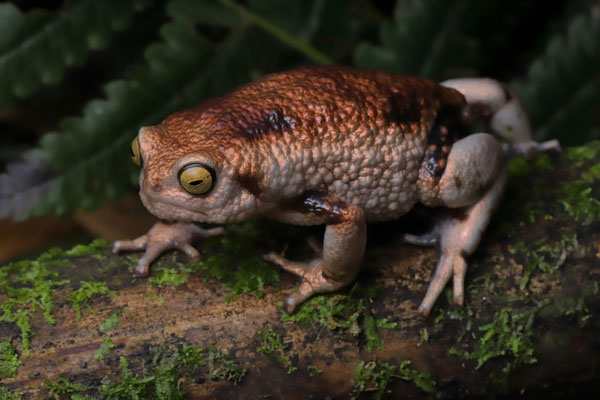
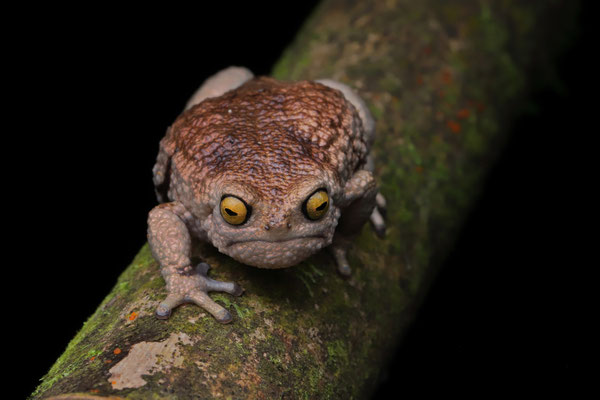
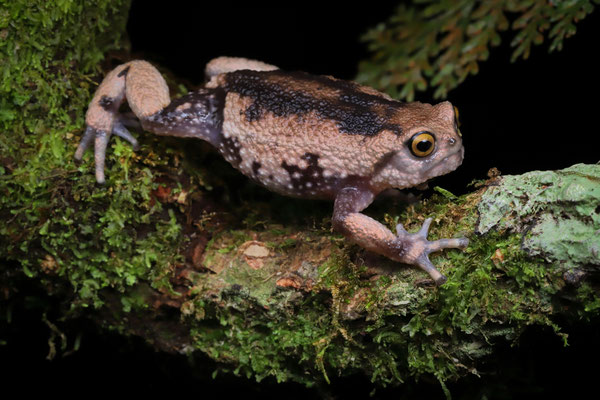
As two of our other main targets only occur at higher elevation, we moved locations for the next two nights. The next village wasn't far away as the turaco flies, but it either requires a long drive around the Ngurus on treacherous roads, or a multi-day trek through the forest. We opted for the former and hoped the rains would hold off as they would have rendered the already challenging roads impassable. It was indeed a stressful drive, but Mirthe navigated the Hillux over deep ruts, across rickety bridges and up the steep muddy slopes with great skill and without any fear. Well, maybe a little fear... When we finally arrived at the village we found ourselves at the great care of Father Tony and the sisters of the local church who found a place for us to sleep in the monastery. What a place to spend Easter! The inhabitants of the village are deeply pious, and on these days, women, men and children alike all flock to the small church next to the mission. Needless to say, the only thing that got more attention than the resurrection of Christ during these holidays, were the three wazungu (white people) arriving in town. On the first night we hiked up to the forest, through village and fields, across little streams and up the steep slopes. When we arrived at the forest edge we saw the habitat destruction that is going on and bit by bit, the forest is gnawed away to make place for more corn fields. We still saw some chameleons luckily. Again some Uluguru One-horned Chameleons (Kinyongia oxyrhina), high up in the canopy as always and the deremensis were replaced by Werner's Three-horned Chameleons (Trioceros werneri) at this locality. A little bit deeper inside the forest also the first Prince Ea's Pygmy Chameleons (Rhampholeon princeeai) showed up, as well as multiple Hansen's Warty Frogs (Callulina hanseni). When rain started to fall we had to turn around for safety reasons, but the next day we would be back. We left earlier in order to reach the highest elevations of the mountain range for a very special chameleon and a unique frog. At nightfall we reached one of the highest points, ate our chapati dinner and saw the forest become alive. One of the creatures that quickly turned up was our main frog target for the trip: the one and only Nguru Warty Frog (Callulina meteora). And what a frog it was! Named in reference to its mountaintop habitat, the species name roughly translates to “the thing high up”. Since meteors are, of course, things that actually fall from the sky, I also find it very fitting that Callulina meteora, too, looks as if it doesn’t quite belong on this Earth. With its large, monkey-like eyes and the metallic sheen to its skin, it has a distinctly otherworldly appearance that immediately sets it apart from any other frog we had seen before. We were in love! The one species that got away that night was the Nguru Spiny Chameleon (Rhampholeon acuminatus) - we don´t really have an explanation for this, as we were in the right habitat and kept on finding all the other species that are present there. And we certainly tried our best! This left us a bit sad - but never for long, as looking at the next Callulina meteora always seemed to have an instant uplifting effect on our moods. Herping these forests was something magical and it won't be our last time here hopefully!











Naivasha
From the 7th until the 9th of April 2026
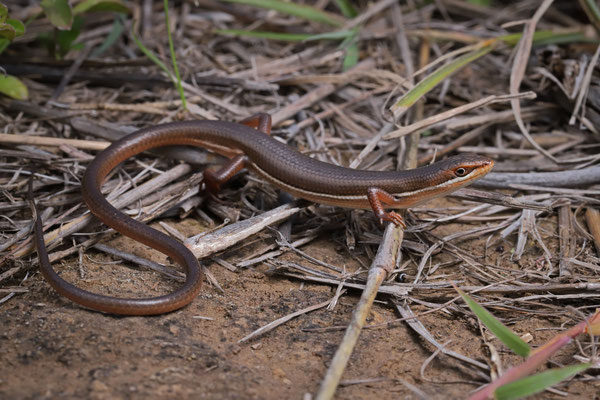
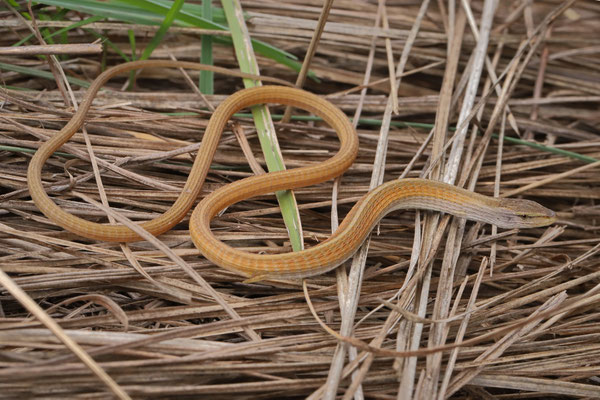
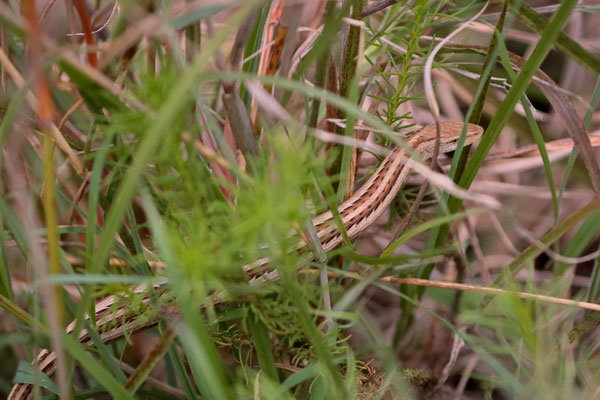
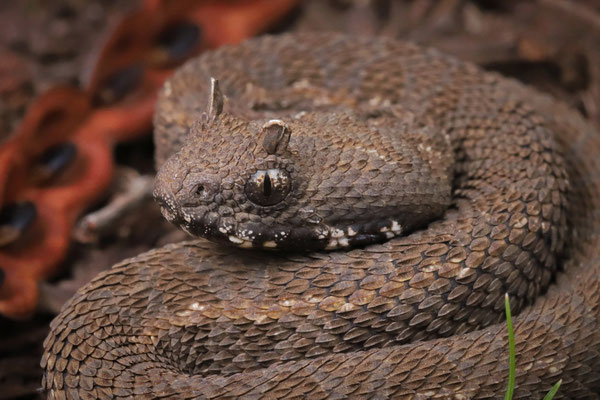
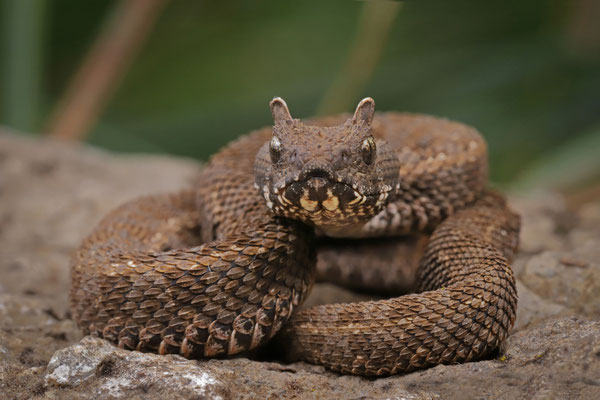
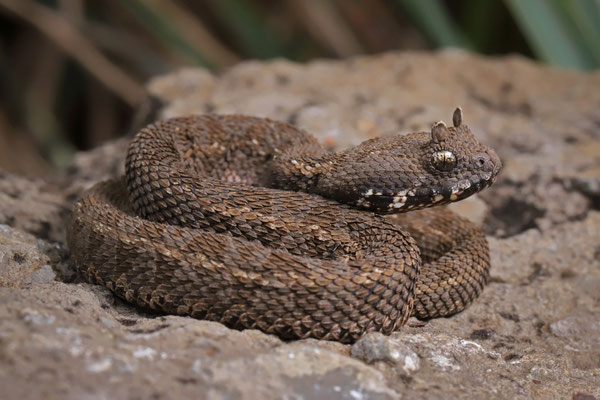
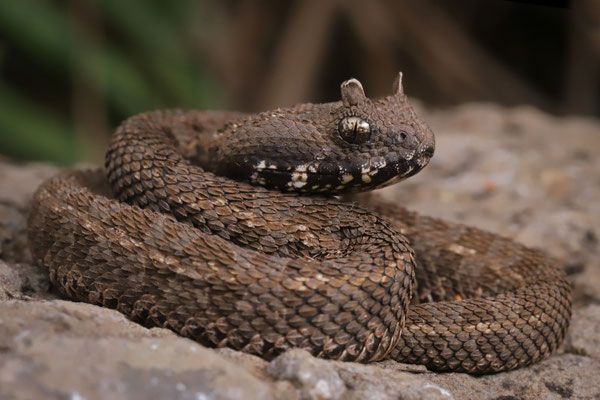
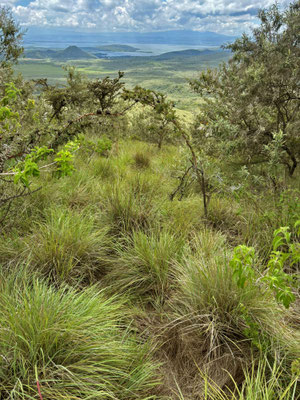
We had one more target up our sleeves. The third and last viper endemic to Kenya. Ferry is an EDGE fellow and knows the species and their habits better than anyone. And also how tricky it is to find them. During my last visit to Kenya we already searched for these tiny enigmatic vipers in vain, hence you can imagine that stakes were high and nerves were on edge! On the first day we explored a grassy ridge, high above the plains below. While giraffes, buffalo and zebra were grazing we searched for the smaller inhabitants of these high altitude grasslands. Between the grass we discovered multiple East African Highland Grass Lizards (Chamaesaura tenuior), Grass Skinks (Trachylepis megalura), Garman's Toad (Sclerophrys garmani) and Side-striped Chameleons (Trioceros bitaeniatus) while on the trees and poles we saw Blue-headed Tree Agamas (Acanthocercus gregorii) and Cape Dwarf Geckos (Lygodactylus capensis). But no sign yet of our viper target... We had a wonderful meal and enjoyed loads of wildlife from the car. Hippos, Warthogs and White-tailed Mongoose crossing the road and back at our cozy Bed & Breakfast we enjoyed the calls of Hyenas from bed. The next morning we were back at it when a call came in, the ranger who accompanied us the previous day found something interesting in the firewood. We rushed over to his house (not nervous at all of course) and before we knew it, we were looking at a tiny Kenya Horned Viper (Bitis worthingtoni). Incredible to finally see this species in the wild! The juveniles of this species don't have the characteristic horns yet, and instead sport scaly flaps above the eyes which are quite reminiscent of bunny-ears. Absolutely adorable! The rest of the day we tried to find more individuals of this emblematic species, but the small juvenile would remain our only sighting. Nonetheless, we felt incredibly lucky to end our time in Africa like this!








Epilogue
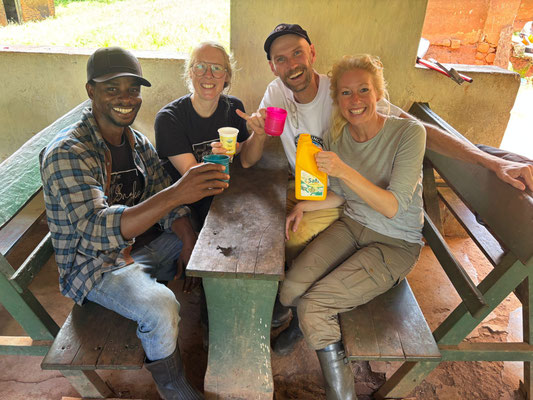
Once more East Africa, once more such an incredible herping experience. Where we usually plan all our trips meticulously, this time we decided to wing it in order to be more flexible and adapt to changing circumstances. We didn't really know where we would sleep every night, nor where we would eat or what we could expect. Most of the places we visited, are places I have dreamed of visiting for a long time. But they are also well off the beaten track and finding information beforehand was tricky. We were prepared for camping and had a lot of emergency food with us. But as so often in Africa, it always turns out to be okay though. We found guesthouses in the most unexpected little villages, enjoyed warm meals and could arrange access to the forests locally. It wasn't always the most comfortable, but it all worked out wonderfully. The weather turned out to be on our side and the heavy rains prior to our trip finally diminished shortly after Laura and I arrived. The fuel shortages were a nuisance, but at least we always found a gas station that did have fuel. I can't thank our friends Ferry and Mirthe enough for helping with the organization of this trip. From navigating bureaucracy at the border to arranging motorbikes to bring us to the forest. From translating to driving, but most of all for the impressive, joyous and terrific company. I can't thank you enough!
Species
Usambara Bluish-grey Caecilian (Boulengerula boulengeri)
Banded Caecilian (Scolecomorphus vittatus)
Garman's Toad (Sclerophrys garmani)
Guttural Toad (Sclerophrys gutturalis)
Kerinyaga Toad (Sclerophrys kerinyagae)
Tornier's Forest Toad (Nectophrynoides tornieri)
Krefft's Warty Frog (Callulina kreffti)
Hansen's Warty Frog (Callulina hanseni)
Nguru Warty Frog (Callulina meteora)
Chome Forest Warty Frog (Callulina shengena)
Senegal Running Frog (Kassina senegalensis)
Spotted Spiny Reed Frog (Afrixalus dorsimaculatus)
Uluguru Spiny Reed Frog (Afrixalus uluguruensis)
Bladder Reed Frog (Hyperolius cystocandicans)
Peter's Reed Frog (Hyperolius glandicolor)
Mountain Reed Frog (Hyperolius montanus)
Mainland Reed Frog (Hyperolius substriatus)
Common Reed Frog (Hyperolius viridiflavus)
Yellow-spotted Tree Frog (Leptopelis flavomaculatus)
Uluguru Tree Frog (Leptopelis uluguruensis)
Vermiculated Tree Frog (Leptopelis vermiculatus)
Related Squeaker (Arthroleptis affinis)
Earless Squeaker (Arthroleptis anotis)
Long-fingered Squeaker (Arthroleptis stenodactylus)
Dwarf Squeaker (Arthroleptis xenodactyloides)
Kenya Puddle Frog (Phrynobatrachus keniensis)
Natal Puddle Frog (Phrynobatrachus natalensis)
Plain Grass Frog (Ptychadena anchietae)
Nile Grass Frog (Ptychadena nilotica)
Nutt's River Frog (Amietia nutti)
Amani River Frog (Amietia tenuoplicata)
Northern Clawed Frog (Xenopus borealis)
Common Clawed Frog (Xenopus laevis)
Speke's Hinged Tortoise (Kinixys spekii)
Blue-headed Tree Agama (Acanthocercus gregorii)
Dodoma Rock Agama (Agama dodomae)
Kenyan Rock Agama (Agama lionotus)
Montane Rock Agama (Agama montana)
East African Highland Grass Lizard (Chamaesaura tenuior)
East African Spiny-tailed Lizard (Cordylus tropidosternum)
Flap-necked Chameleon (Chamaeleo dilepis)
Graceful Chameleon (Chamaeleo gracilis)
Prince Ea's Pygmy Chameleon (Rhampholeon princeeai)
East Usambara Pygmy Chameleon (Rhampholeon temporalis)
Green Pygmy Chameleon (Rhampholeon viridis)
Wayne's Pygmy Chameleon (Rhampholeon waynelotteri)
Bearded Pygmy Chameleon (Rieppeleon brevicaudatus)
Mount Kenya Hornless Chameleon (Kinyongia excubitor)
Nguru Two-horned Chameleon (Kinyongia fischeri)
Uluguru One-horned Chameleon (Kinyongia oxyrhina)
Kilimanjaro Two-horned Chameleon (Kinyongia tavetana)
Usambara Soft-horned Chameleon (Kinyongia tenuis)
Hanang Hornless Chameleon (Kinyongia uthmoelleri)
Usambara Two-horned Chameleon (Kinyongia vosseleri)
Side-striped Chameleon (Trioceros bitaeniatus)
Usambara Three-horned Chameleon (Trioceros deremensis)
High-casqued Chameleon (Trioceros hoehnelii)
Jackson's Three-horned Chameleon (Trioceros jacksonii)
Aberdare Mountains Chameleon (Trioceros kinangopensis)
Mount Kenya Side-striped Chameleon (Trioceros schubotzi)
Crater Highlands Side-striped Chameleon (Trioceros sternfeldi)
Werner's Three-horned Chameleon (Trioceros werneri)
Usambara Forest Gecko (Ancylodactylus africanus)
Tropical House Gecko (Hemidactylus mabouia)
Tree Gecko (Hemidactylus platycephalus)
Cape Dwarf Gecko (Lygodactylus capensis)
Yellow-headed Dwarf Gecko (Lygodactylus picturatus)
Zanzibar Day Gecko (Phelsuma dubia)
Mount Kenya Alpine Meadow Lizard (Adolfus alleni)
Kilimanjaro Forest Lizard (Adolfus kibonotensis)
Eastern Sawtail Tree Lizard (Holaspis laevis)
Alpine Meadow Skink (Trachylepis irregularis)
Speckle-lipped Skink (Trachylepis maculilabris)
Grass Skink (Trachylepis megalura)
Striped Skink (Trachylepis striata)
Variable Skink (Trachylepis varia)
Battersby's Green Snake (Philothamnus battersbyi)
Usambara Green Snake (Philothamnus macrops)
Speckled Green Snake (Philothamnus punctatus)
Usambara Vine Snake (Thelotornis usambaricus)
East African Egg Eater (Dasypeltis medici)
Cape File Snake (Limaformosa capensis)
Usambara Garter Snake (Elapsoidea nigra)
Mount Kenya Bush Viper (Atheris desaixi)
Kenya Horned Viper (Bitis worthingtoni)
Kenya Montane Viper (Montatheris hindii)
Many thanks to Chris Anderson, Matthieu Berroneau, Robin Gloor, Michele Menegon & Petr Necas.