 Amphibians and Reptiles
of Europe
Amphibians and Reptiles
of Europe
Malawi
From the 5th until the 16th of January 2026
Ten years ago I first set foot on Africal soil in Malawi. Long had I dreamed of seeing afrotropical forests and the big wildlife. During that trip I got to see my favourite chameleon species in the wild for the first time, and also experienced first hand how seasonality affects the herping. Visiting in the dry season was great for the big wildlife, but not so much for amphibians and reptiles. Ever since I was keen to go back in a better season to see several species I missed. Moreover, there is a rarely seen and enigmatic viper that lives around Lake Malawi. We tried our luck for this species in Tanzania, but Malawi itself seems to be the better place to see it. So together with our Danish friends Otto and Didrik we started our joined African adventure in Malawi.

The 5th of January 2026
Laura and I flew in from Johannesburg and found the welcome to Malawi already not very warm and welcoming. There is a visa procedure in place, we knew that before, but how this is enforced locally is very confusing and unnecessarily complicated. We had to stand in six different lines for stamps, forms and all sorts of nonsense before we could finally enter the country. While driving to our accommodation in Lilongwe, I also noticed that the population seemingly skyrocketed and with it the poverty. I didn’t see any people holding up their hands and beg for money or food last time, now that was a common sight. In the first shop we also saw the prices here which are double the prices you pay in Europe. Things have changed here…
Lake Malawi
From the 6th until the 10th of January 2026
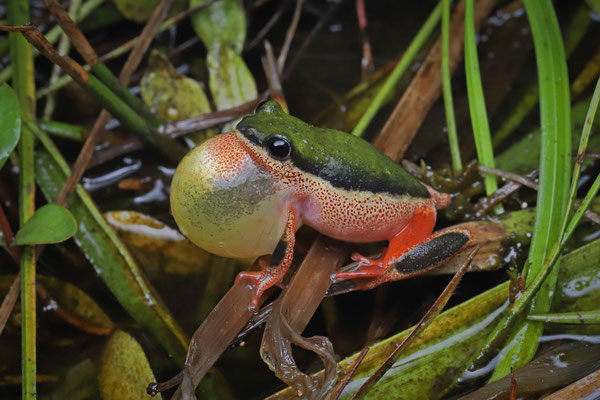
The next morning Otto and Didrik came in from Copenhagen and we drove towards Lake Malawi. During our first night we explored the surrounding rice fields and found the first amphibians such as Sclerophrys gutturalis, Ptychadena anchietae, Ptychadena oxyrhynchus, Xenopus muelleri and Hyperolius marginatus.
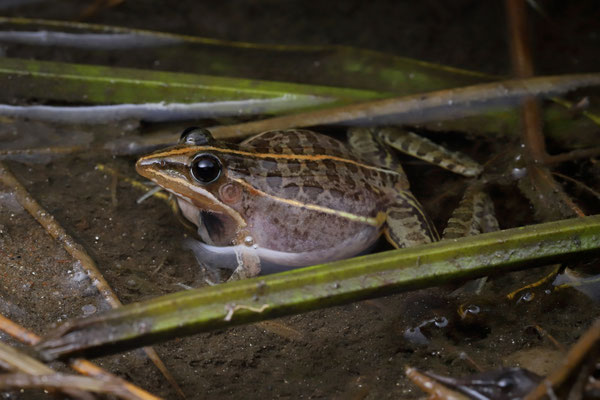
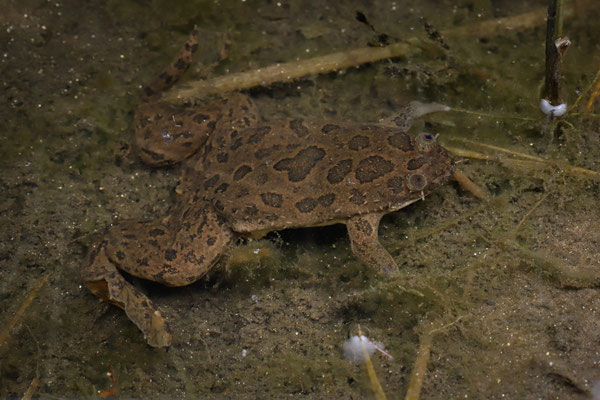
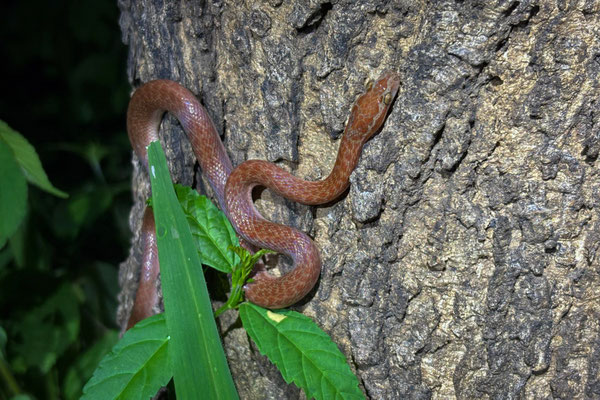
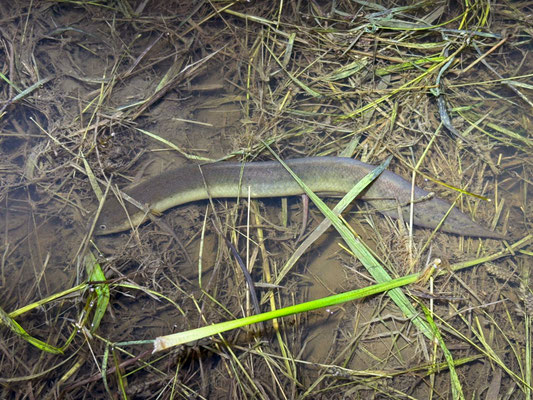
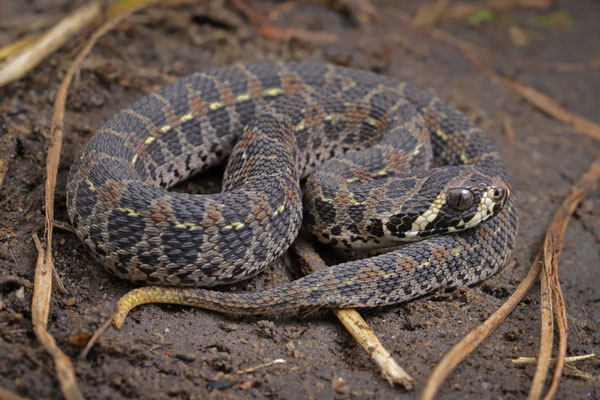
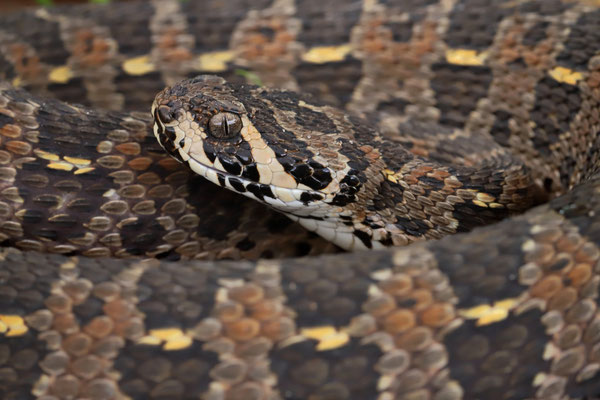
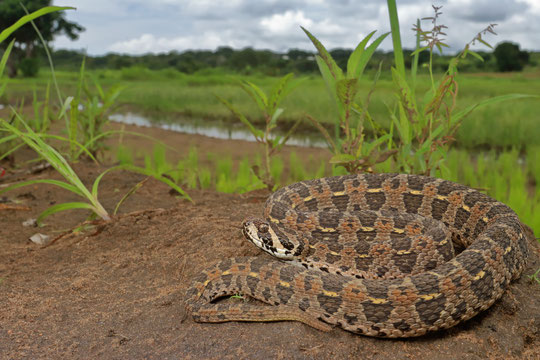
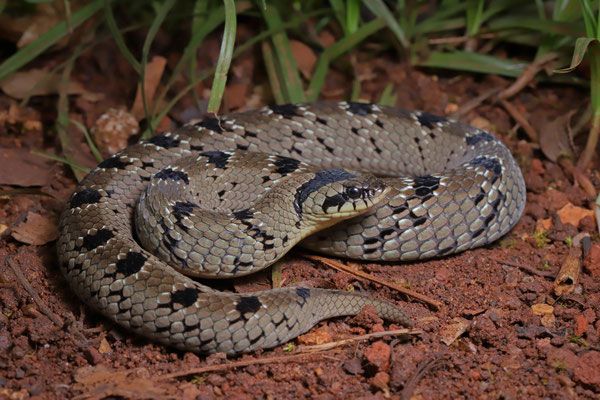
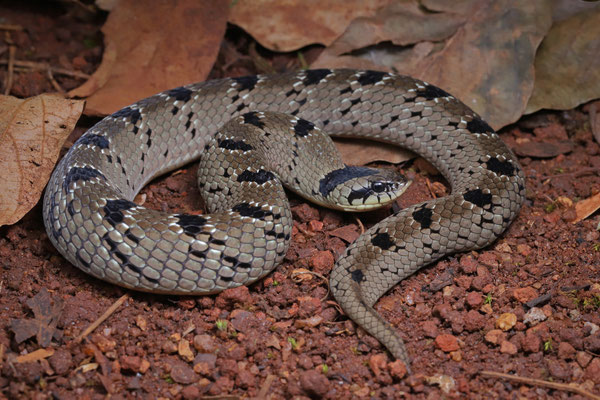
During the next two days we explored the floodplains in a nearby village. Here local people grow rice and often encounter the snake we were looking for. We were visiting in the middle of the rainy season and the floodplains were already full of water. The sun was beating down hard on us and we made many kilometers through the swamp. It was muddy, hot and humid and on our first attempt we didn’t find what we came for. At night we saw many amphibians such as Chiromantis xerampelina, Ptychadena anchietae, Ptychadena oxyrhynchus, Phrynobatrachus natalensis, Pyxicephalus edulis and Xenopus muelleri, but no sign of the snake. The next morning we returned and just when we hit the field a massive thunderstorm arrived. The heavens opened and we got soaking wet. We decided to wait it out back at the lodge, have some breakfast and come back when the conditions had improved. Again no luck… Later that morning the rains ceased and we returned for the fourth time and try it again. By now the locals all knew that we were looking for what they call Mphiri and not for long until we saw a group of people shouting and waving at us. We ran through the flooded fields and then there it was, a Lowland Swamp Viper (Proatheris superciliaris) which the local workers found under a mat of freshly cut vegetation. Unbelievable to finally lay eyes on this unique and bizarre little viper! We walked deeper into the floodplains where the fields are less heavily used, but where the water also got deeper. The recent rains caused the waterlevels to rise even higher. So kneedeep we were wading through the murky water and searching for snakes under freshly cut vegetation laying on the muddy dams. Together with the local workers we even found two more Proatheris superciliaris, Crotaphopeltis hotambouia, Psammophis orientalis and both a dead Meizodon semiornatus and Atractaspis bibronii.
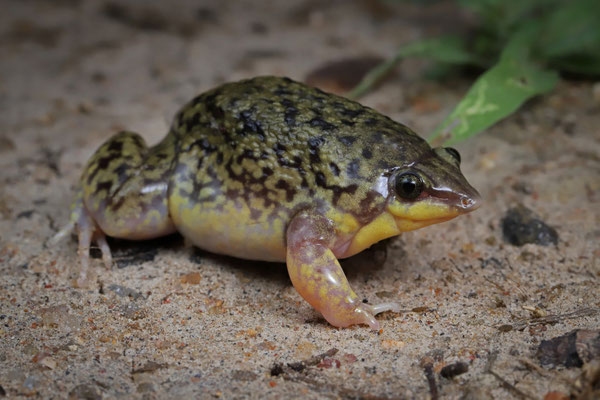
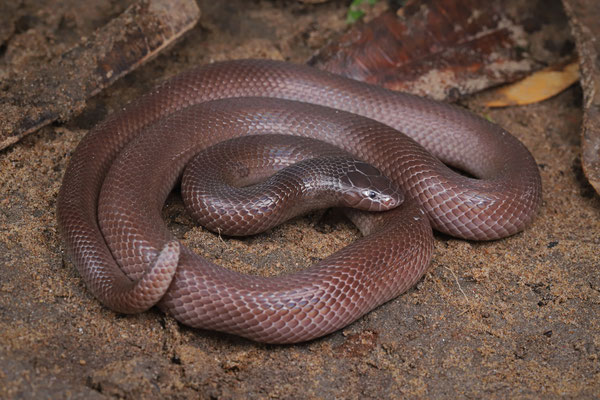
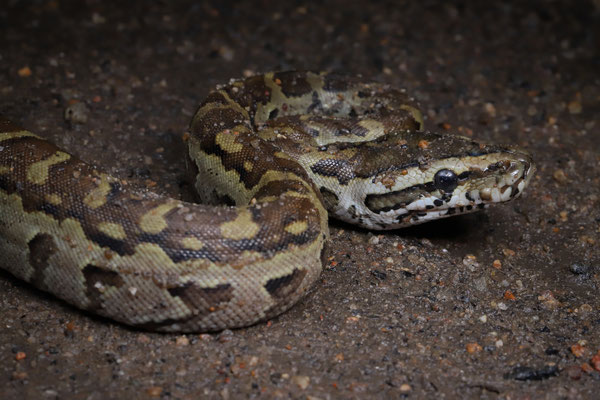
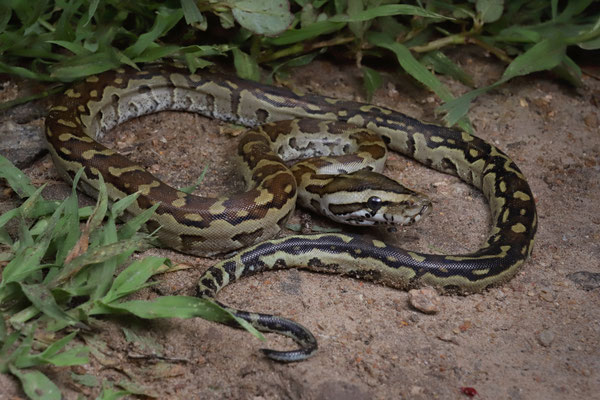
The last day we visited another place further south on the property of Joy and Pierre. Although we arrived unannounced, they welcomed us with open arms and cool drinks. It was great meeting them and we could search their property at night as well. The frogs were out and we saw Hemisus marmoratus, Phrynobatrachus natalensis, Hyperolius pusillus, Ptychadena anchietae and Xenopus muelleri. With the frogs also came the predators and we saw Crotaphopeltis hotambouia, Boaedon capensis, Atractaspis bibronii, two Southern Rock Pythons (Python natalensis) babies and finally a local worker found a big adult Lowland Swamp Viper (Proatheris superciliaris). A great ending to our time at Lake Malawi!







Mount Mulanje
From the 10th until the 15th of January 2026
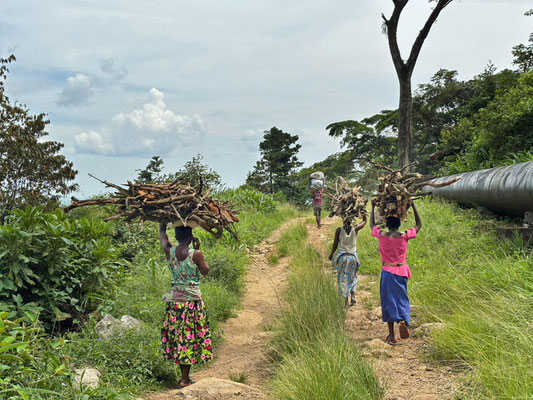
One of the places where I have always had such fond memories off, was this stunning mountain in the south of Malawi. Towering high above the surrounding landscape like a fortress, it is still such a sight to behold. But friends already warned me, be prepared because the forest is no longer there. They weren't lying and although I was mentally prepared for the worst, seeing the deforestation and sheer destruction first hand is something else. It left me close to tears. The Ruo Gorge was once home to one of the largest tracts of forest on the mountain. Via a small path one could enter the gorge and walk between the huge, ancient trees. Now it is a wasteland. An unpaved road leads into the gorge and endless rows of people carrying firewood and charcoal are coming down the mountain. The forest made way for smoldering piles of firewood, fields of corn and tea and hedgerows of exotic vegetation. Massive tree stumps are now the silent remainders of what once was and will probably never come back. It is truly a free for all and grab what you can, and all of that in a Unesco world heritage site. Appalling, sickening, saddening and it left me feeling powerless.


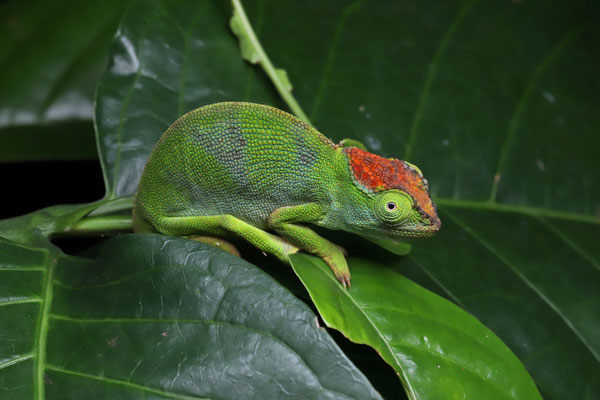
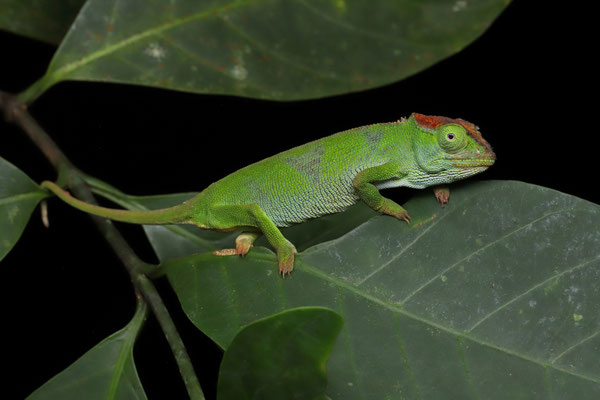
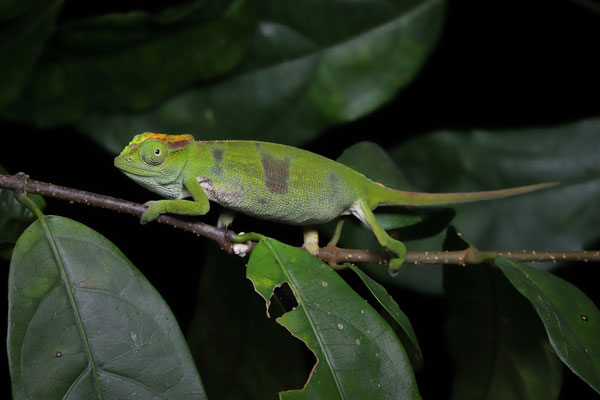
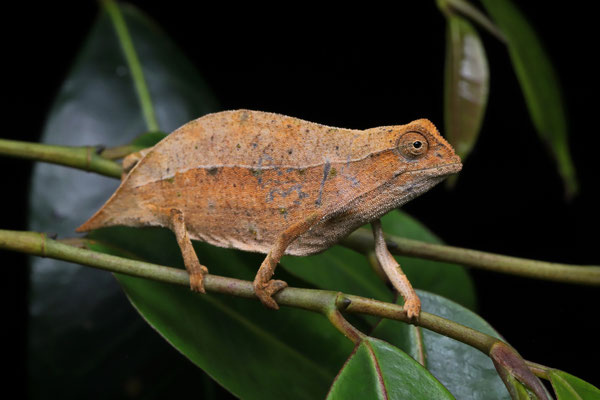
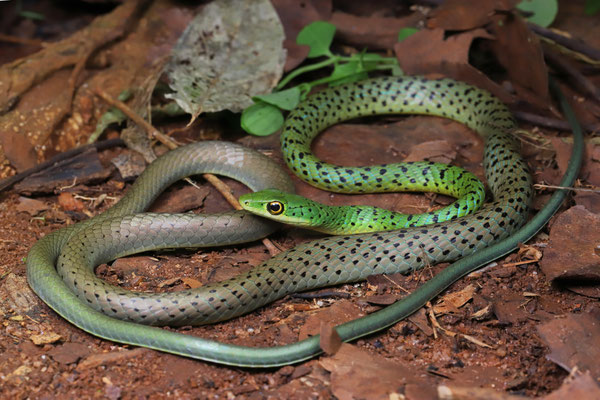
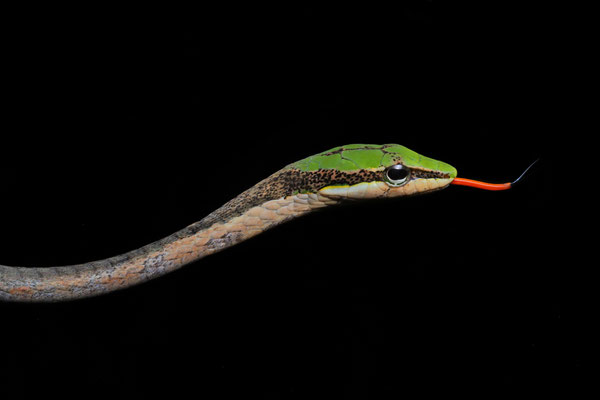
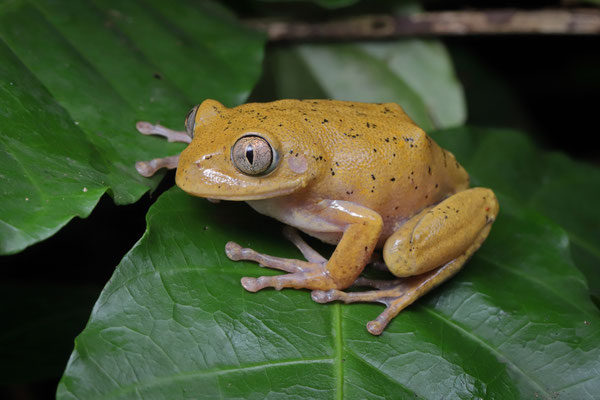
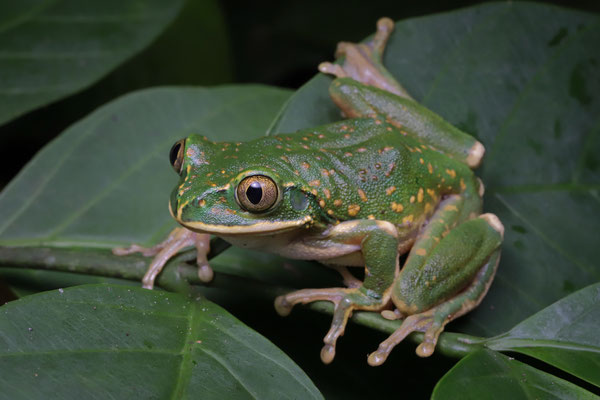
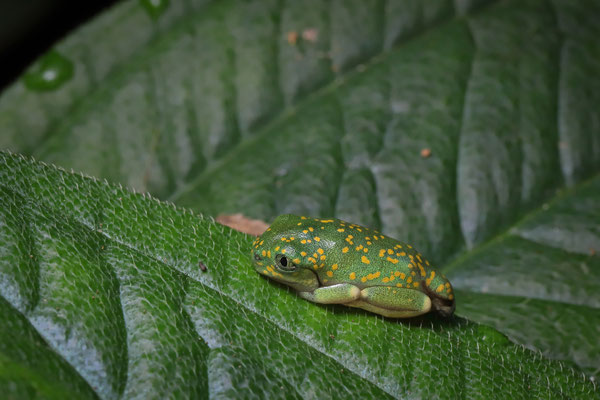
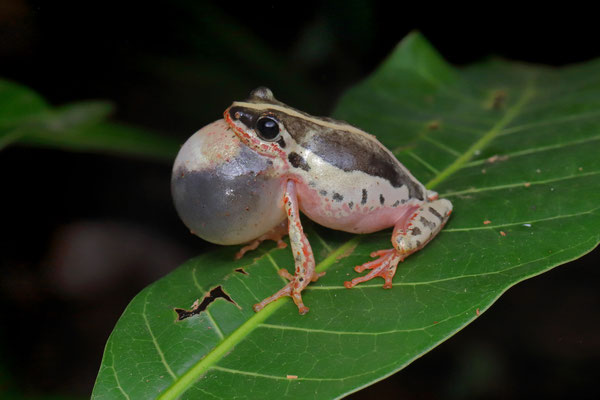
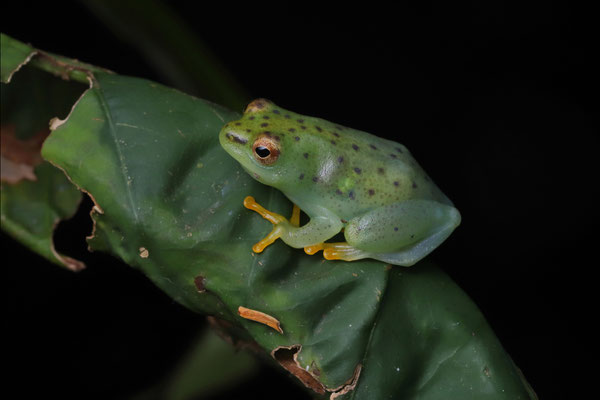
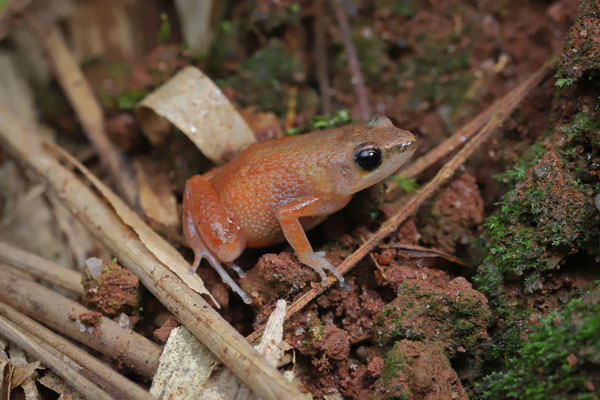
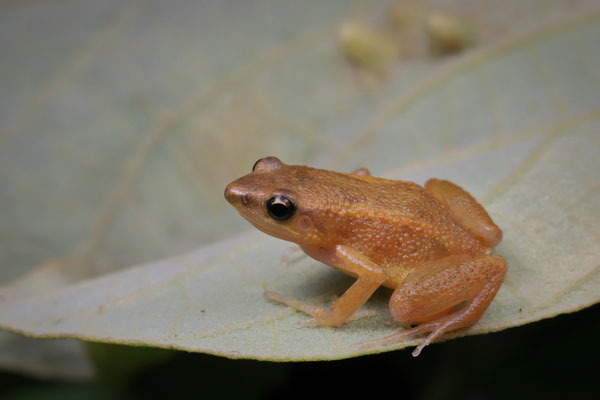
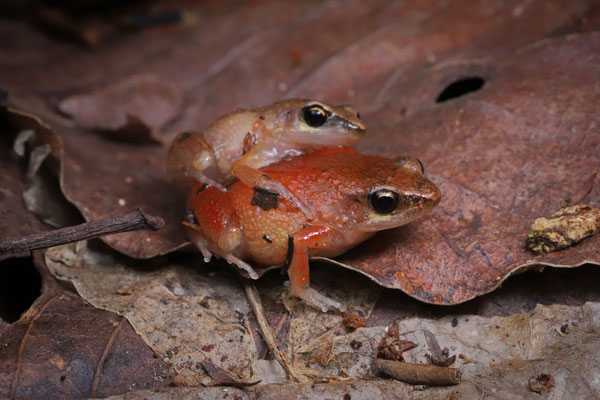
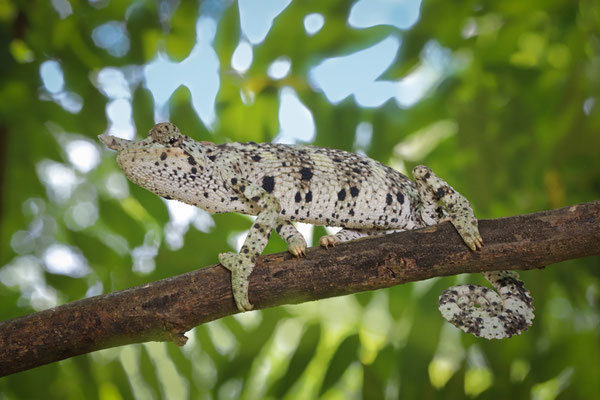
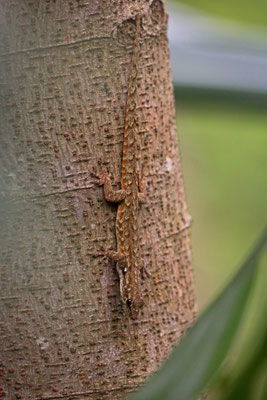
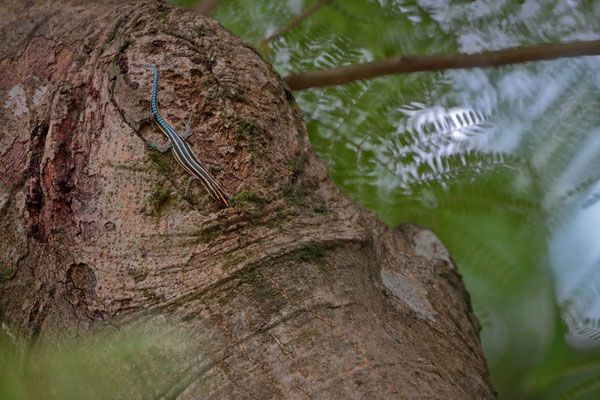
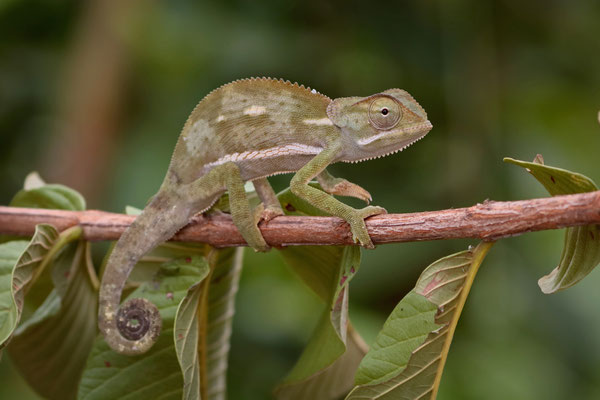
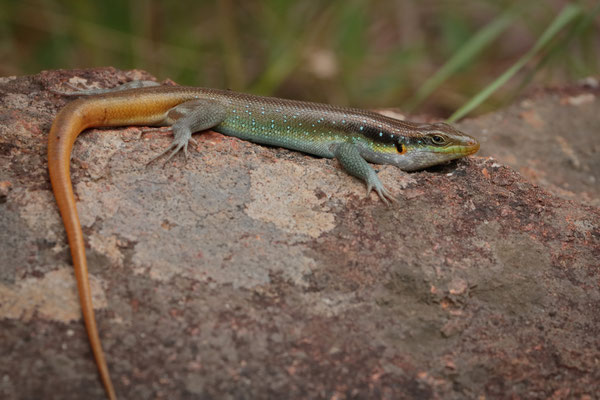
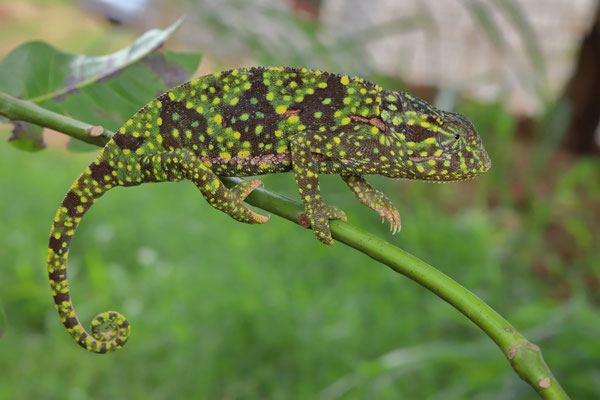
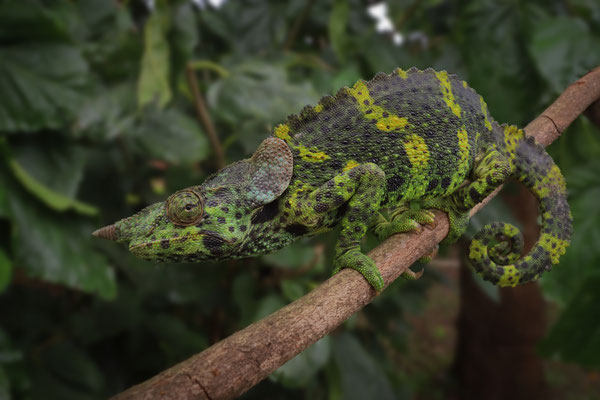
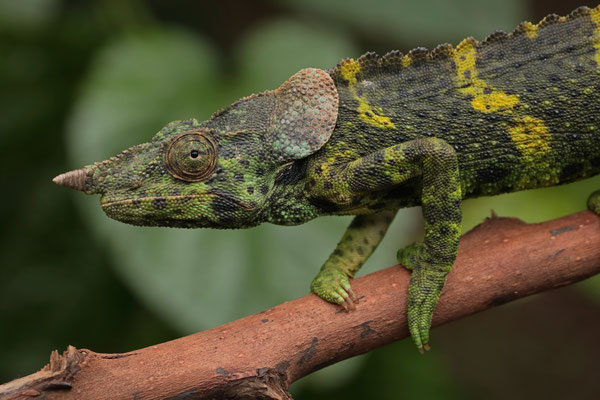
Lower down the mountain there are some forest patches in between the tea plantations where several species manage to survive. Already on our first night here Otto spotted our first Mulanje Chameleon (Nadzikambia mlanjensis) where Didrik found a Zomba Pygmy Chameleon (Rieppeleon brachyurus). Close to our accommodation I spotted a Meller's Chameleon (Trioceros melleri) very high in a tree, but luckily also a smaller individual showed up. Over the course of four nights here, we found multiple snakes such as Atractaspis bibronii, Crotaphopeltis hotambouia, Boaedon capensis, Philothamnus semivariegatus and Otto spotted an Eastern Vine Snake (Thelotornis mossambicanus) resting in the vegetation. Otto also spotted another snake highlight and found a small Nyassa File Snake (Gracililima nyassae) on the trail. Snake highlights were found close to the accommodation as well and just after breakfast one morning, a Snouted Night Adder (Causus defilippii) showed up. Many dams are dotted all over the tea plantations and these are home to a wide variety of amphibians such as Afrixalus fornasini, Afrixalus delicatus, Hyperolius marmoratus, Hyperolius substriatus, Hyperolius tuberilinguis, Phrynobatrachus natalensis and Xenopus muelleri. Other frogs prefer the interior of the forest and we found good numbers of Arthroleptis stenodactylus, Arthroleptis xenodactyloides, Leptopelis broadleyi and Leptopelis flavomaculatus. Solitary trees were interesting for lizards and we saw several Mulanje Giant Dwarf Geckos (Lygodactylus rex) and a single Eastern Blue-tailed Gliding Lizard (Holaspis laevis). On our last day in the area we drove to Likhubula and hike towards the waterfalls. We had a hard time shaking off the many guides that offer their services, but when we finally did, we had the whole area to ourselves. Much to our surprise this part of the mountain is seemingly well protected and we only saw few signs of logging. We enjoyed the waterfalls and the refreshing temperature of the water, but most of all the many Mulanje Flat Lizards (Platysaurus mitchelli) which were seen everywhere close to the water.
Overall we had a great time again in Mulanje, despite the incredibly sad state of the forest at the Ruo Gorge. We had a lovely place to stay as well and we had a whole house to ourselves. With the steep prices in the restaurants we cooked a few nights for ourselves and enjoyed Didrik's BBC (beans, beans, chakalaka).

























Blantyre
From the 15th until the 16th of January 2026
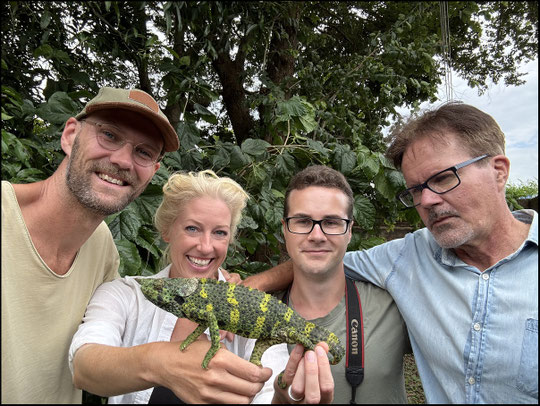
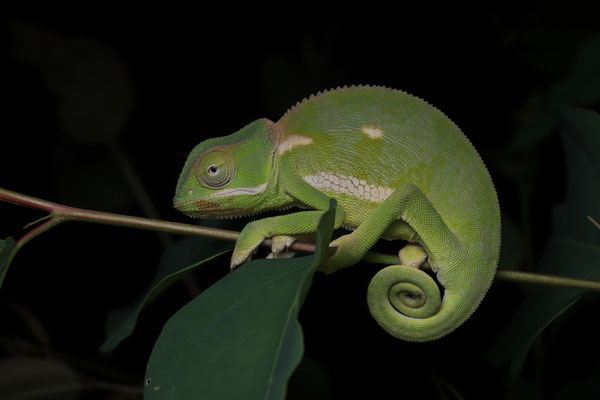
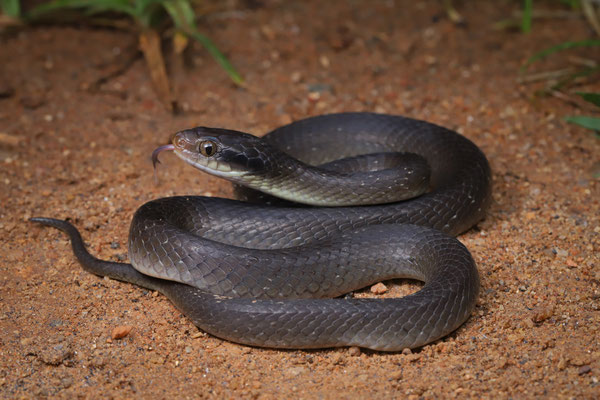
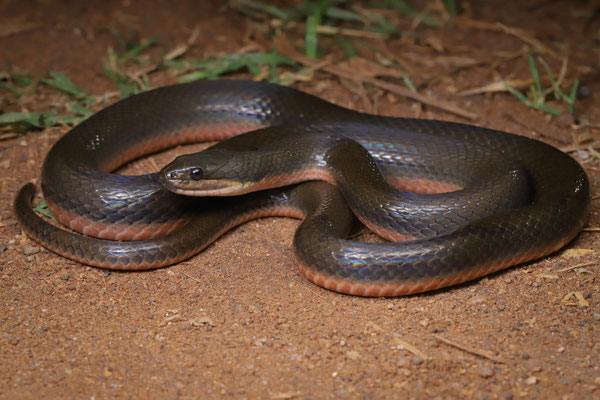
Our last night in Malawi we spent in Blantyre. We had a nice accommodation with lots of green spaces in the surroundings which turned out to be very interesting at night. After a last dinner at the Kips we did a small round and found Afrotyphlops dinga, Crotaphopeltis hotambouia, Atractaspis bibronii and two Mulanje Water Snakes (Lycodonomorphus mlanjensis). The biggest highlight and the perfect ending to the trip was a huge Meller's Chameleon (Trioceros melleri) which Didrik spotted high in a tree in someone's garden. The next morning we could arrange access to the property, and even better, the chameleon was low down so we could observe it up close. What a fantastic animal and seeing this species in the wild never gets old. Several Flap-necked Chameleons (Chamaeleo dilepis) also showed up shortly before we had to leave, and after a quick photo session it was time to head to the airport and fly on to Tanzania.





Species
Guttural Toad (Sclerophrys gutturalis)
Common River Frog (Amietia delalandii)
Edible Bullfrog (Pyxicephalus edulis)
Common Squeaker (Arthroleptis stenodactylus)
Dwarf Squeaker (Arthroleptis xenodactyloides)
Marbled Snout-burrower (Hemisus marmoratus)
Delicate Leaf-folding Frog (Afrixalus delicatus)
Fornasini's Spiny Reed Frog (Afrixalus fornasini)
Marginated Reed Frog (Hyperolius marginatus)
Marbled Reed Frog (Hyperolius marmoratus)
Water Lily Reed Frog (Hyperolius pusillus)
Mainland Reed Frog (Hyperolius substriatus)
Tinker Reed Frog (Hyperolius tuberilinguis)
Bubbling Kassina (Kassina senegalensis) - calls only
Broadley's Tree Frog (Leptopelis broadleyi)
Yellow-spotted Tree Frog (Leptopelis flavomaculatus)
Grey Foam-nest Tree Frog (Chiromantis xerampelina)
Natal Puddle Frog (Phrynobatrachus natalensis)
Anchieta's Ridged Frog (Ptychadena anchietae)
Sharp-nosed Grass Frog (Ptychadena oxyrhynchus)
Müller's Platanna (Xenopus muelleri)
African Helmeted Turtle (Pelomedusa subrufa)
Kirk's Rock Agama (Agama kirkii)
Flap-necked Chameleon (Chamaeleo dilepis)
Mulanje Chameleon (Nadzikambia mlanjensis)
Zomba Pygmy Chameleon (Rieppeleon brachyurus)
Meller's Chameleon (Trioceros melleri)
Button-scaled Gecko (Chondrodactylus laevigatus)
Tropical House Gecko (Hemidactylus mabouia)
Flathead Leaf-toed Gecko (Hemidactylus platycephalus)
Cape Dwarf Gecko (Lygodactylus capensis)
Mulanje Giant Dwarf Gecko (Lygodactylus rex)
Eastern Blue-tailed Gliding Lizard (Holaspis laevis)
Mulanje Flat Lizard (Platysaurus mitchelli)
Speckle-lipped Skink (Trachylepis maculilabris)
Rainbow Skink (Trachylepis margaritifer)
Striped Skink (Trachylepis striata)
Eastern Variable Skink (Trachylepis varia)
Yellow-throated Plated Lizard (Gerrhosaurus flavigularis)
Nile Monitor Lizard (Varanus niloticus)
Zambezi Blind Snake (Afrotyphlops dinga)
Bibron's Stiletto Snake (Atractaspis bibronii)
Brown House Snake (Boaedon capensis)
Herald Snake (Crotaphopeltis hotambouia)
Nyassa File Snake (Gracililima nyassae)
Mulanje Water Snake (Lycodonomorphus mlanjensis)
Semiornate Snake (Meizodon semiornatus) DOR
Spotted Bush Snake (Philothamnus semivariegatus)
Eastern Stripe-bellied Sand Snake (Psammophis orientalis)
Eastern Vine Snake (Thelotornis mossambicanus)
Southern Rock Python (Python natalensis)
Snouted Night Adder (Causus defilippii)
Lowland Swamp Viper (Proatheris superciliaris)
Many thanks to Tim Brammer, Matthieu Berroneau, Gary Brown & Robin Gloor.