 Amphibians and Reptiles
of Europe
Amphibians and Reptiles
of Europe
Tanzania
Southern Highlands
From the 16th of January until the 6th of February 2026
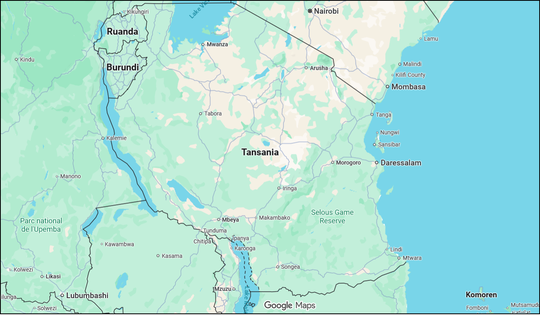
One of the biggest hotspots for biodiversity, not only within Africa, but of the world are the highlands of Tanzania. During our trip in 2022 we could already see a bedazzling amount of species here, but there were a few loose ends. One chameleon (Trioceros laterispinis) and two vipers (Atheris barbouri and A. matildae) to be precise, and those were exactly the main targets for this trip. Unlike last trip we didn't have a set schedule, we were more flexible and visited far fewer locations in order to really focus on the missing three species. Together with our favorite (and least gay) father-and-son duo we traveled from Malawi to Tanzania, for another round of highland herping in the rainy season.

Dar es Salaam
From the 16th until the 17th of January 2026
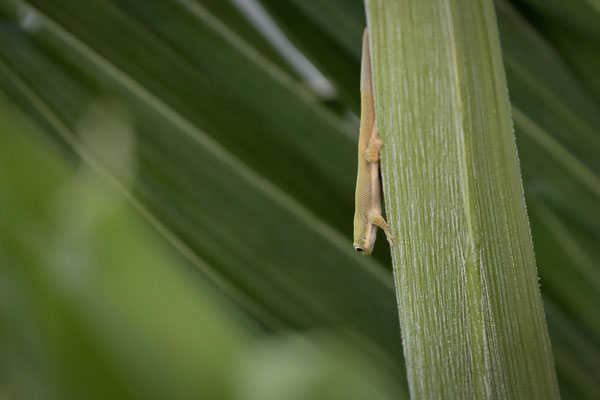
Driving in Tanzania is no fun and we were all not keen on driving all the way from Dar es Salaam to the south like last time. So we decided to fly to Mbeya in the south and start our tour there. As there are no direct flights from Malawi to Mbeya, a stopover of one night in Tanzania's largest city was required. We didn't venture into the city really, we just relaxed a bit and admired the gecko diversity in the hotel's garden, where the walls and most notably the palms were home to Tropical House Geckos (Hemidactylus mabouia), Yellow-headed Dwarf Geckos (Lygodactylus picturatus) and a single Zanzibar Day Gecko (Phelsuma dubia).

Poroto Mountains
From the 17th until the 20th of January 2026
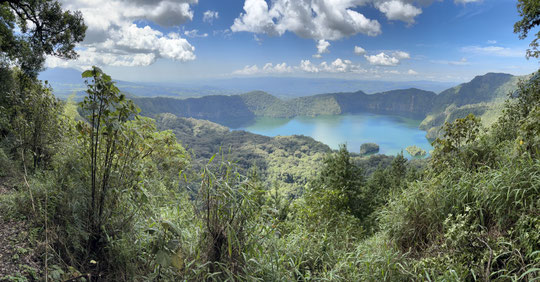
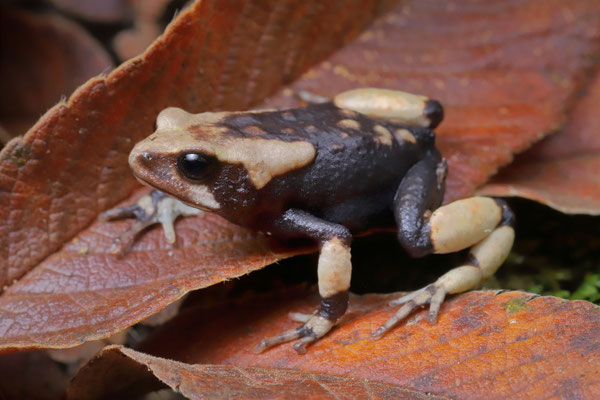
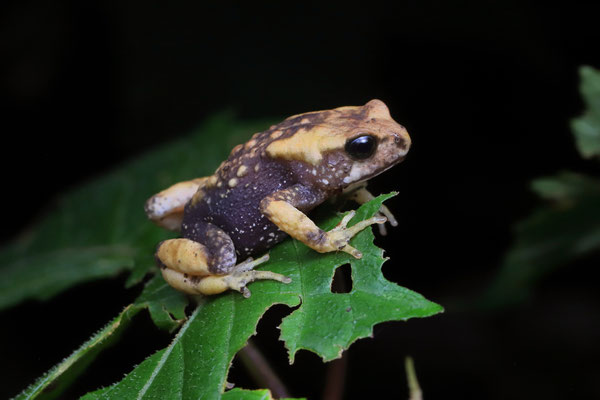
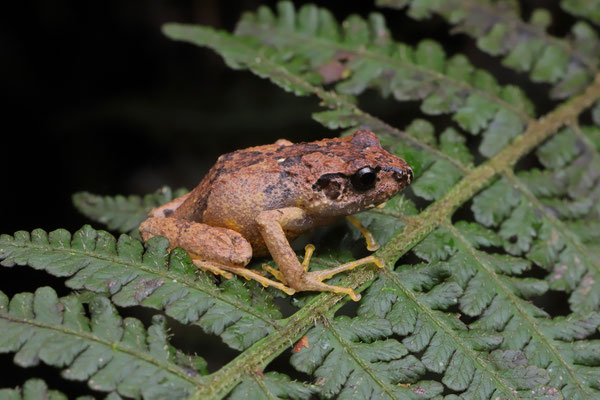
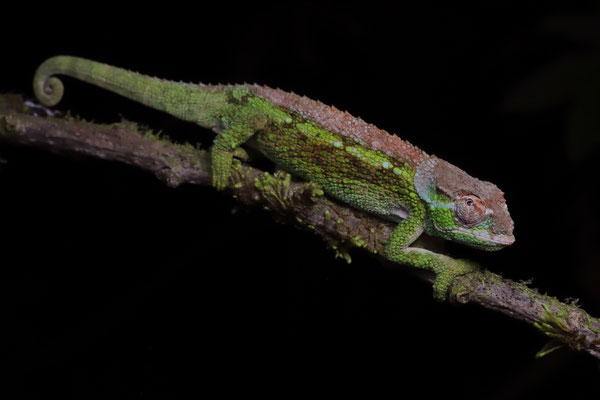
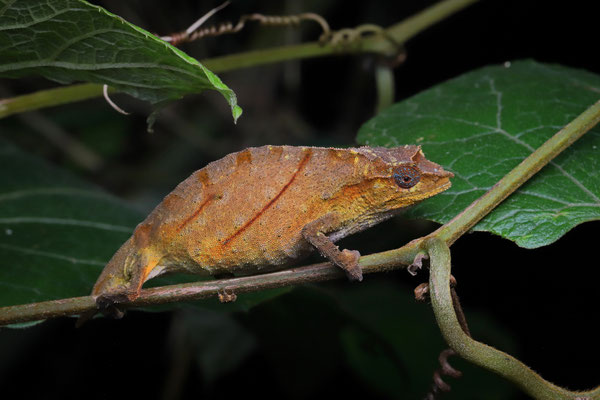
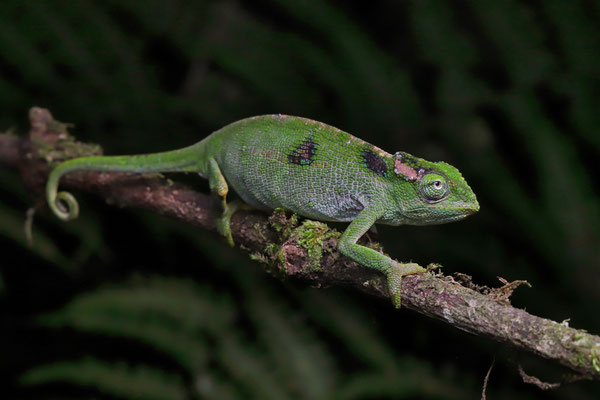
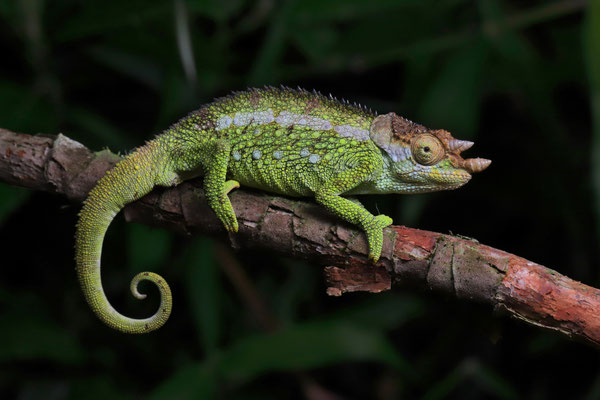
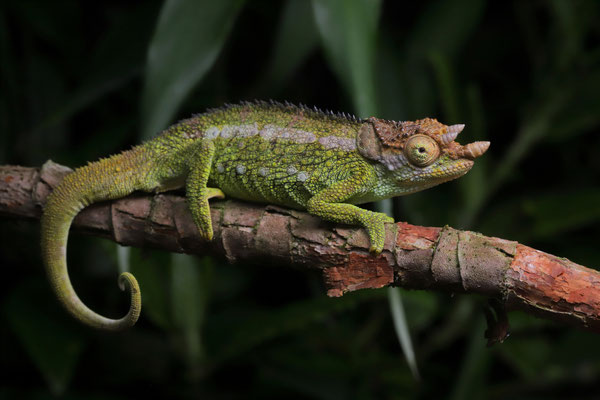
We spent three nights in the urban sprawl of Mbeya where we had a comfortable stay in a nice hotel (with less desirable food) and from where we could explore the surrounding highland forests. On our first night there we already saw several iconic species. Laura found multiple Robust Viviparous Toads (Nectophrynoides viviparus) which have a unique reproductive strategy with internal fertilization and produce fully developed little toadlets. Three species of chameleon were also present in the first forest patch we searched and we saw many Nchisi Pygmy Chameleons (Rhampholeon nchisiensis), Ukinga Hornless Chameleons (Trioceros incornutus) and two Poroto Three-horned Chameleons (Trioceros fuelleborni). The other species present in the area we only found on the second night, when we saw 6 female Poroto Single-horned Chameleons (Kinyongia vanheygeni). We were surprised to see no males of that species and think seasonality plays a role.







Livingstone Mountains
From the 21st until the 26th of January 2026
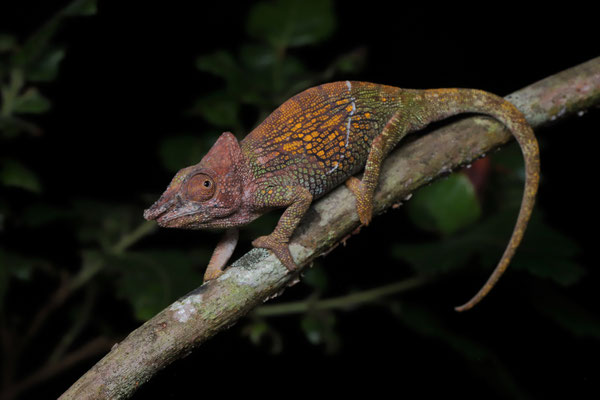
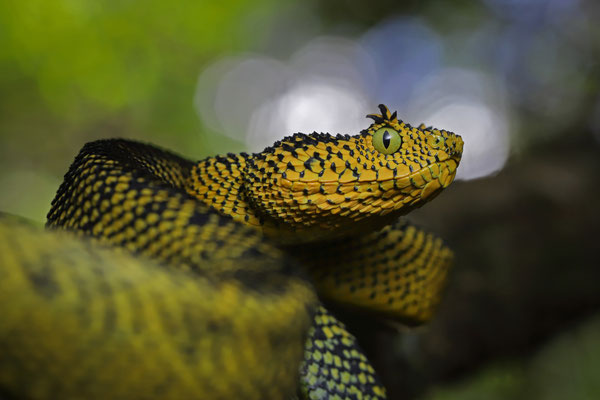
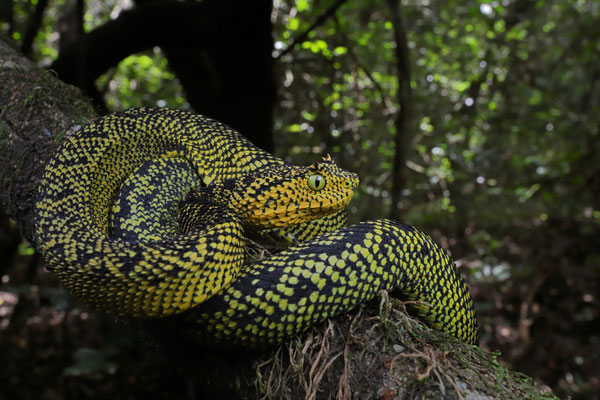
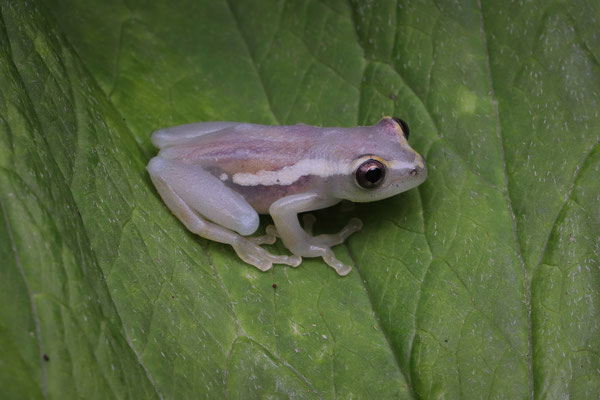
On the way south we had one night in a decent hotel in Njombe, before going into the rural areas of southern Tanzania where we expected to have little comfort. Our French and Swiss friends had great success finding two rarely seen vipers here and we were keen to try our luck with those two vipers as well. The drive south was long and mostly over dirt roads, but finally we arrived in the small town that would be our home for the next 5 days. With the chief of the town we could arrange permission to search in the forest and we were pointed towards the only guesthouse in town. One that the locals mostly use when they need a bit more privacy, as evidenced by the discarded condom wrappings in the window sills as well as the hand- and foot prints decorating the walls. Some people would probably say "TIA"! But we had a bed and a shower so all was good. We could even arrange someone to cook for us and had some warm rice, potatoes and chapati with egg every day. Herping the forests and grasslands here proved to be challenging and herps were hard to come by. In the swamps we saw Long-fingered Squeakers (Arthroleptis stenodactylus), Davenport's Reed Frogs (Hyperolius davenporti), Variable Reed Frog (Hyperolius pictus), Mainland Reed Frogs (Hyperolius substriatus) and Mount Meru Stream Frogs (Strongylopus merumontanus) and found some snakes that were hunting them such as a single Brown Water Snake (Lycodonomorphus rufulus) and a few Tornier's Cat Snakes (Crotaphopeltis tornieri). Laura spotted a single stunning male Southern Highlands One-horned Chameleon (Kinyongia msuyae) whereas the Nchisi Pygmy Chameleons (Rhampholeon nchisiensis) were everywhere. After two days and nights searching for vipers in vain, we decided to try our luck at another good looking forest patch close to a stream. While Black-and-white Colobus Monkeys (Colobus angolensis) and Silvery-cheeked Hornbills (Bycanistes brevis) were foraging in the trees above our heads, we set out with high hopes again. Not for long until Otto struck gold as a Matilda's Horned Viper (Atheris matildae) was making her way over the forest floor. An unbelievable sight to see this massive and brightly coloured snake in an forest which seems otherwise pretty much devoid of snakes. An absolute showstopper and this was a big boost of moral for us! The remaining days here, we tried very hard to find the enigmatic and elusive Atheris barbouri, but sadly to no avail. We tried mornings, afternoons and evenings. We had very changeable weather and could try before or after rain, during warm nights and cold nights, but we simply weren't lucky enough to find one.








Njombe
From the 26th until the 28th of January 2026
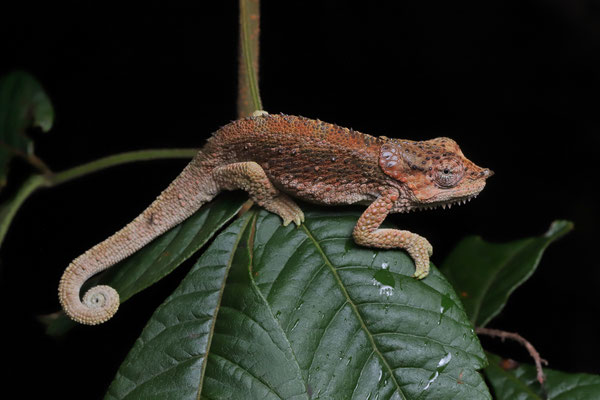
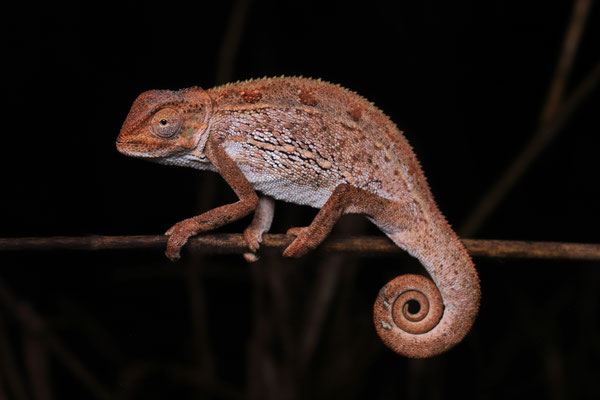
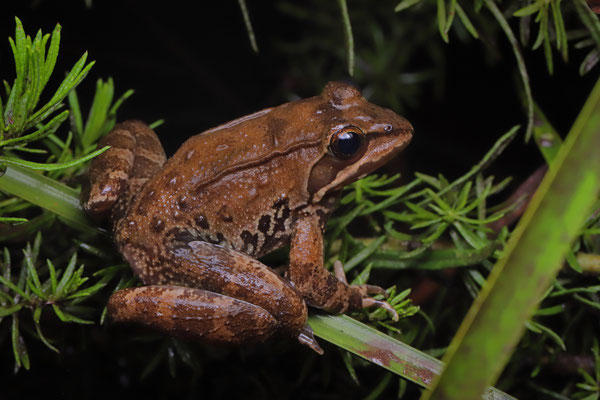
We had the feeling we tried everything in our power to find those cheeky Atheris barbouri at the former location, so we moved on to try out other good looking places. Here, the grass was even higher though, so trying to find a tiny cryptic viper was even more difficult and again we didn't succeed. We saw a few frogs such as Hyperolius pictus, Hyperolius substriatus and Amietia tenuoplicata. Chameleons were present in slightly bigger numbers and we saw almost equal numbers of Goetze's Chameleons (Trioceros goetzei) and Udzungwa Double-bearded Chameleons (Trioceros tempeli). It was great to sleep in a clean bed again though and we gorged on some excellent food in our hotel.




Mufunfi
From the 28th of January until the 1st of February 2026
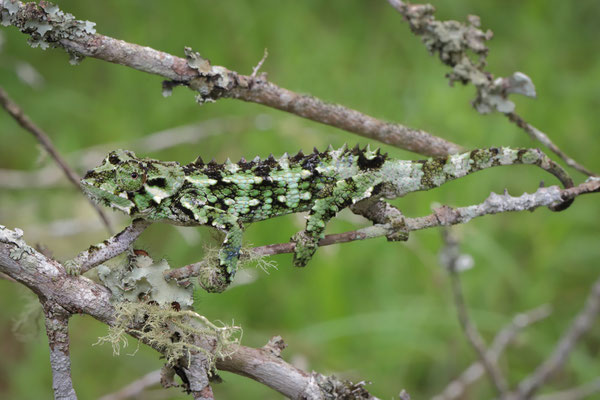
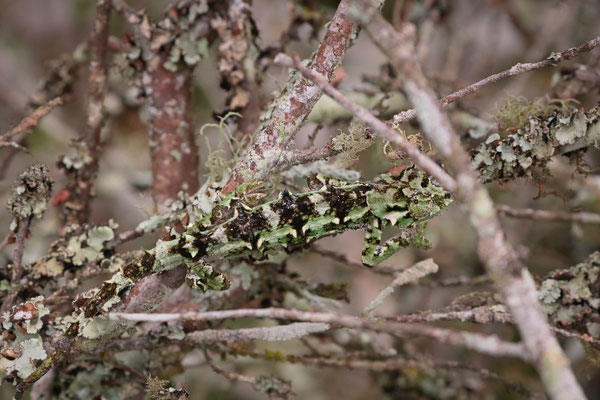
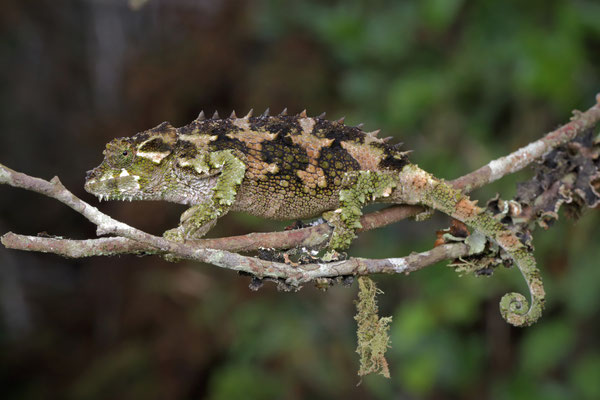
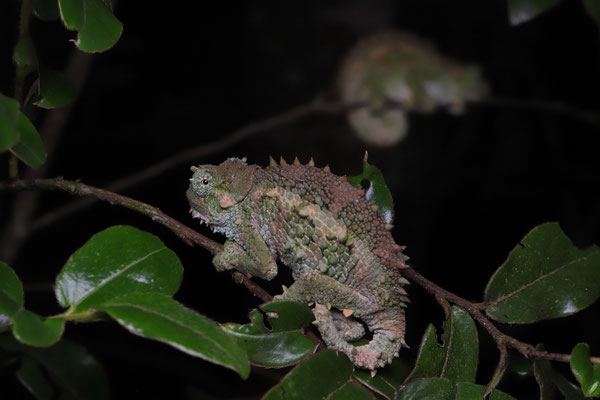
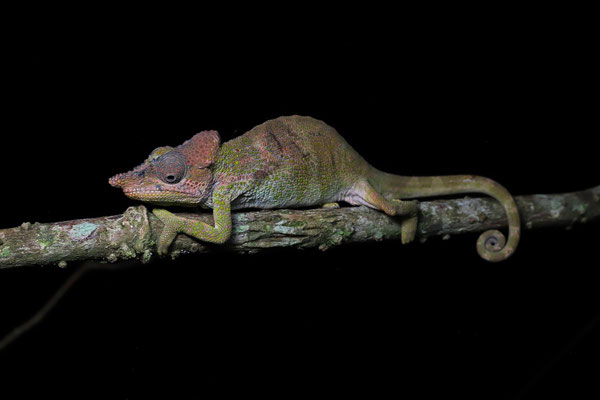
A place we knew well from our previous visit to Tanzania, but last time we didn't get to see one of the most special chameleons of the area. We stayed in the same place as last time, and from there explored several surrounding forest patches. On the first night we set out in a place we couldn't access last time because we didn't get the permit. Now the permit was easily arranged and we could search there without trouble. In the lower striata of the forest we saw many Udzungwa Pygmy Chameleons (Rhampholeon moyeri), whereas Southern Highlands One-horned Chameleons (Kinyongia msuyae) where high up in the trees. And even better, this time we got to see several Spiny-flanked Chameleons (Trioceros laterispinis)! These incredible chameleons have of course the eponymous spiky tubercles on their flanks, but these spikes also adorn the side of the tails and even around their eyes. Combined with the shades of white and green, this gives them the perfect camouflage on the many lichen-covered branches that are typical for the forests here. In total we saw them in three different forest patches and it was incredible to see this species in real life now. What was also interesting is the paired sleeping we observed. Of our 10 individuals we had 4 couples found together.
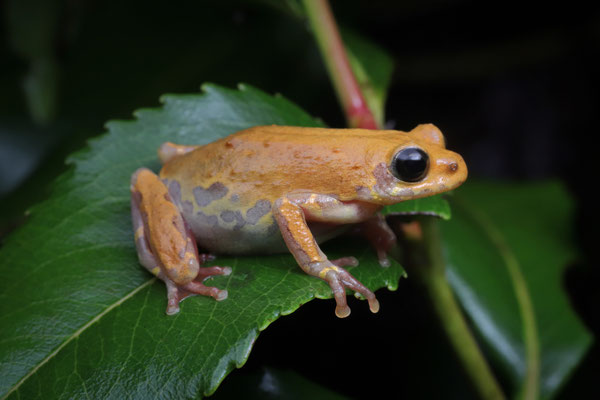
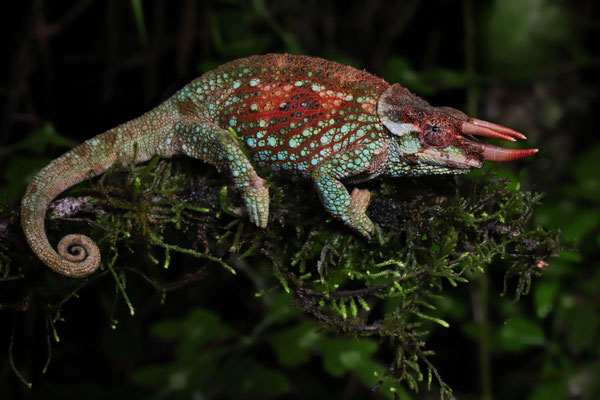
The last two nights we searched at a forest patch we knew from our last visit to the area and although we didn't have the most success the first night, the second night was wonderful. We saw 5 species of chameleon such as Udzungwa Pygmy Chameleon (Rhampholeon moyeri), Southern Highlands One-horned Chameleon (Kinyongia msuyae), Spiny-flanked Chameleon (Trioceros laterispinis), Udzungwa Double-bearded Chameleon (Trioceros tempeli) and Werner's Three-horned Chameleon (Trioceros werneri). A chameleon lover's dream! Also frogs were active and the sound from nearby marshes was deafening. Species such as Kassina senegalensis, Hyperolius pictus, Hyperolius pseudargus and Hyperolius substriatus were all trying to outdo each other in the amounts of decibels produced. And to top it off, Laura and I both found an Usambara Bush Viper (Atheris ceratophora) hanging in the vegetation to conclude another amazing time in Mufunfi.











Ruaha NP
From the 1st until the 3rd of February 2026
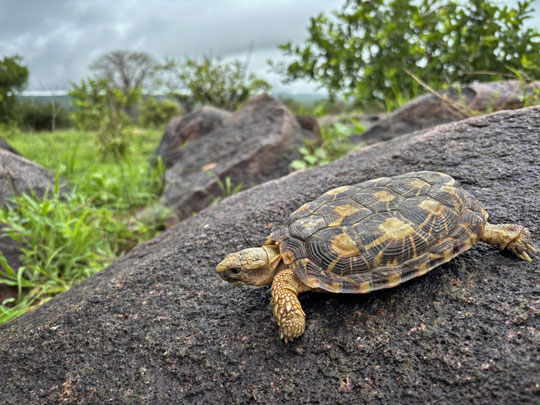
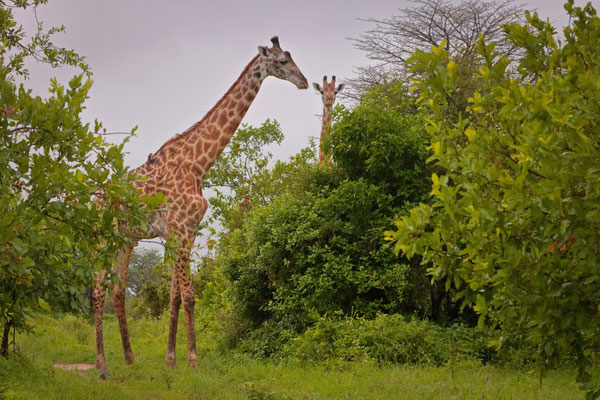
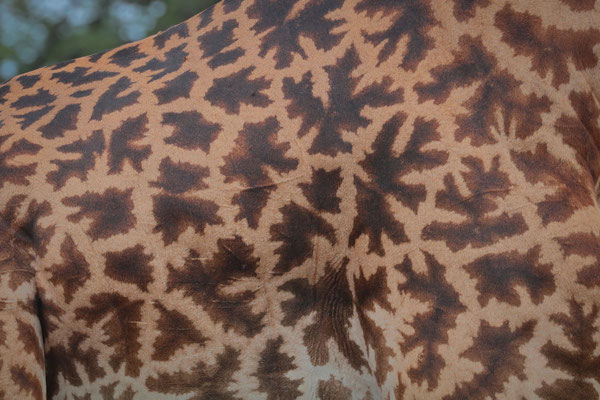
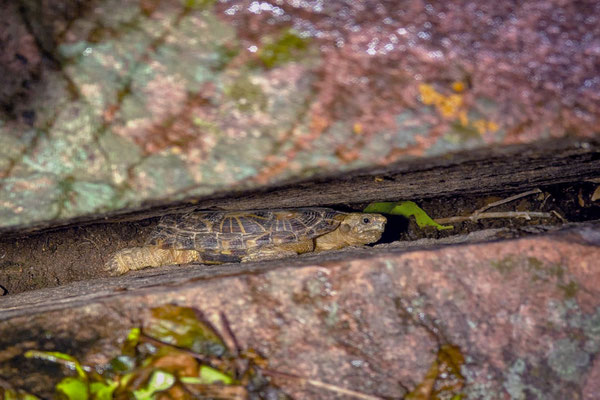
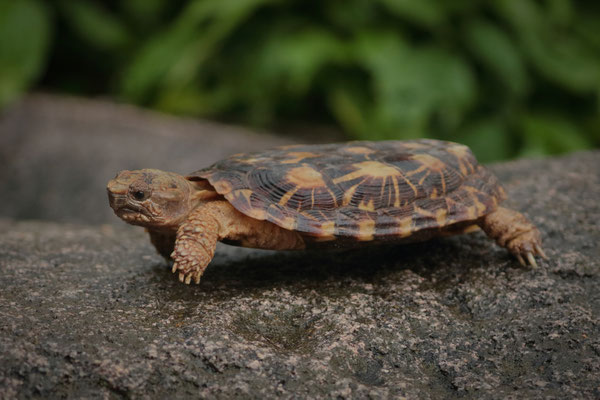
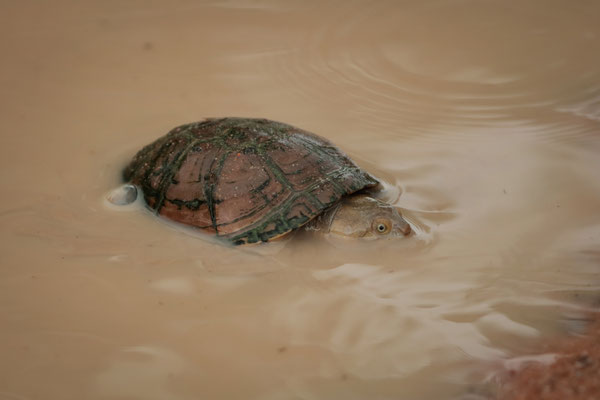
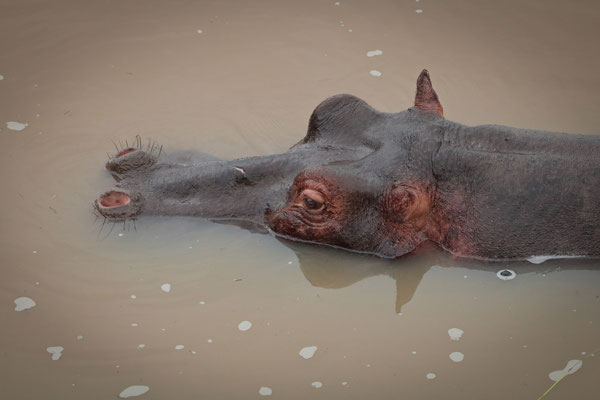
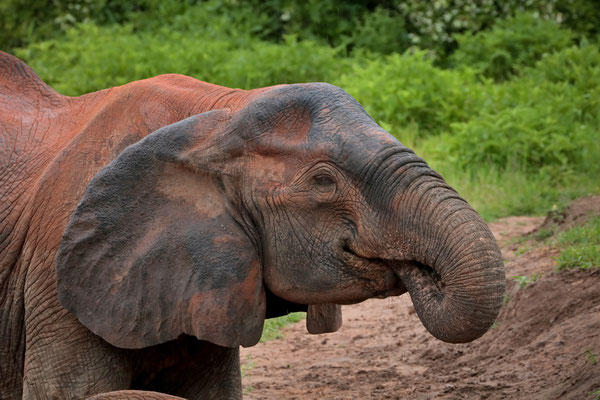
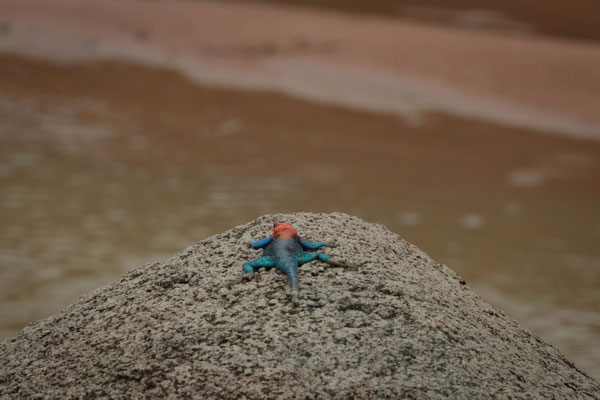
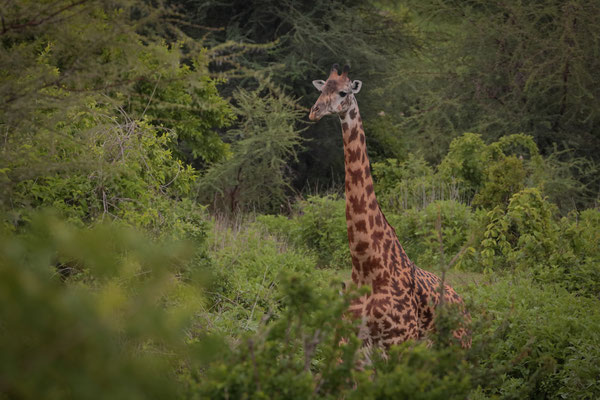
Just like our last visit to Tanzania, we had another amazing safari with iconic mammals and a highly iconic herp as an added bonus. After the great success of Mufunfi we spontaneously decided to drive into Ruaha NP to look for a very special tortoise. We weren't really prepared, but decided to just try our luck and see how we would get on. On the day of our gamedrive we had pretty grim weather and the drizzle just continued to fall. Despite (or because of?) that, the amazing wildlife encounters just kept on coming. Already on the drive towards a nice looking patch of habitat we wanted to check for tortoises, we saw several Giraffes (Giraffa tippelskirchi), Elephants (Loxodonta africana) and Hippos (Hippopotamus amphibius). At a very nice looking rocky outcrops, the staff was a bit confused to see us show up and especially when we started asking questions about very flat tortoises. They thought we were researchers, when in reality we are just juice box sipping herpers. We got permission to search anyway and both Otto and I both spotted a Pancake Tortoise (Malacochersus tornieri). Such a delight to see this species again and for the tortoise-loving Finnish friends especially! In and around the rocky cracks in which these tortoises live, we also saw Trachylepis margaritifer and Broadleysaurus major.
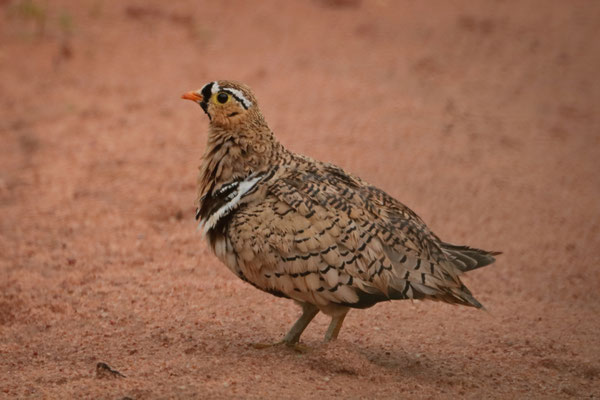
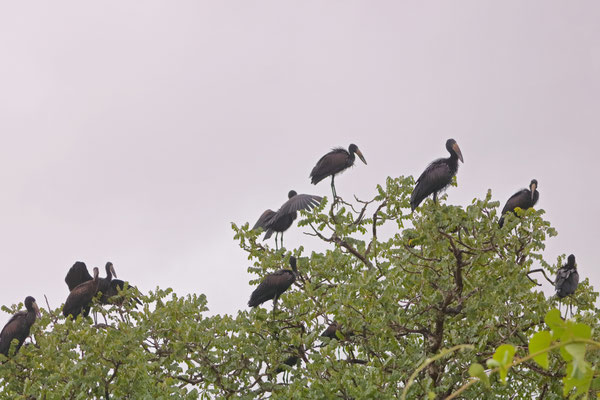
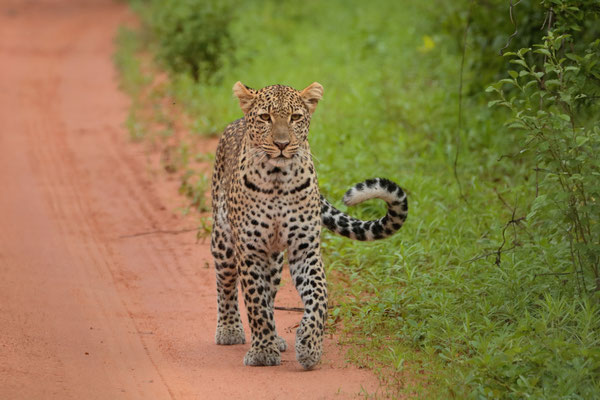
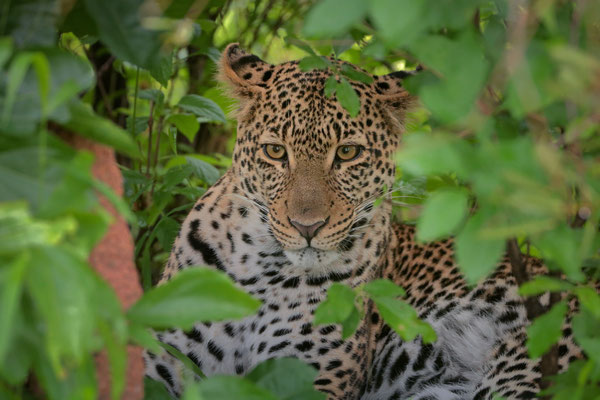
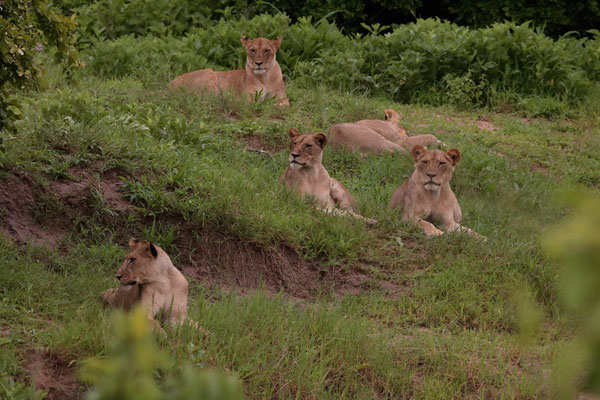
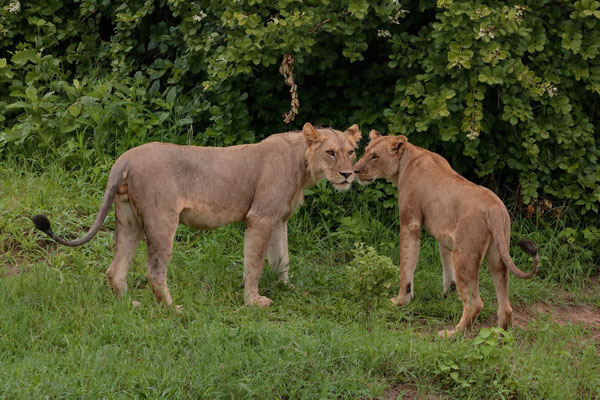
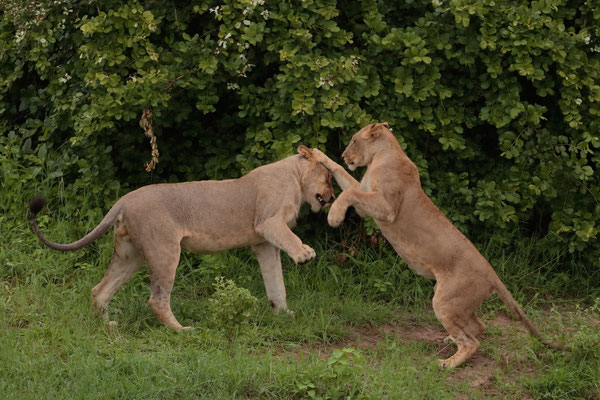
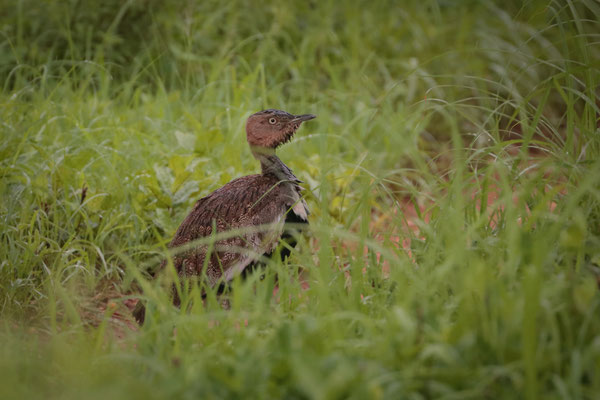
Shortly after we started to drive around again, I couldn't believe my eyes as a Leopard (Panthera pardus) was walking towards us over the road and decided to shelter from the rain in a bush next to the car. Unbelievable! Moments later we were eyeing a pride of Lions (Panthera leo) sleeping in the grass, while a herd of Elephants was crossing the stream at the other side of the car. We saw Southern Ground Hornbills (Bucorvus leadbeateri) foraging and a huge flock of African Openbill Storks (Anastomus lamelligerus). This was just another incredible day in the field and even better, we had almost all sightings to ourselves. This NP is one of the lesser visited due to its remote location and sheer size, but especially in the rainy season there are very few visitors. We were feeling very lucky that this spontaneous stop worked out so well!












Mount Rungwe
From the 3rd until the 5th of February 2026
Another location we knew well from our last visit to Tanzania. Last time we got to see a stunning adult Mount Rungwe Bush Viper and we were keen to see these vipers again. And who knows, maybe some rarely seen amphibians would turn up? We stayed at the ranger station again which looked pretty much the same as three years ago. Although this time we heard some strange vomiting sounds coming from the dining area. Weird... During the next two days we would explore the forest and the forest edges looking for amphibians and reptiles and had a very hard time. We saw many Nchisi Pygmy Chameleons (Rhampholeon nchisiensis) again, some Arthroleptis xenodactyloides, Amietia tenuoplicata and Lygodactylus angularis, but otherwise the herps were hard to come by and no sign of any snakes besides a piece of shed skin. We also missed seeing the endemic Kipunjis again, although I did get a fleeting glimpse of a Chequered Elephant Shrew (Rhynchocyon cirnei). On the very last morning, on the very last stretch of good-looking habitat and in the very last minute before we wanted to move on, Otto saw a beautiful tiny golden ball hiding in the tall grass. A Mount Rungwe Bush Viper (Atheris rungweensis) juvenile! This truly last minute find was the perfect ending to our trip!


Epilogue
Traveling one of the hotspots for biodiversity in Africa is always fantastic. There are so many strange frogs, iconic chameleons and enigmatic vipers that I don't think I will ever get enough of this. That being said, herping the highlands is always hard work. There are nights where you barely find any herps, where on others you see a myriad of chameleon species with a stunning viper as dessert. That was again very true for this trip as well. We didn't cover as much ground as last time, as we didn't visit as many locations. Trying to focus on a few hard-to-find targets also ensures you won't gather a massive species list in the process. But having found all the chameleon species of the region, the fantastic Pancake Tortoises and 3 out of 4 Atheris species made sure that we had a great trip again in Tanzania. Traveling without a guide this time was also the right choice for us, we were much more flexible with the schedule and somehow getting access to certain places proved to be so much easier now. We didn't have several guides, local guides and local-local guides following us around and we felt much more free to explore. Moreover (and not entirely unimportant) it was also much cheaper. Asante Sana Tanzania, see you next time!
Species
Guttural Toad (Sclerophrys gutturalis)
Robust Viviparous Toad (Nectophrynoides viviparus)
Senegal Running Frog (Kassina senegalensis)
Morere's Spiny Reed Frog (Afrixalus morerei)
Davenport's Reed Frog (Hyperolius davenporti)
Variable Reed Frog (Hyperolius pictus)
Mette's Reed Frog (Hyperolius pseudargus)
Mainland Reed Frog (Hyperolius substriatus)
Common Reed Frog (Hyperolius viridiflavus)
Related Squeaker (Arthroleptis affinis)
Reiche's Squeaker (Arthroleptis reichei)
Long-fingered Squeaker (Arthroleptis stenodactylus)
Dwarf Squeaker (Arthroleptis xenodactyloides)
Plain Grass Frog (Ptychadena anchietae)
Mount Meru Stream Frog (Strongylopus merumontanus)
Amani River Frog (Amietia tenuoplicata)
Pancake Tortoise (Malacochersus tornieri)
East African Black Mud Turtle (Pelusios subniger)
Nile Crocodile (Crocodylus niloticus)
Dodoma Rock Agama (Agama dodomae)
Flap-necked Chameleon (Chamaeleo dilepis)
Udzungwa Pygmy Chameleon (Rhampholeon moyeri)
Nchisi Pygmy Chameleon (Rhampholeon nchisiensis)
Southern Highlands One-horned Chameleon (Kinyongia msuyae)
Poroto Single-horned Chameleon (Kinyongia vanheygeni)
Poroto Three-horned Chameleon (Trioceros fuelleborni)
Goetze's Chameleon (Trioceros goetzei)
Ukinga Hornless Chameleon (Trioceros incornutus)
Spiny-flanked Chameleon (Trioceros laterispinis)
Udzungwa Double-bearded Chameleon (Trioceros tempeli)
Werner's Three-horned Chameleon (Trioceros werneri)
Tropical House Gecko (Hemidactylus mabouia)
Angulated Dwarf Gecko (Lygodactylus angularis)
Cape Dwarf Gecko (Lygodactylus capensis)
Yellow-headed Dwarf Gecko (Lygodactylus picturatus)
Zanzibar Day Gecko (Phelsuma dubia)
Grass Skink (Trachylepis megalura)
Rainbow Skink (Trachylepis margaritifer)
Striped Skink (Trachylepis striata)
Variable Skink (Trachylepis varia)
Great Plated Lizard (Broadleysaurus major)
Bicoloured Blind Snake (Afrotyphlops nigrocandidus)
Brown Water Snake (Lycodonomorphus rufulus)
Angola Green Snake (Philothamnus angolensis)
Tornier's Cat Snake (Crotaphopeltis tornieri)
Usambara Bush Viper (Atheris ceratophora)
Matilda's Horned Viper (Atheris matildae)
Mount Rungwe Bush Viper (Atheris rungweensis)
Many thanks to Matthieu Berroneau, Ruben Foquet, Ryan van Huyssteen, Robin Gloor, Michele Menegon & Petr Necas.