 Amphibians and Reptiles
of Europe
Amphibians and Reptiles
of Europe
Madagascar
From the 9th of February until the 11th of March 2026
Madagascar, the eight continent. For a chameleon lover as myself, a visit to the world's fourth-largest island in the world was long overdue. Boosting nearly a 100 species of chameleon and incredible wildlife in general, a visit here remained a dream for a long time. And frankly, the biodiversity here is so overwhelming, that it is hard to get an overview on where to go to see as much as possible. But during our Little Big Year we had the time to do a proper visit in the right season. And of course we were in the region already. So when Wouter and Flip mentioned they were also thinking of visiting Madagascar, we decided to join forces and visit the island's central and southern parts. Of course I was keen to see more of the chameleons of the eastern coast as well, so I also organized a second leg of the trip. There we wouldn't be doing it alone either, as herping buddies Jelmer, Jeroen and Bert were quick to hop on board as well. For the first part of the trip we enlisted the help of new friend Jarry to bring us to all the locations. For the second part of the trip we had help of another new friend, and Sergio made sure we had a very smooth journey where the new species just kept on coming in.


Antoetra
From the 9th until the 11th of February 2026
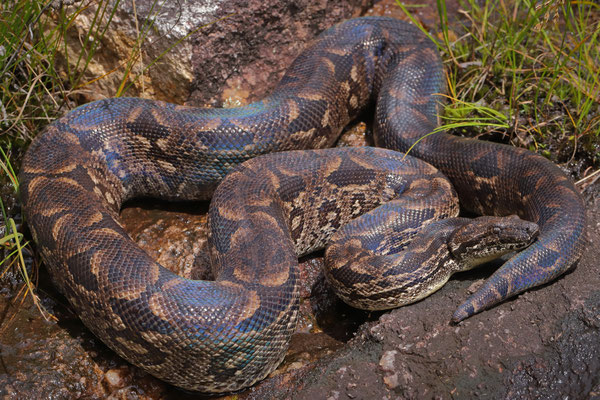
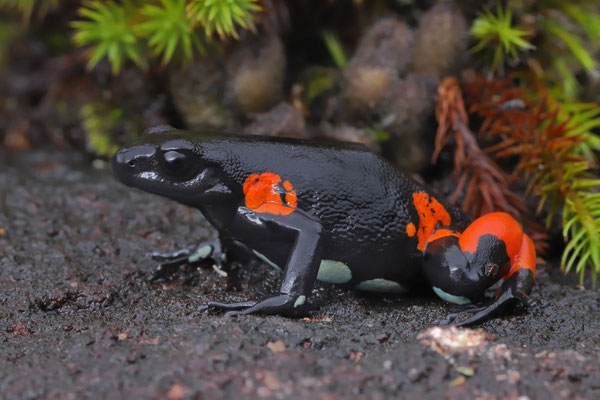
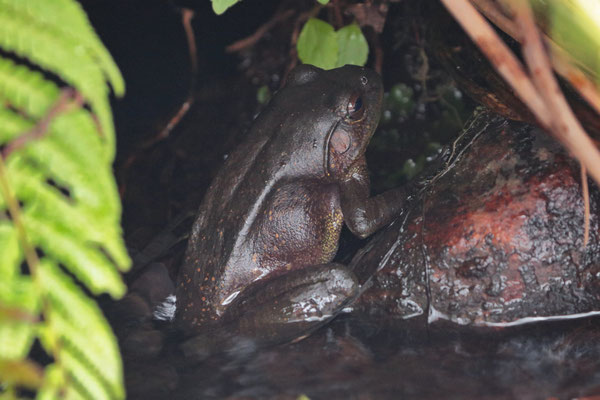
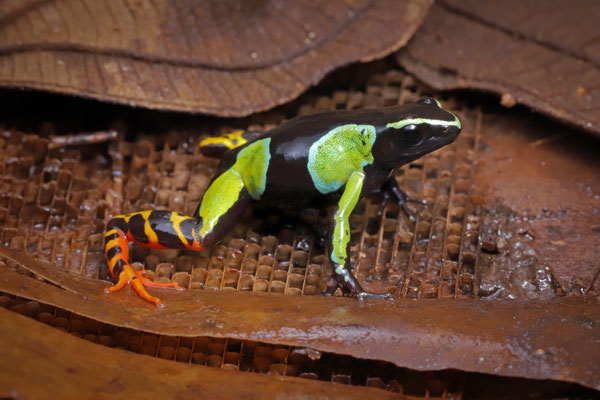
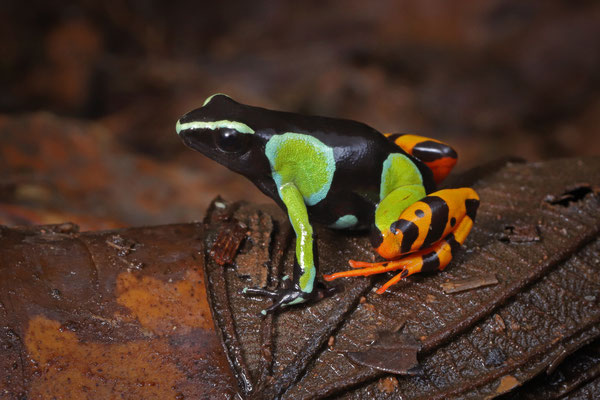
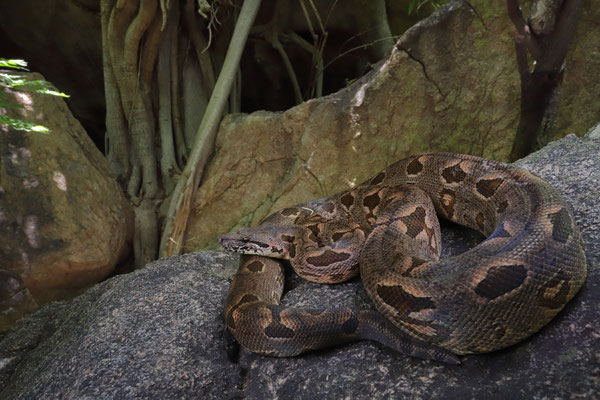
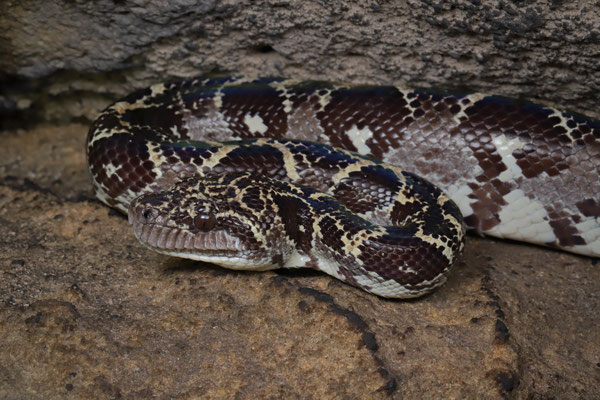
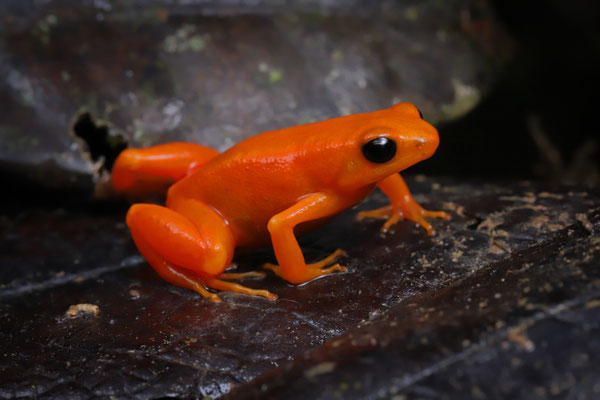
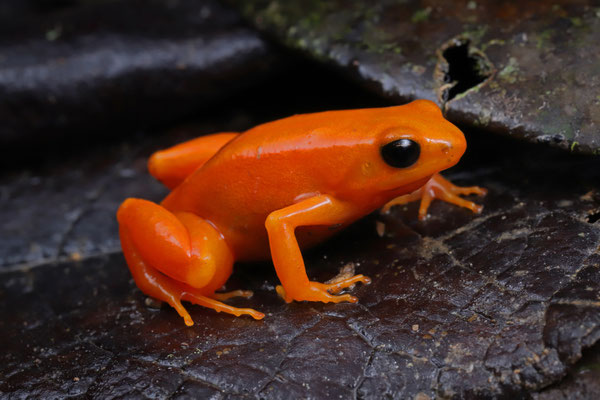
In the middle of the night, Laura and I arrived in Antananarivo. We flew from Mbeya to Nairobi via Dar es Salaam and had a long journey behind us. At breakfast the next day we met Wouter, Flip and Jarri, got some supplies and made our way south. The roads in Madagascar are in terrible shape though, and progress is slow. We spent the night in Ambositra and drove the final stretch the next day. What awaited us was a stunning granite mountain where seepages provide enough moisture for amphibians to survive here. Our main reason to come here is the presence of one exceptionally rare and unbelievably striking amphibian. Although we searched hard the first day, we didn't find it yet, but other animals showed up such as Ptychadena mascareniensis, Boophis goudotii, Mantidactylus gutturalis, Mantidactylus lugubris. and Acrantophis dumerili. We needed wetter conditions to find our main target, and apparently we needed a cyclone. When cyclone Gezani made landfall and wreaked havoc on the eastern shores of the island, it rained heavily the whole night. Also the next morning it was very wet and very stormy. We decided to try our luck anyway and drove back to the granite slopes. Although the weather was very changeable and we got all very wet, it was very much worth it as soon enough we were staring at three incredibly spectacular little Harlequin Mantellas (Mantella cowanii). Amazing! We even got a little respite from the cyclone and had a small window to take some pictures before the rains returned.





Ranomafana NP
From the 11th until the 15th of February 2026
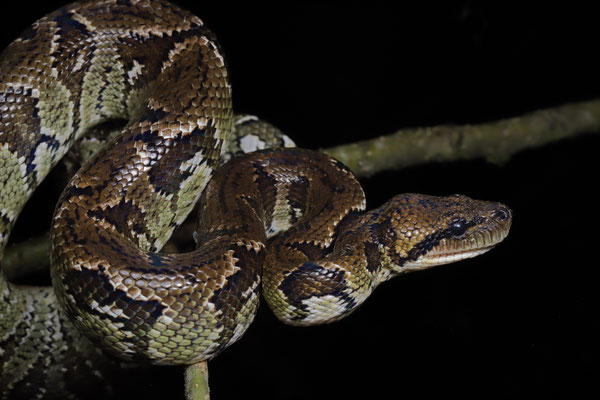
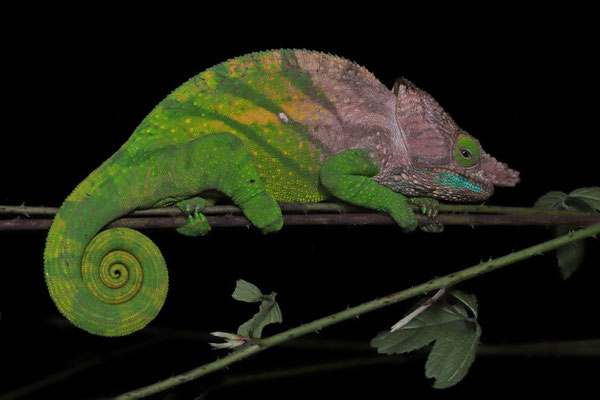
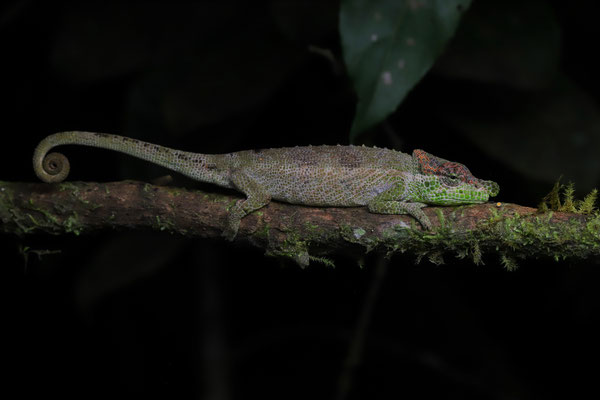
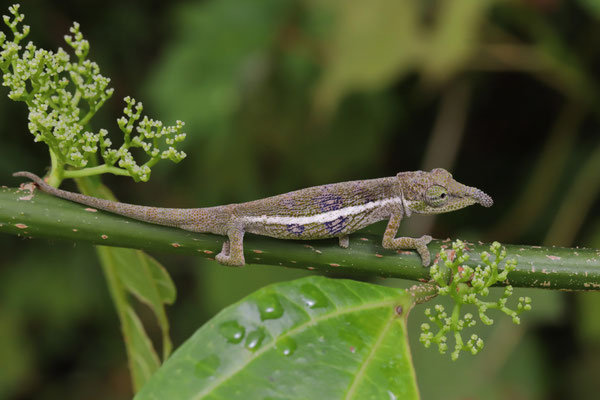
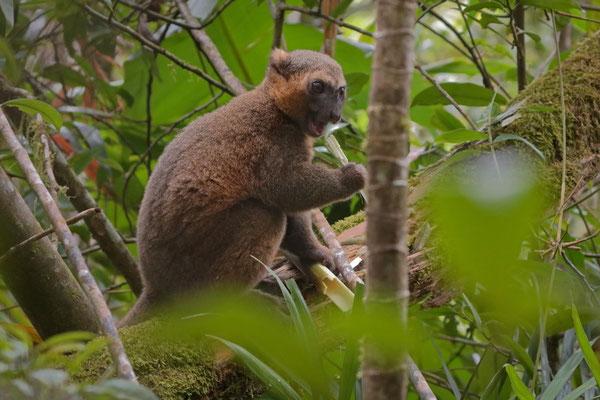
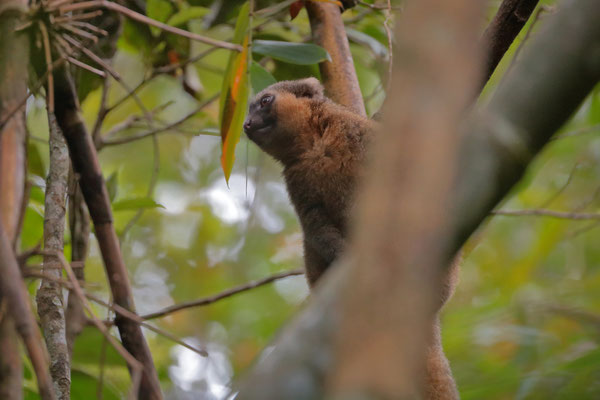
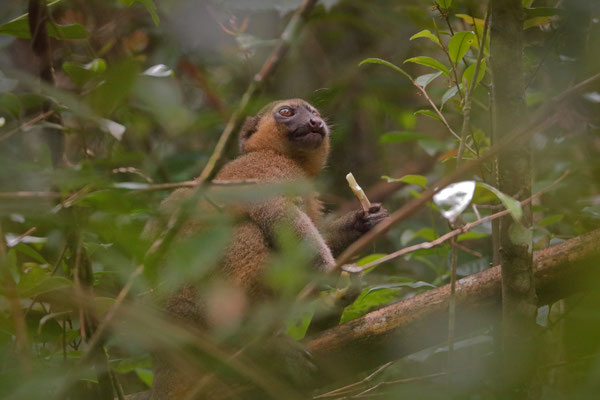
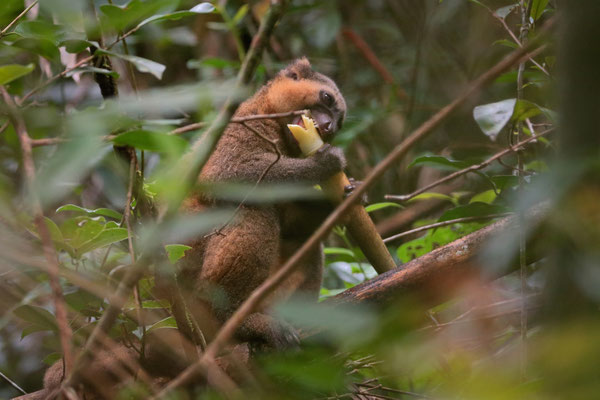
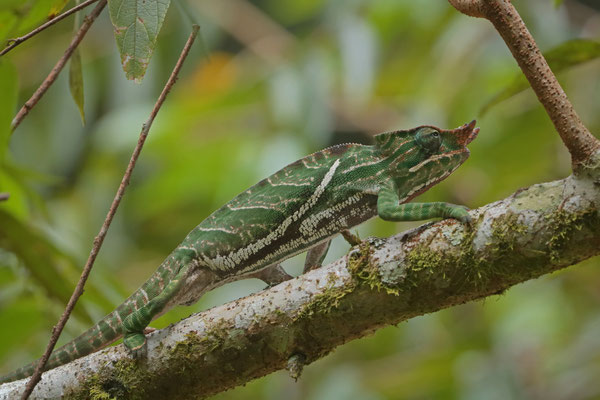
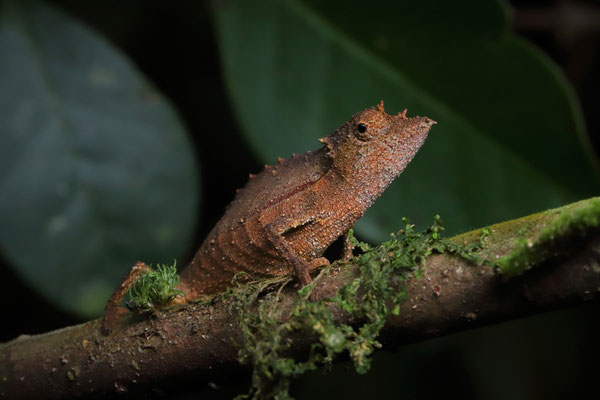
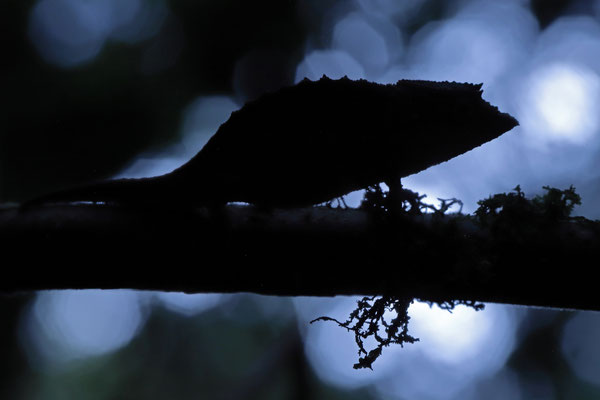
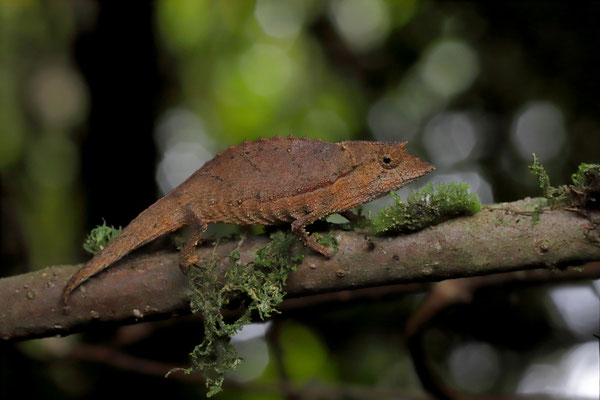
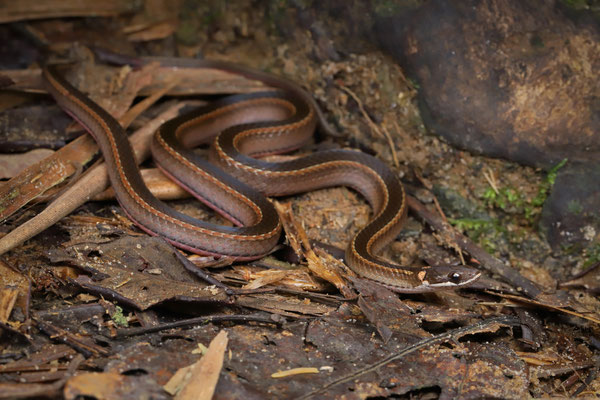
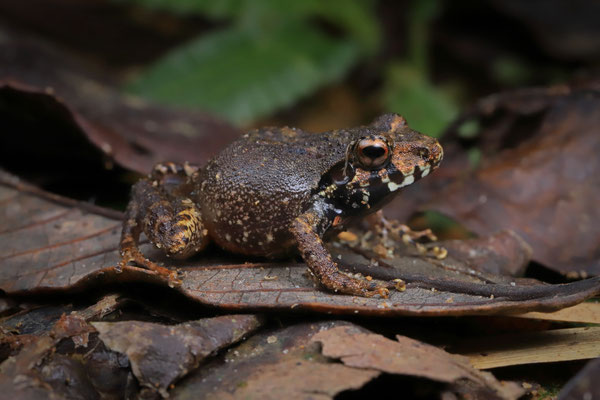
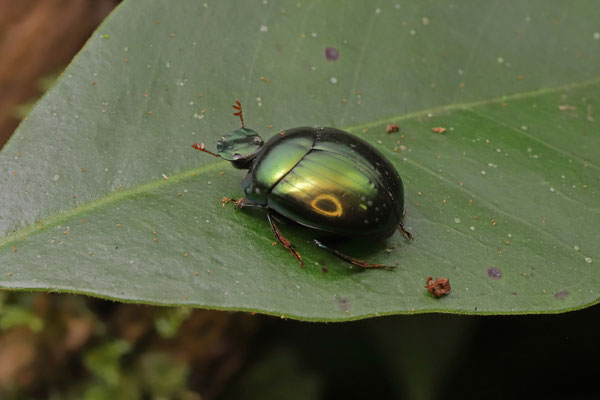
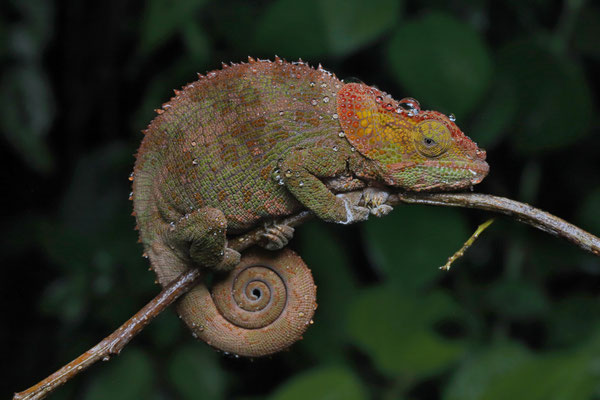
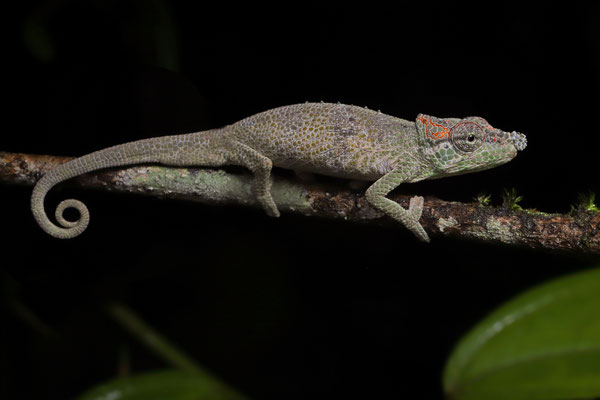
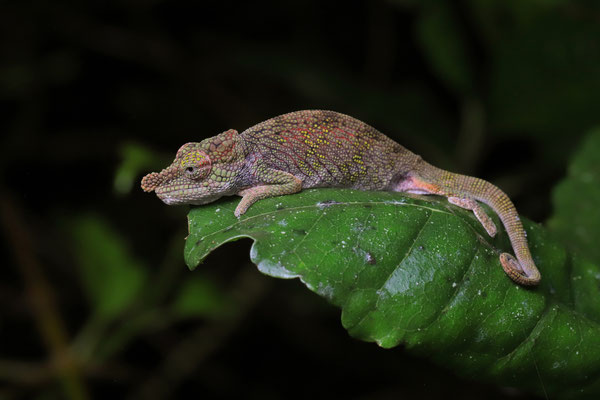
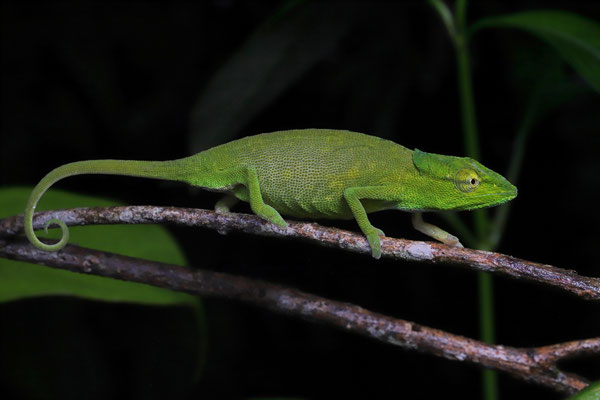
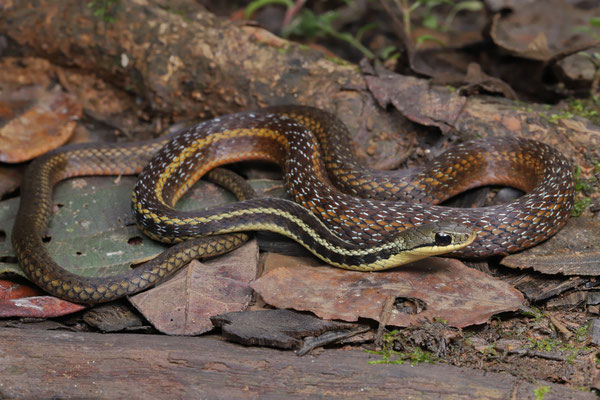
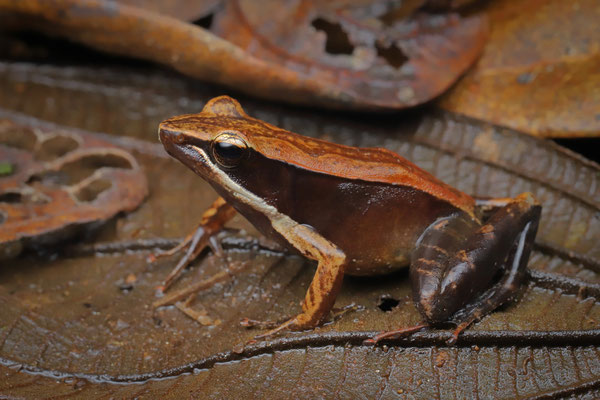
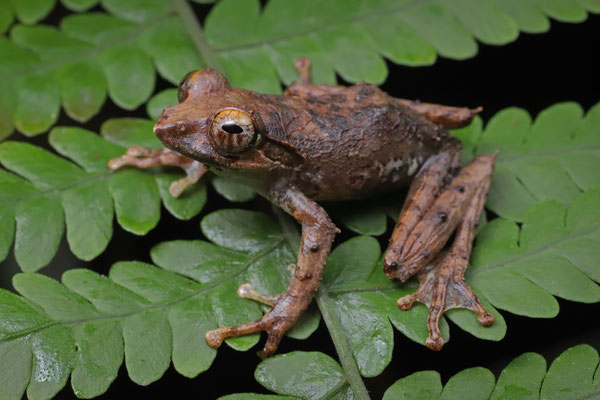
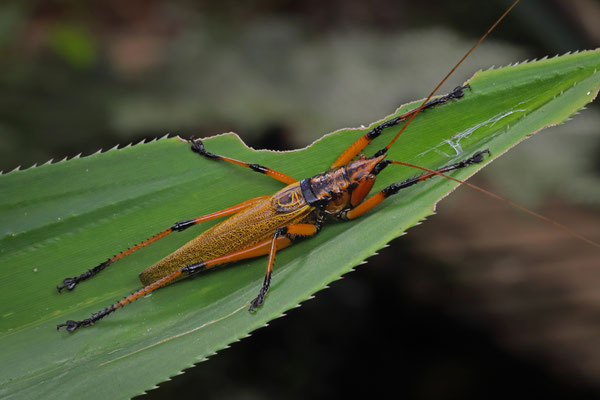
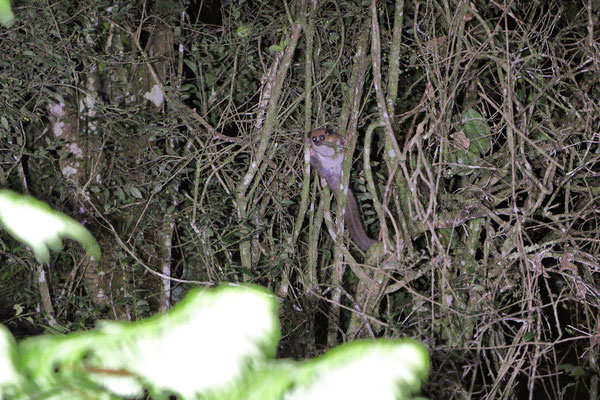
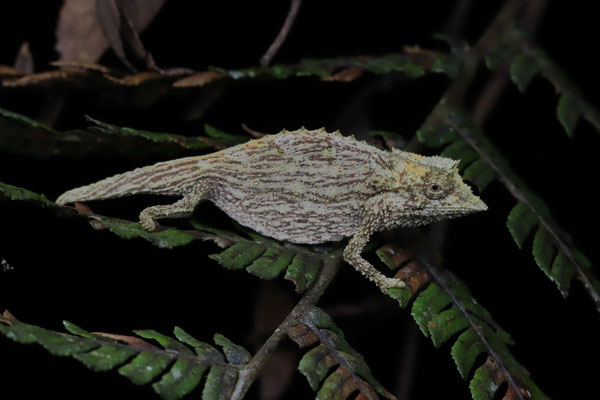
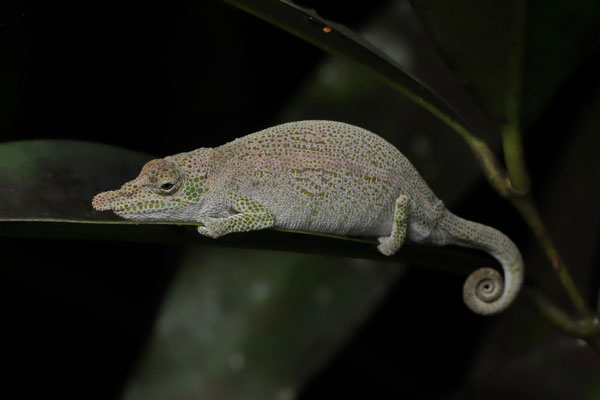
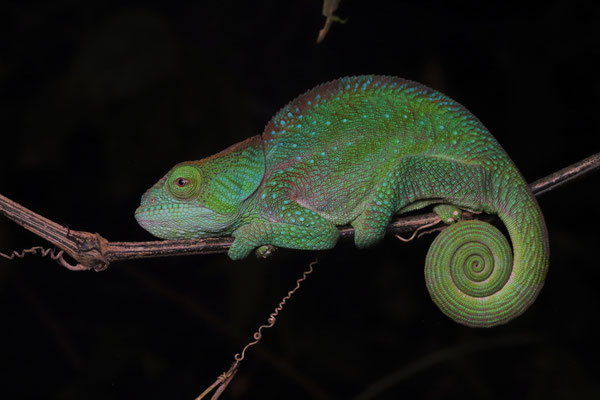
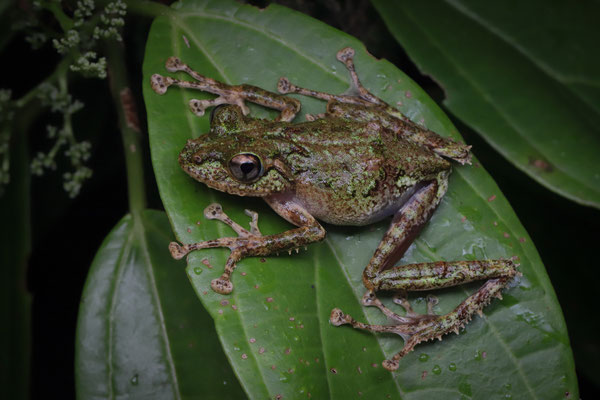
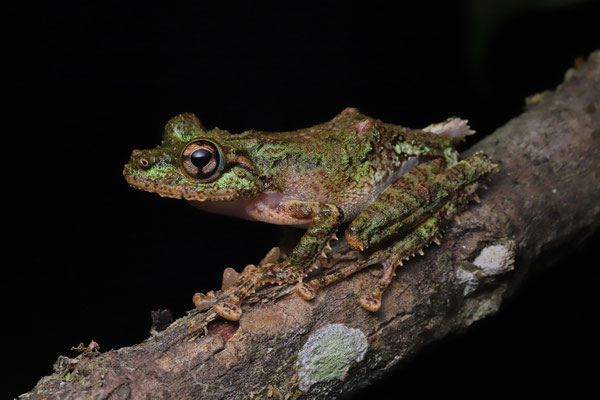
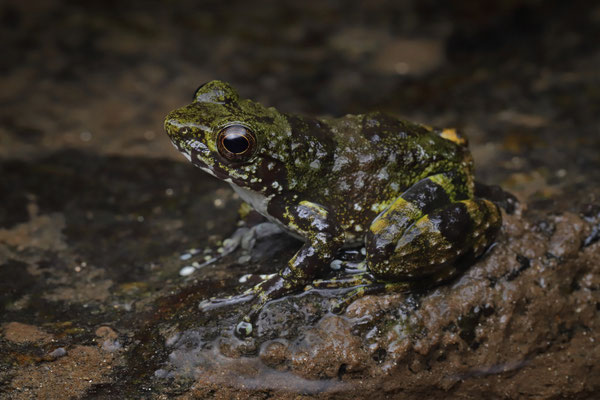
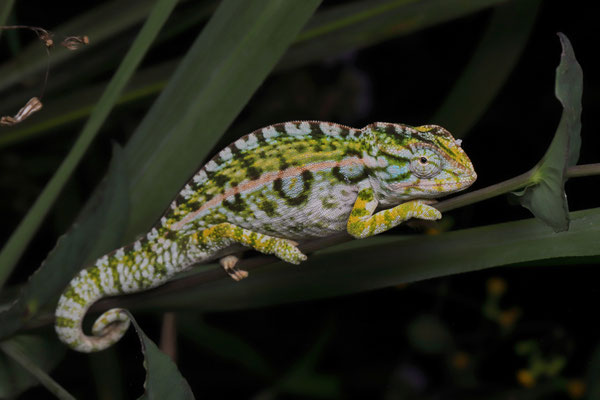
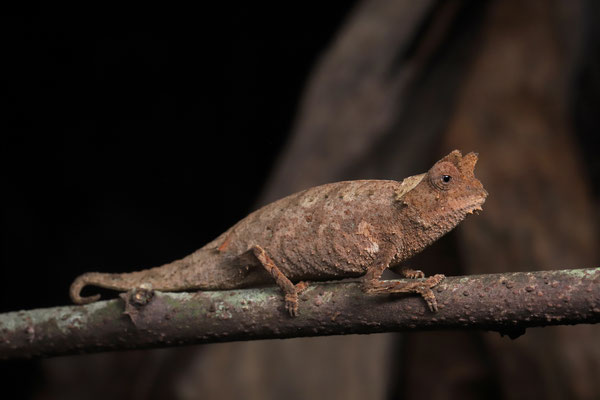
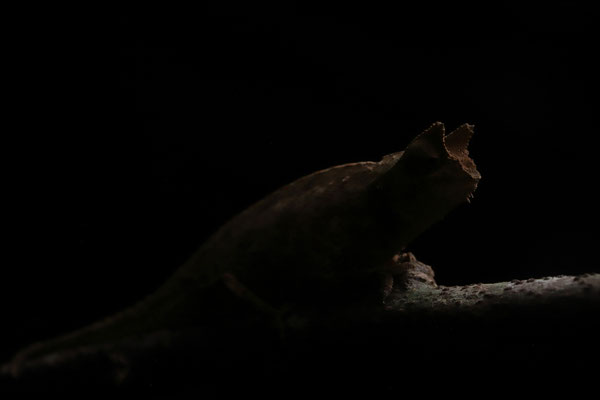
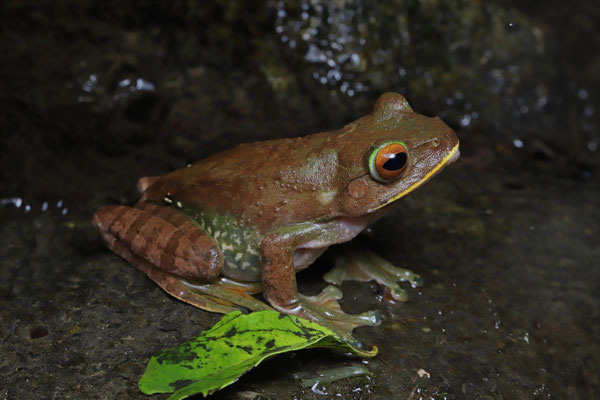
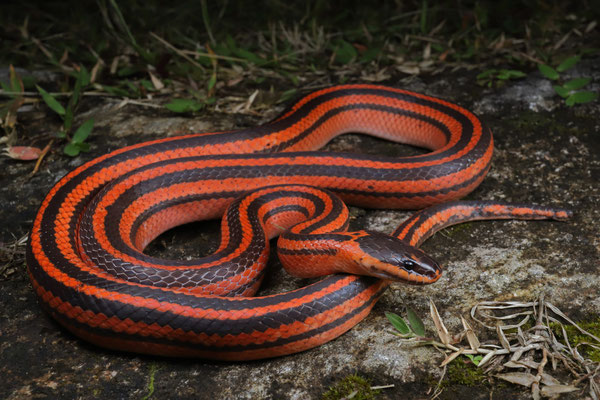
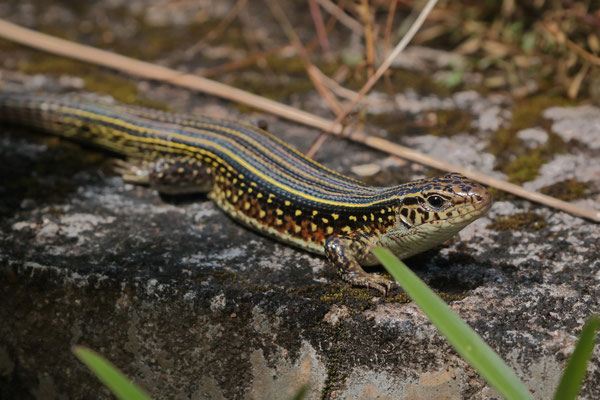
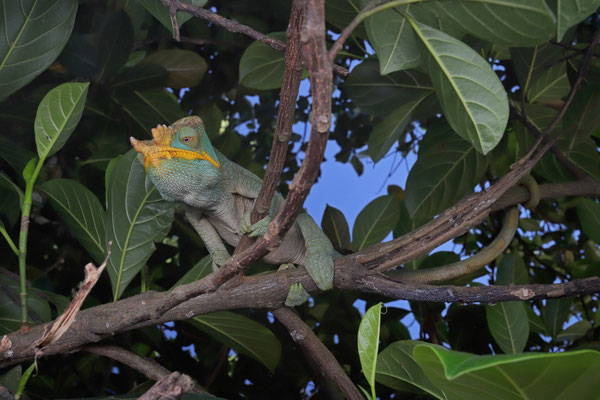
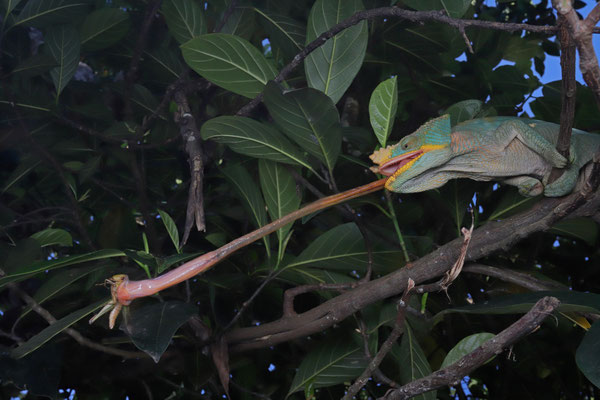
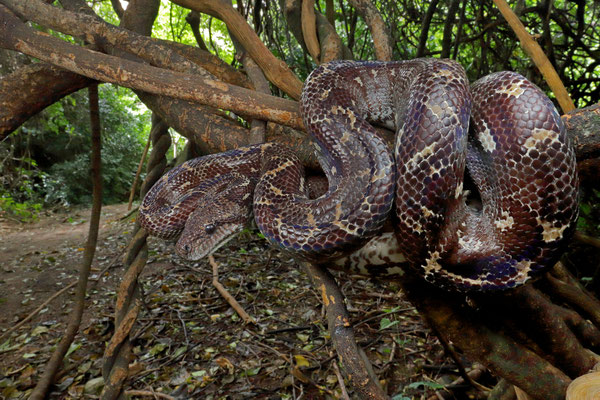
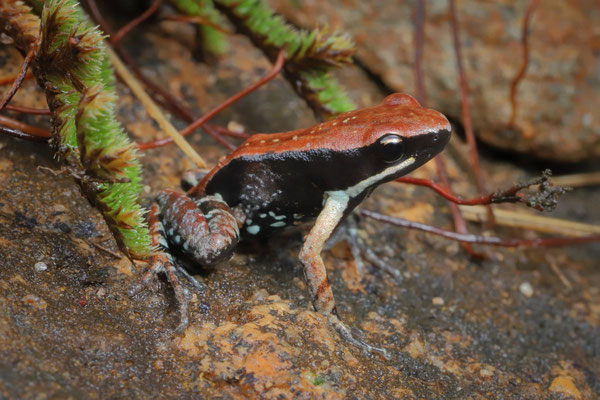
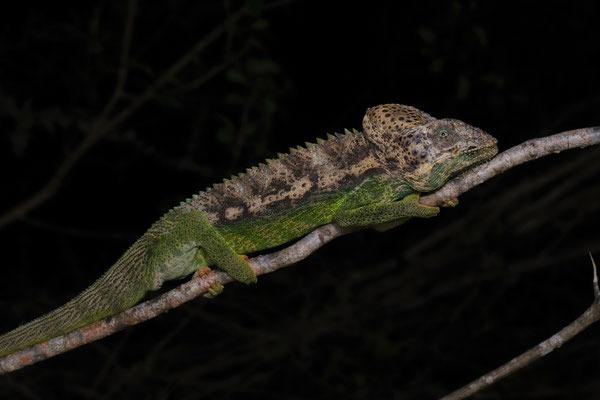
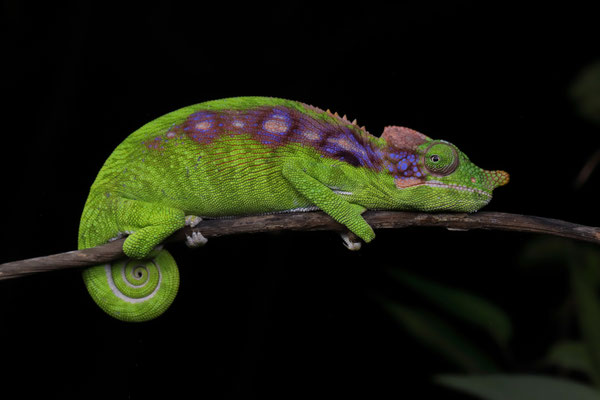
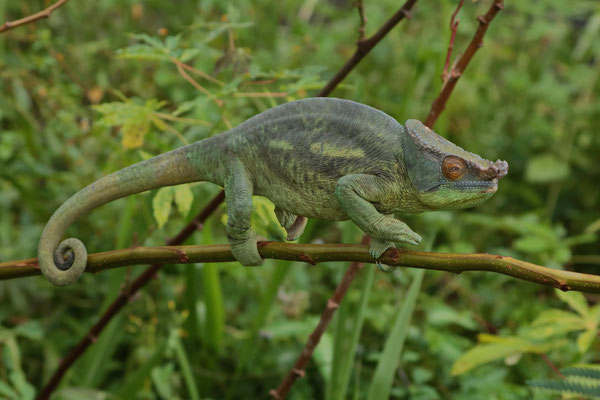
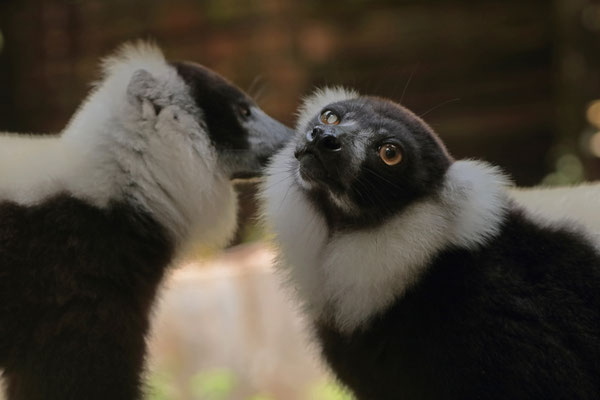
A hotspot for chameleon diversity, we couldn't miss out a visit to Ranomafana National Park. Over the course of four nights we explored different sectors of the park to try and find as many of our desiderata as possible. Joining the team was local super herper Theophile and with his eagle-eyes and knowledge of the area he was an invaluable asset to the team. For me the stars of the show were of course the chameleons. Several species were found in good numbers such as the Deceptive Chameleon (Calumma fallax), Blue-legged Chameleon (Calumma crypticum), O'Shaughnessy's Chameleon (Calumma oshaughnessyi) and Carpet Chameleon (Furcifer lateralis). Other species required a bit more work such as Elongate Leaf Chameleon (Palleon nasus), Glaw's Chameleon (Calumma glawi), Two-banded Chameleon (Furcifer balteatus) and on our final night Theophile finally found a Horned Leaf Chameleon (Brookesia superciliaris). A literal BIG highlight was also seeing the impressive Parson's Chameleons (Calumma parsonii) on our final day in the area. Incredible to see these giants in a tree next to the road! Also snakes were out and about and we saw several species such as Madatyphlops domerguei, Compsophis laphystius, Liopholidophis rhadinaea, Madagascarophis colubrinus, Thamnosophis epistibes, Pseudoxyrhopus tritaeniatus and several Madagascar Tree Boas (Sanzinia madagascariensis) including a stunning juvenile. Additonally, the frogs were also the stars of the show and several iconic species showed up. In an awesome patch of Pandanus swamp we came across several Baron's Mantellas (Mantella baroni), Pandanus Frogs (Guibemantis pulcher) and a Malagasy Mossy Frog (Spinomantis aglavei). Not only for herps we had a very successful visit to Ranomafana, as we also came across multiple other iconic species such as Golden Bamboo Lemur (Hapalemur aureus), Brown Mouse Lemur (Microcebus rufus), Giraffe Weevils (Trachelophorus giraffa), Madagascan Devil Stick Insects (Parectatosoma echinus), and Madagascan Moon Moths (Argema mittrei).






















Anja Community Reserve
From the 15th until the 18th of February 2026
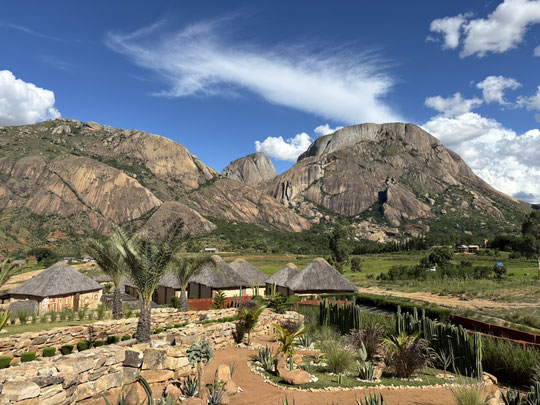
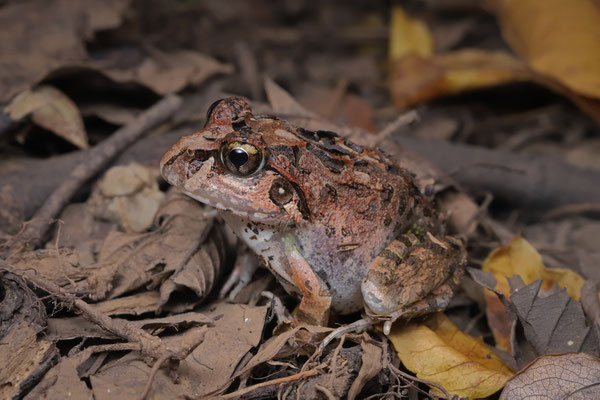
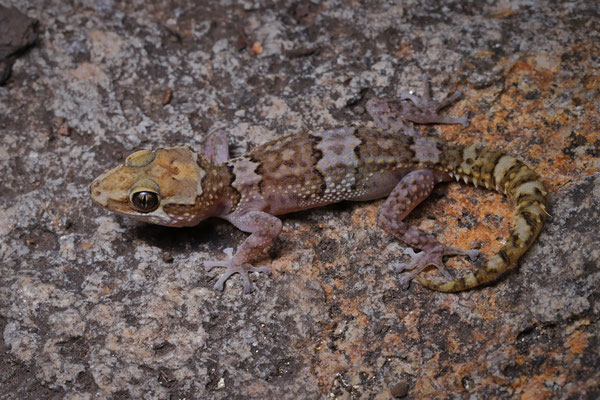
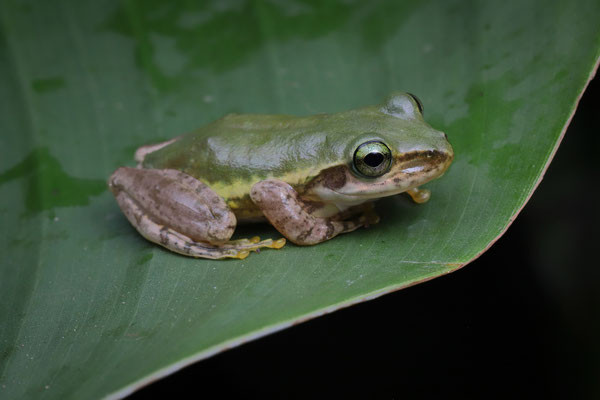
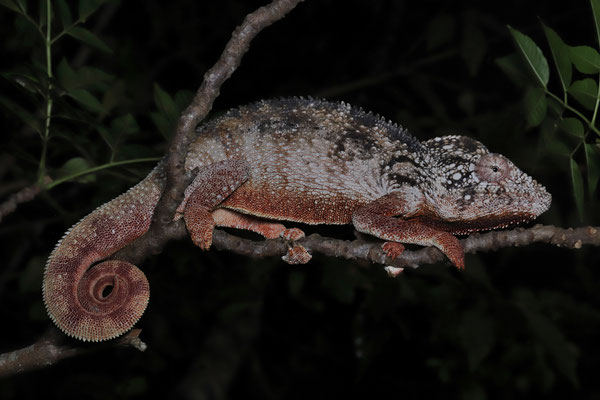
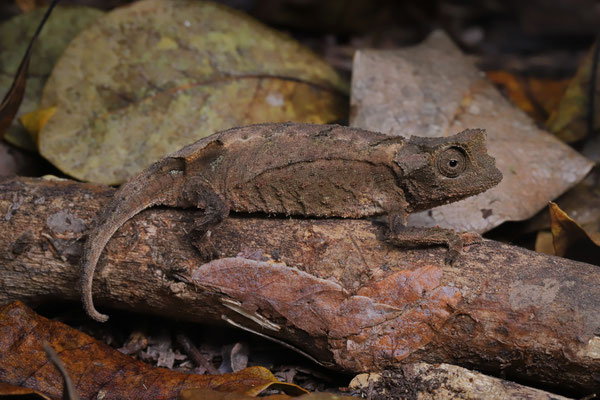
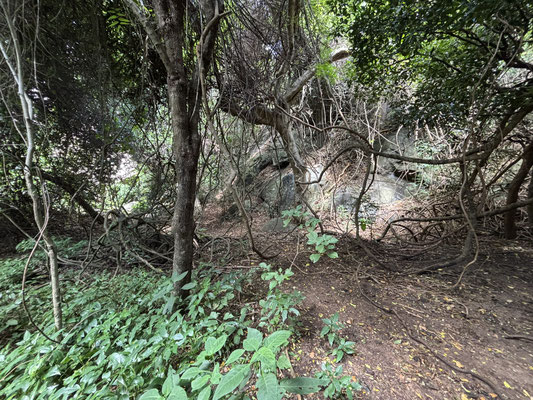
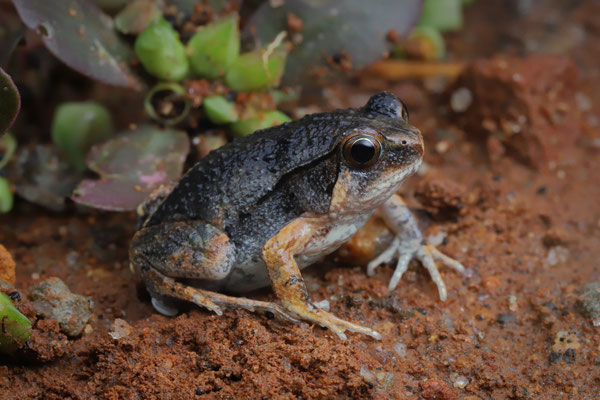
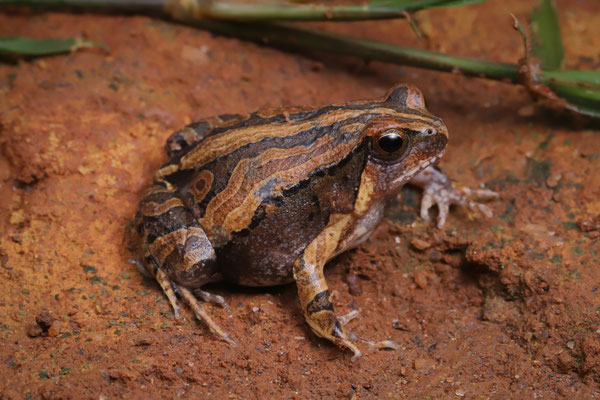
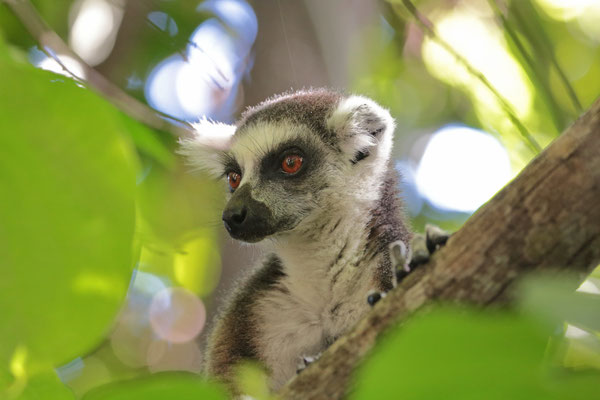
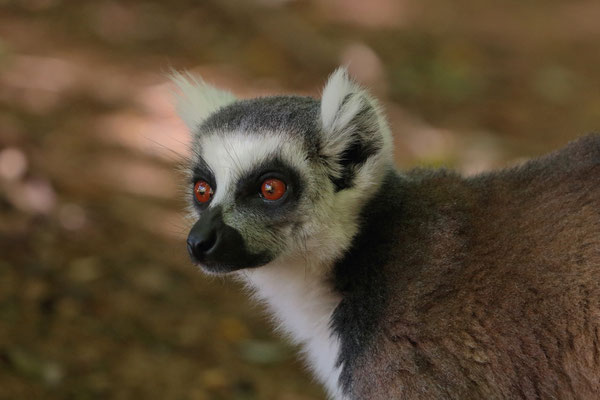
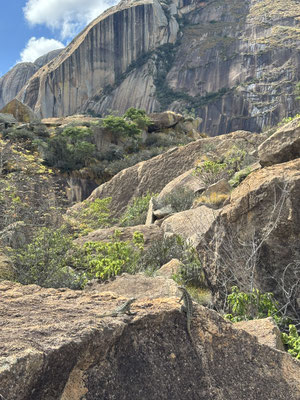
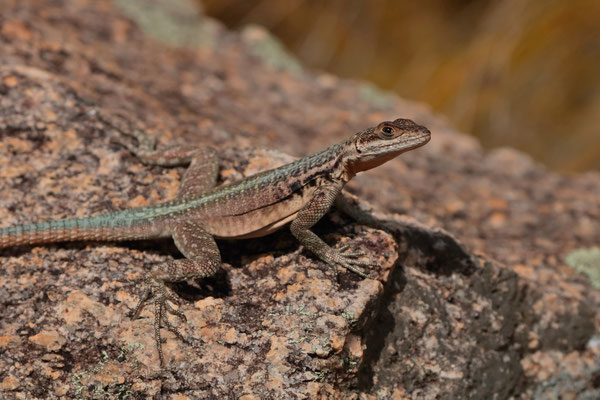
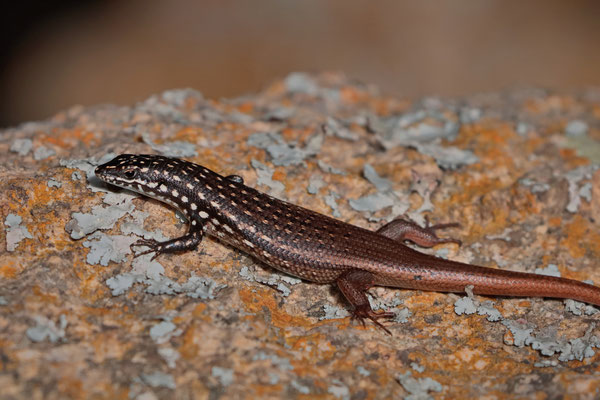
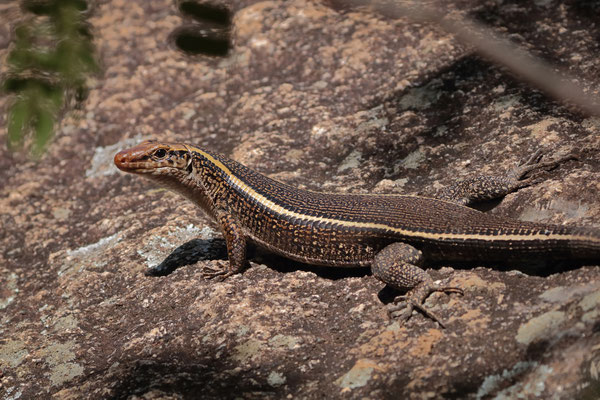
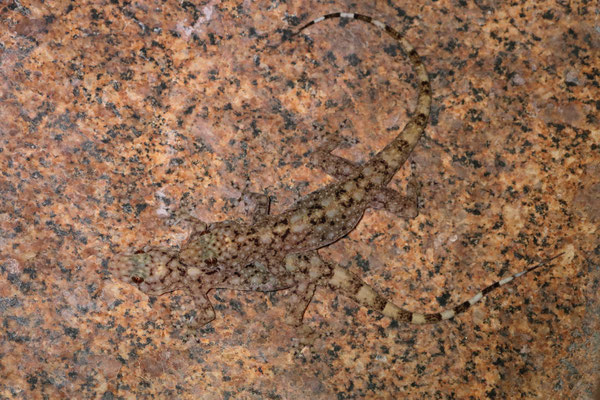
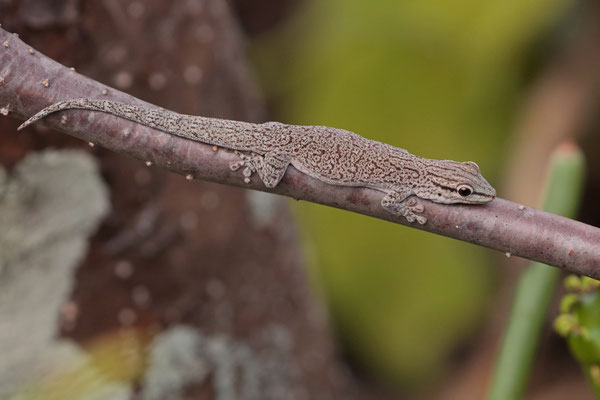
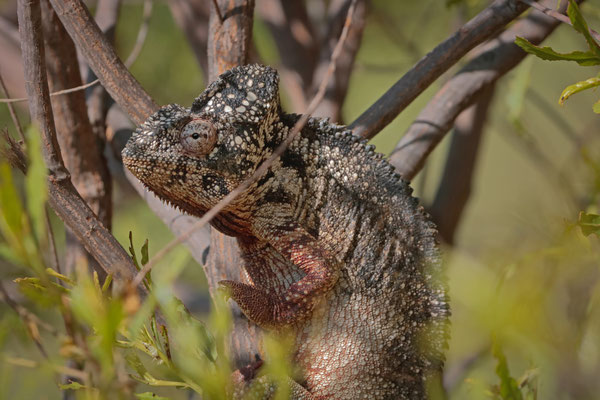
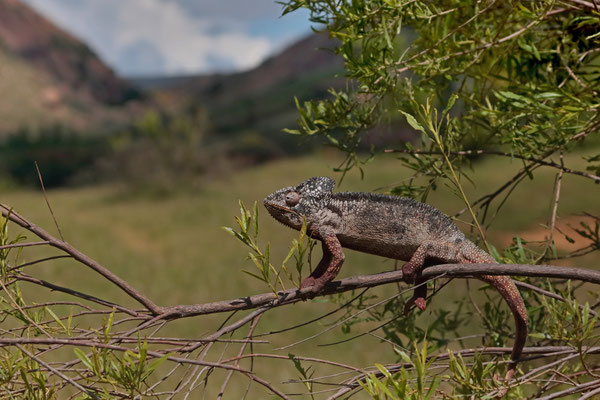
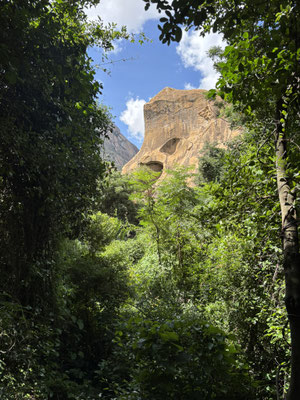
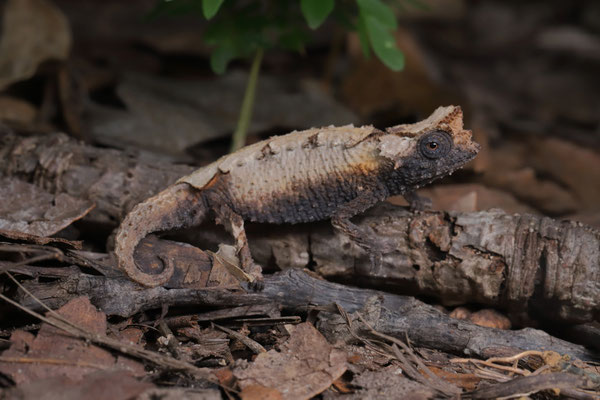
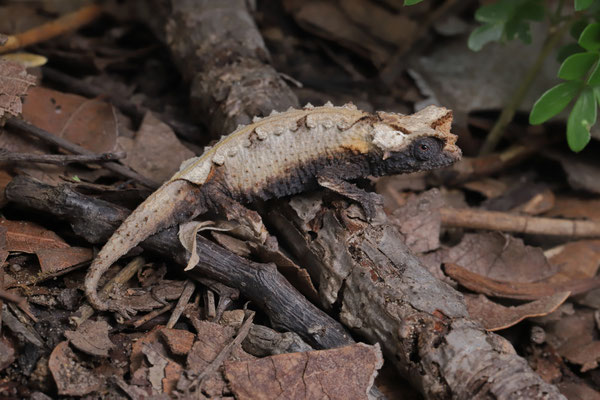
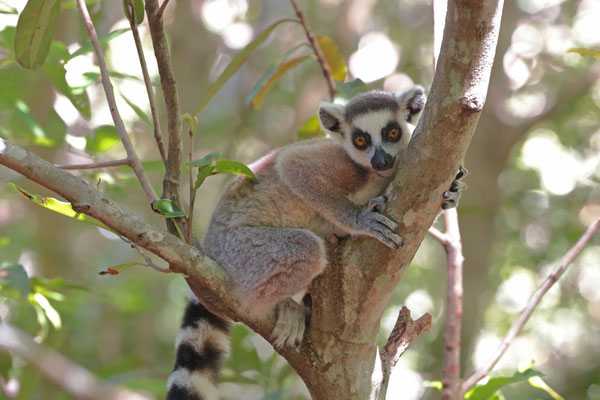
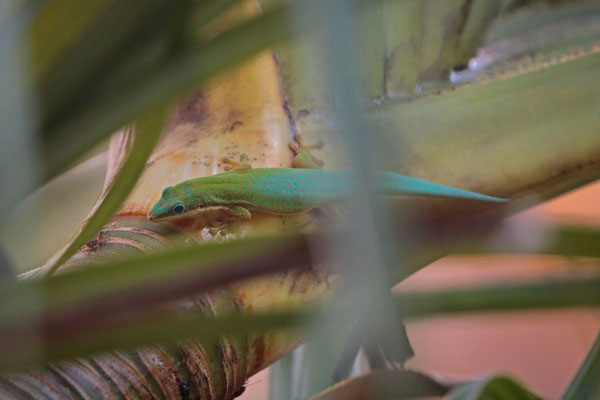
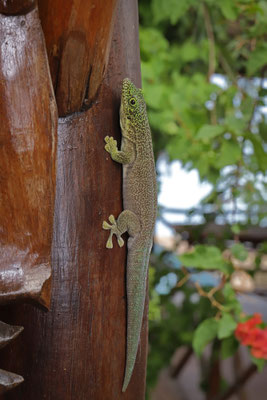
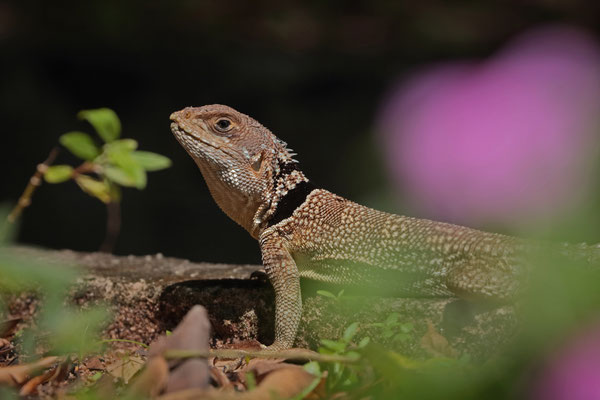
The tiny Anja Community Reserve is nestled between steep granite cliffs towering high over the landscape. Between the big boulders is a small forest which is home to the highest concentration of Ring-tailed Lemurs (Lemur catta) of the island and some very interesting endemic reptiles. Wouter, Flip and Jarry went into the Andringitra Mountains after one night here, but Laura and I had a bit more time to explore this unique ecosystem. For us the main attraction were the chameleons (of course!) and with the help of local guide Sam and his friends, we readily saw several massive Oustalet's Chameleons (Furcifer oustaleti) and the endemic Anja Leaf Chameleons (Brookesia brunoi) which are only found in this tiny forest. On our last evening here I searched alone on a grassy slope above our excellent lodge and found Southern Carpet Chameleon (Furcifer major) as an addition to our list. And also several mysterious frogs which nobody seems to know... At Anja we also came across several big snakes again, and found another Madagascar Ground Boa (Acrantophis dumerili) and a Western Madagascar Tree Boa (Sanzinia volontany). On every night we stayed here we had rain and this definitely brought out frogs such as Laliostoma labrosum, Ptychadena mascareniensis, Boophis tephraeomystax, Heterixalus luteostriatus and even Bronze Mantella (Mantella betsileo). On one particular rainy evening we even saw many Moquard's Burrowing Frogs (Scaphiophryne calcarata) in all different colours and sizes. In the mornings and evenings we searched for lizards in trees such as Anja Day Geckos (Phelsuma gouldi) and lizards on the rocks such as Oplurus quadrimaculatus, Oplurus grandidieri, Zonosaurus laticaudatus, Paroedura rennerae, Paragehyra felicitae and Boulder Mabuyas (Trachylepis vato).













Isalo National Park
From the 18th until the 23rd of February 2026
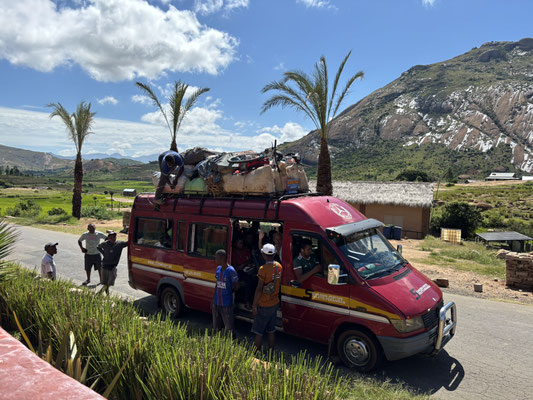
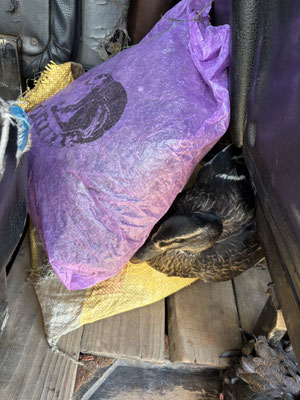
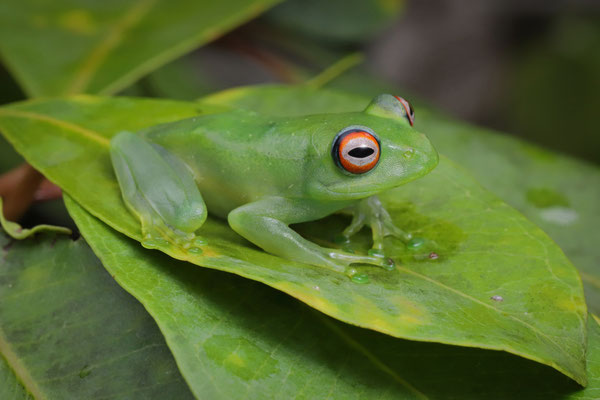
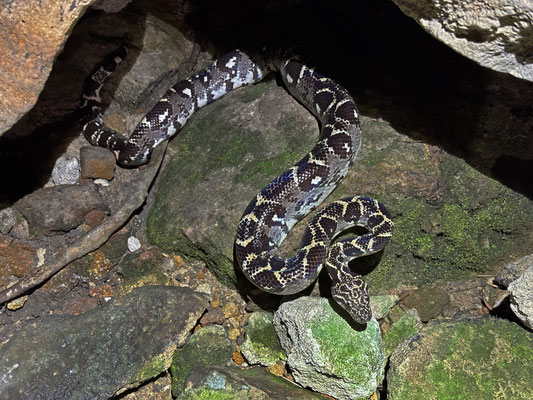
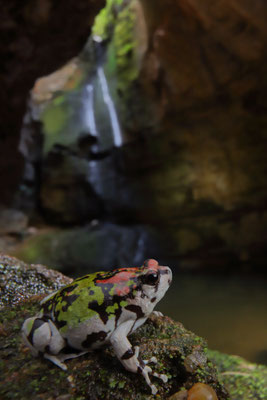
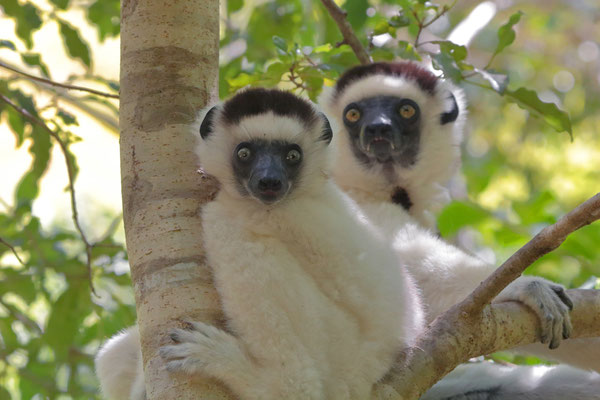
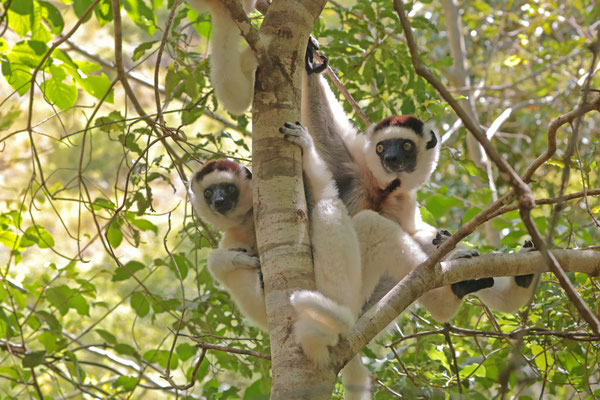
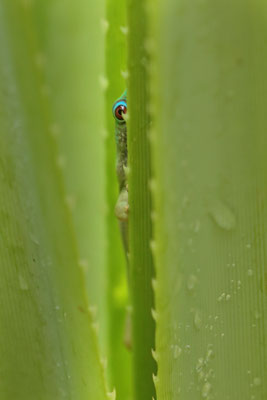
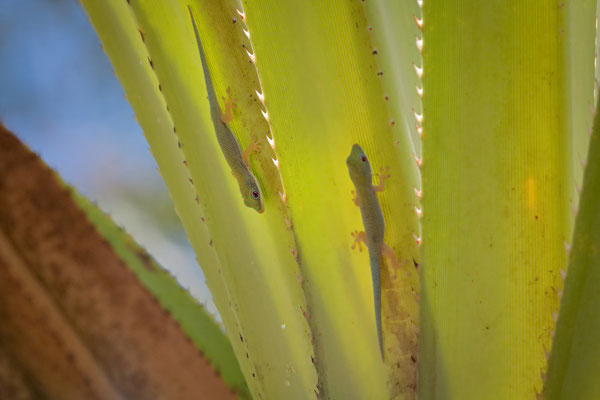
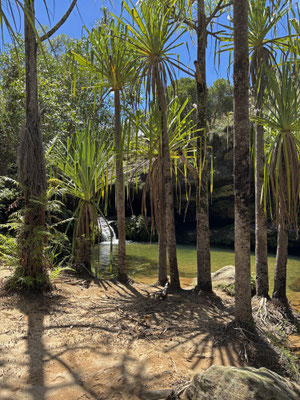
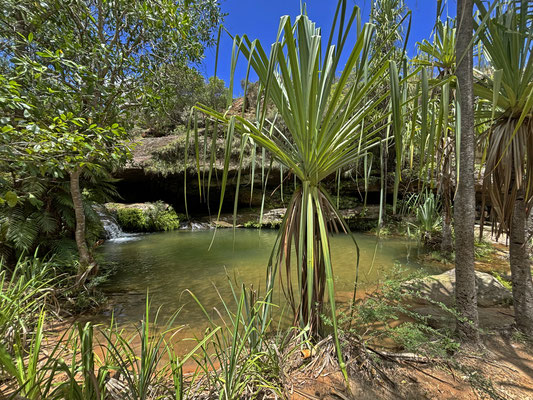
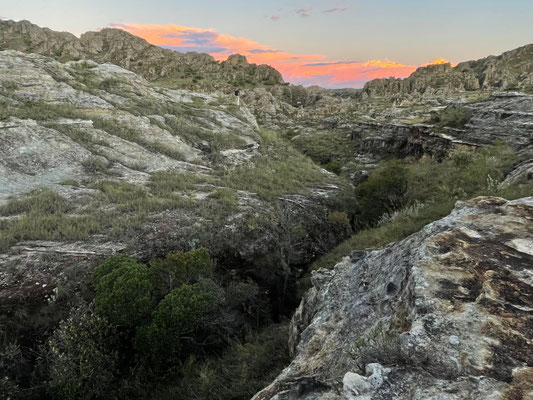
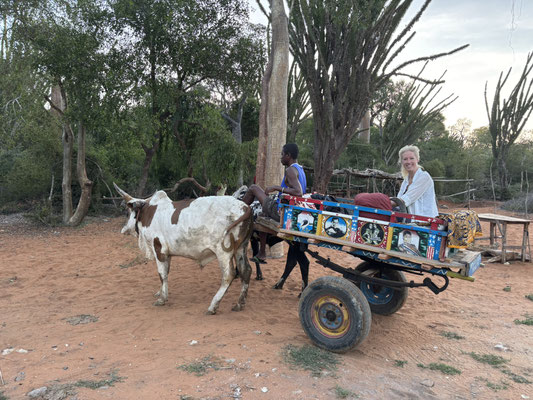
With Wouter, Flip and Jarry still up in the mountains, Laura and I took the local taxi-brousse to reach Ranohira. It would be a day to remember. We knew the taxi-brousse wouldn't be the most comfortable way of transport, but there were no other options. We reserved an entire row for us and our luggage and waited along the road for the bus to arrive. It should have come at 9, but arrived at 10. The entire row for us, meant only that we were the only adults with no other adult on their laps. An incredible 30 people (and 2 ducks) were crammed into the small, hot and dusty van. The luggage went on the roof "because it won't rain today", which of course it did. The 4 hour drive to Ranohira was eventually 7 hours long and when we finally arrived we were completely done. What a ride! But the next day we met up with local naturalist Rowland who is an absolute expert of the area and could finally explore. Isalo is the most visited national park in Madagascar and we could clearly see why. The rugged landscape with grassy plains interspersed with Satrana palms, deep canyons with permanent streams lined with Pandanus palms and an impressive biodiversity, draws people from all over the world. Luckily in the rainy season there are not many other tourists and we barely saw other people. But what we did see was the abundant wildlife. Lizards such as Trachylepis gravenhorstii and Oplurus cyclurus were seen on the rocks, while Thicktail Day Gecko (Phelsuma mutabilis) were seen in the trees. Morondava Day Geckos (Phelsuma hielscheri) are habitat specialists and were only seen in Pandanus palms. Also chameleons were found and we saw several Furcifer oustaleti, Furcifer lateralis and Furcifer major. With the eagle eye of Rowland, we could also observe several Brygoo's Leaf Chameleons (Brookesia brygooi), while a family of Verreaux's Sifaka (Propithecus verreauxi) was sleeping in the tree above our heads. A Malagasy Red-eyed Tree Frog (Boophis luteus) provided another highlight. What a day! We had to shelter under our umbrellas for a small hour as it started raining very heavily. We got wet, but nothing could spoil the fun. If anything, we really got our hopes up for a very special frog that can only be found here... We drove back to our lodge, spotted some mami nunu in the stream and after a delicious pizza dinner, we set out again to explore a very narrow canyon. The rains returned and also brought thunder and lightning with them. Soaking wet from the rain, we searched the narrow canyon. Above our heads, lightning flashed and thunder crashed, bats were flying along the steep cliffs and thousands of tiny flies were flying in our eyes and noses. But then Laura spotted an absolute gem of a frog and we couldn't believe our eyes when we were looking at a Malagasy Rainbow Frog (Scaphiophryne gottlebei)! This rarely seen species only lives in places like where we were, and only emerges under conditions like we had. It is endemic to Isalo and rarely seen. Such luck! The steep overhanging cliffs provided shelter from the rain and we could take some pictures under the overseeing eye of another Sanzinia volontany which was laying in ambush for bats. Absolutely magical evening!
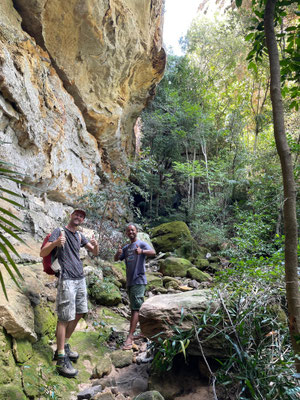
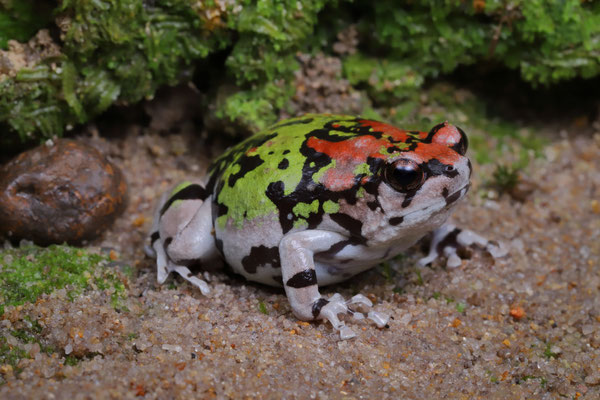
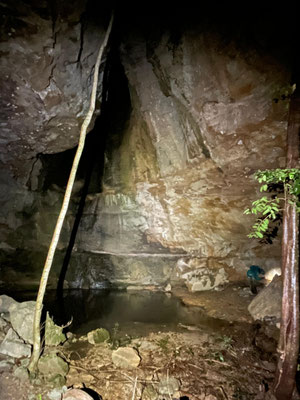
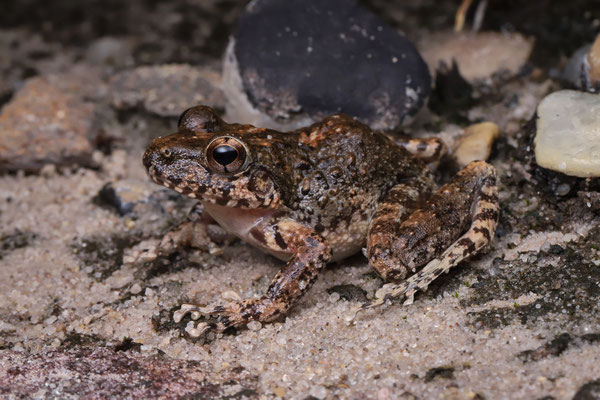
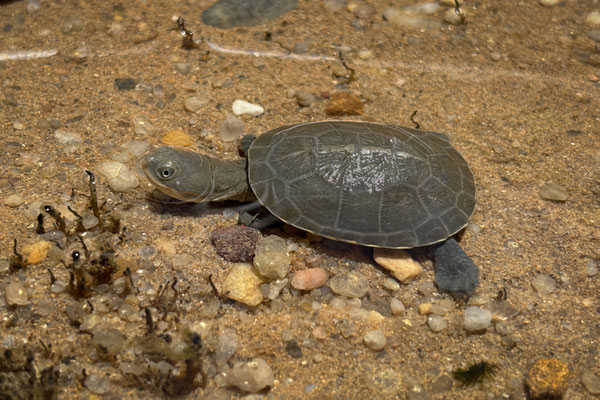
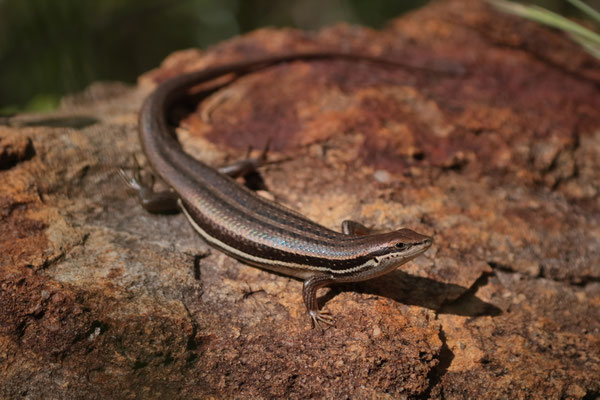
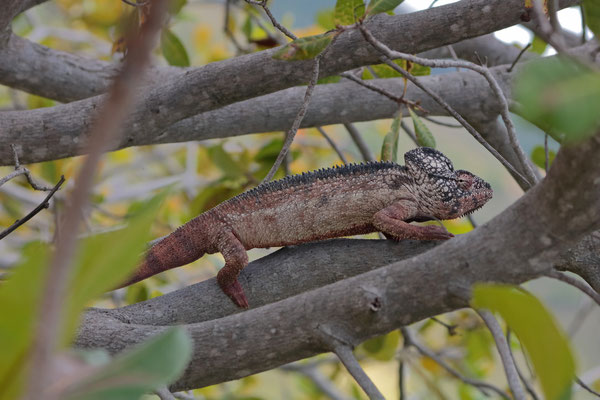
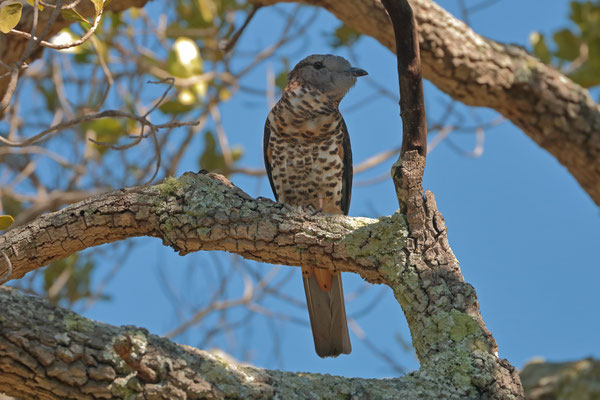
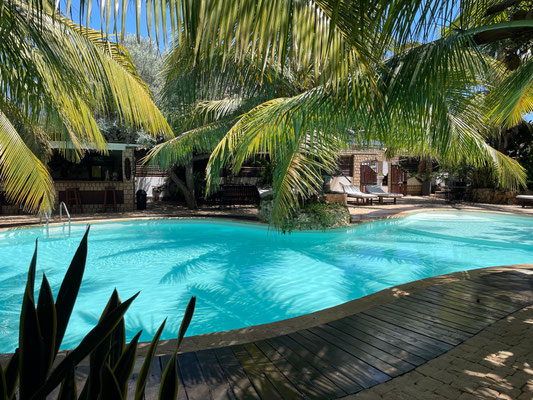
The next day we switched accommodations and after some relaxation at the pool we reunited with a very tired, but very happy team that returned from their mountain expedition. We all decided that some rest and relaxation was very welcome, so after a day at our excellent hotel, we could hit the field again with renewed energy levels. We explored multiple canyons and herped along perennial and ephemeral streams. Although we saw some familiar faces again, also new species turned up such as Pelomedusa subrufa, Trachylepis elegans, Trachylepis nancycoutae, Lygodactylus tuberosus, Dromicodryas bernieri and Mimophis mahfalensis. We enjoyed the hell out of this place and one particular swimhole turned out to be an especially good place to combine herping, swimming and relaxtion. On the last afternoon we put a lot of effort in finding mantellas, but the season was sadly not right for these frogs (at least not in this area) so sadly we didn't find them. Only a Gephyromantis kintana turned up, and Laura found even another Malagasy Rainbow Frog (Scaphiophryne gottlebei)! That was the perfect ending to our time in this wonderful place. Thanks a lot for showing us around Rowland and see you next time! Maybe then we get to visit the Window of Isalo for loads of selfies!























Zombitse-Vohibasia NP
The 23rd of February 2026
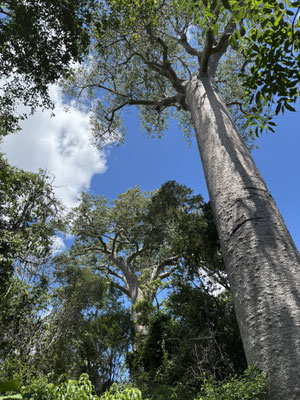
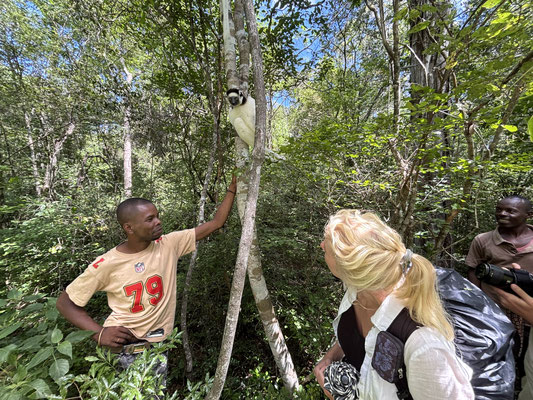
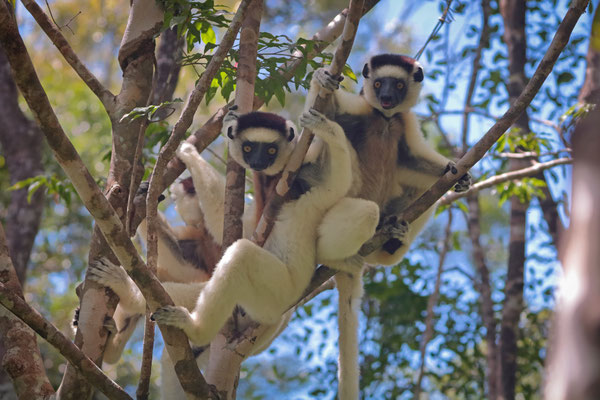
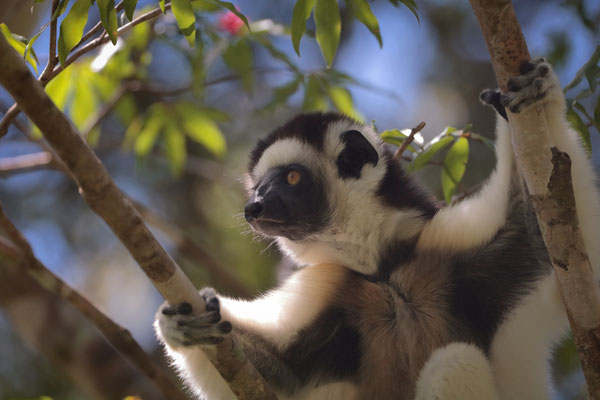
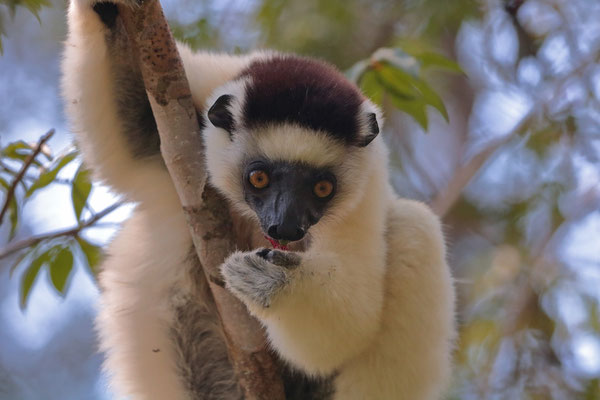
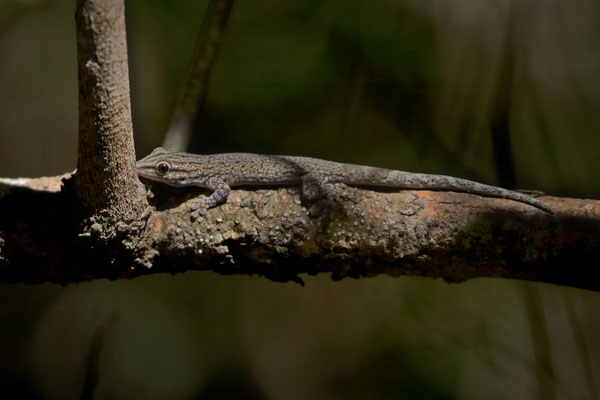
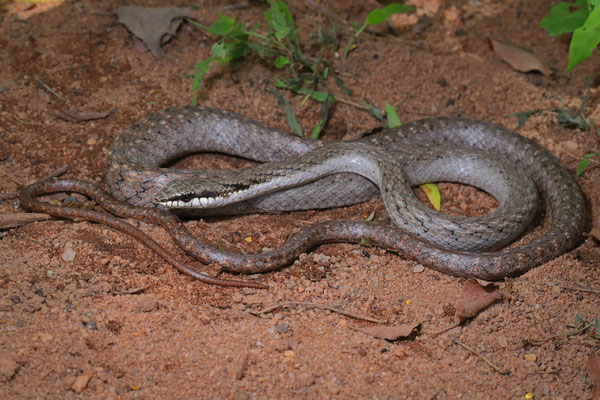
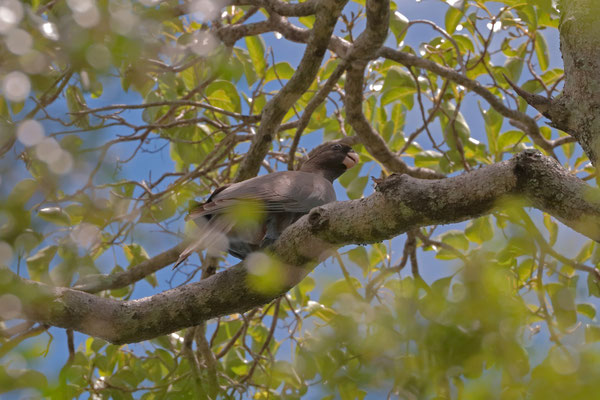
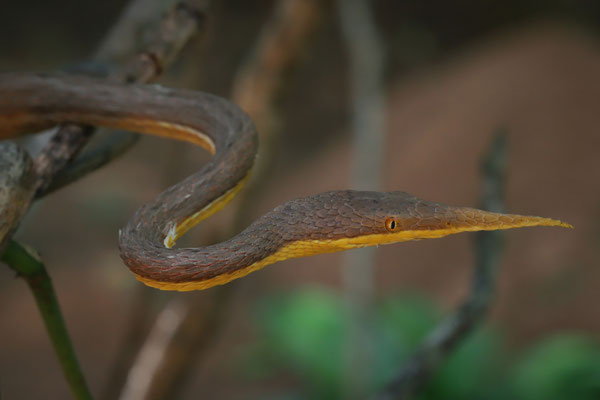
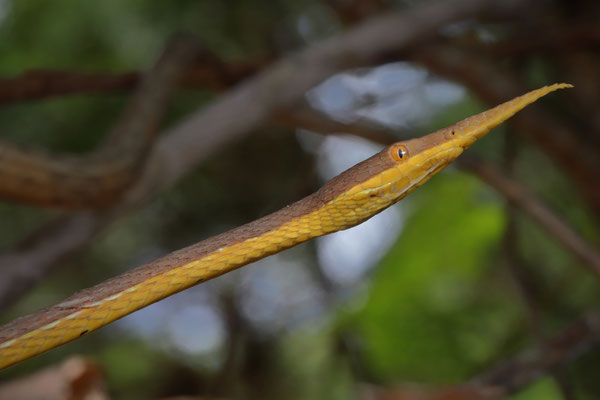
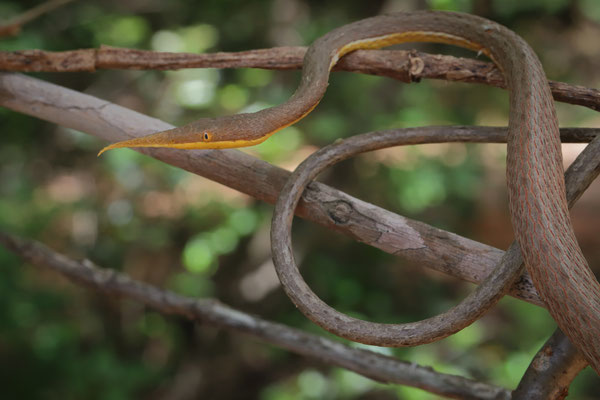
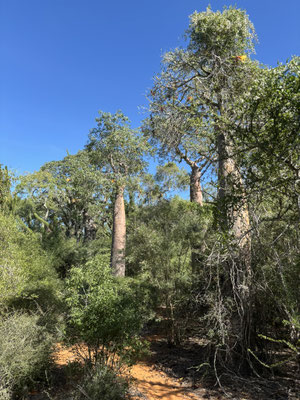
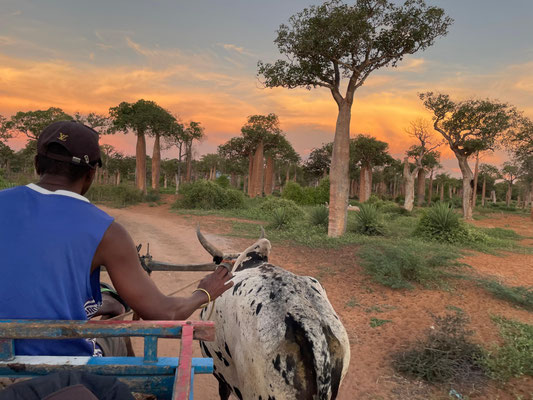
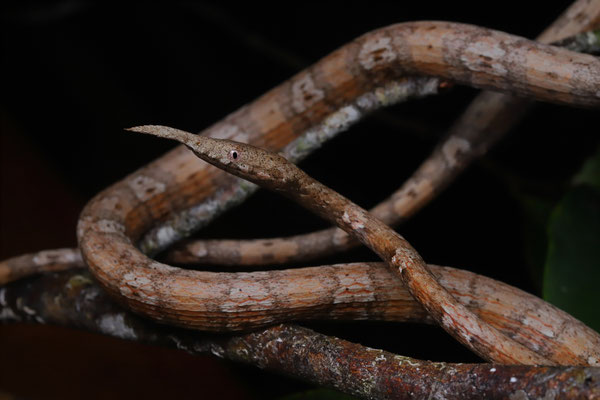
The road from Isalo to Toliara is in an exceptionally bad shape. Luckily we did have some time to spare to explore the Zombitse NP, even for a short while. Between the dense succulent woodlands and baobabs we searched for animals and we were not disappointed. We found ourselves in the middle of a family of Verreaux's Sifaka (Propithecus verreauxi) that were playing right above our heads and saw a couple of Lesser Vasa Parrots (Coracopsis nigra) singing in a tree. While that was already great, we also saw adult and juvenile Standing's Day Geckos (Phelsuma standingi) which are our new favourite geckos. We saw multiple Trachylepis gravenhorstii, Lygodactylus tuberosus, Furcifer oustaleti and right before we left a Southwestern Night Snake (Ithycyphus oursi) showed up. And even better, another snake as well... We were joking how great it would be to end the part of the trip together with Wouter and Flip with a Langaha. Never gonna happen of course. Until it did! We couldn't believe our eyes to actually see a Malagasy Leaf-nosed Snake (Langaha madagascariensis) hanging in a tree, hunting for geckos. Incredible! Sadly the road was calling and we had to complete the drive to Toliara before nightfall when the roads becomes dangerous. So we hopped in the car and completed the agonizingly slow drive towards the coast.


Ifaty
From the 23rd until the 28th of February 2026
And then there were two... After a night in Toliara it was time to say goodbye to Wouter, Flip and Jarry who would all make their way back to Antananarivo and back home. Thanks a lot for the excellently organized, fun and highly successful trip guys!
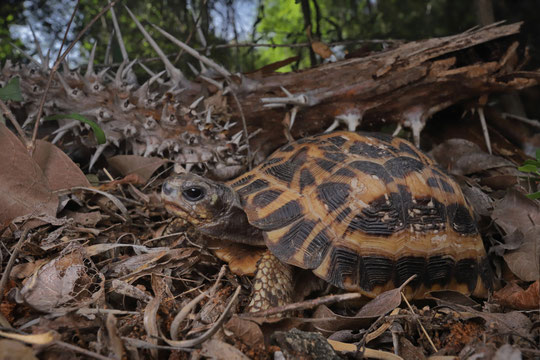
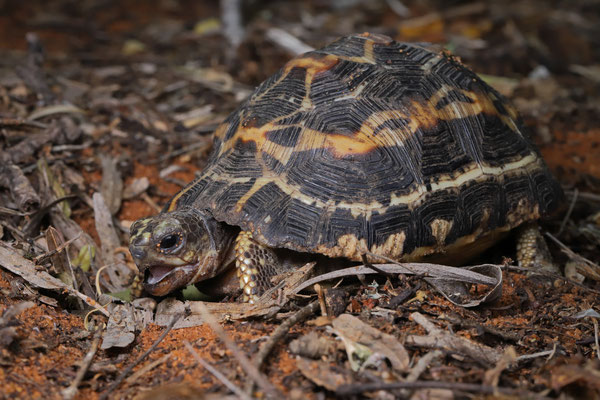
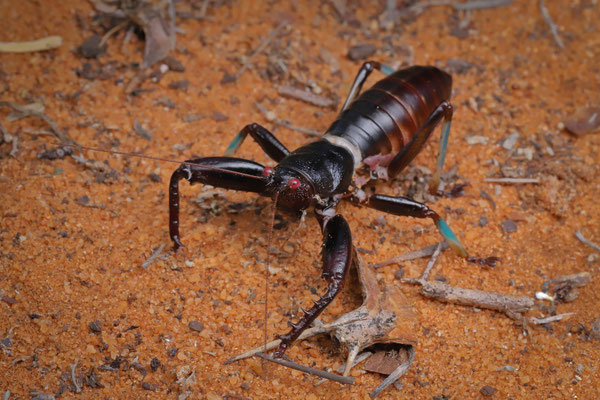
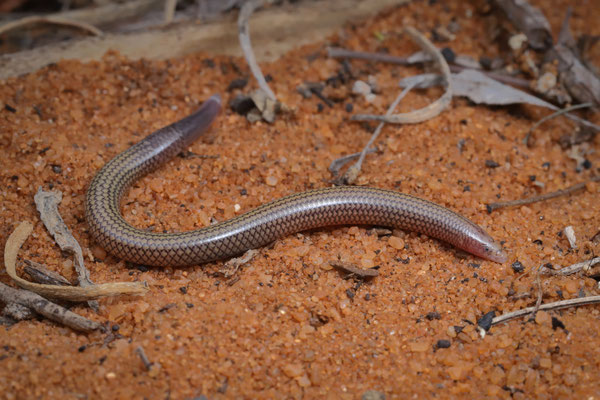
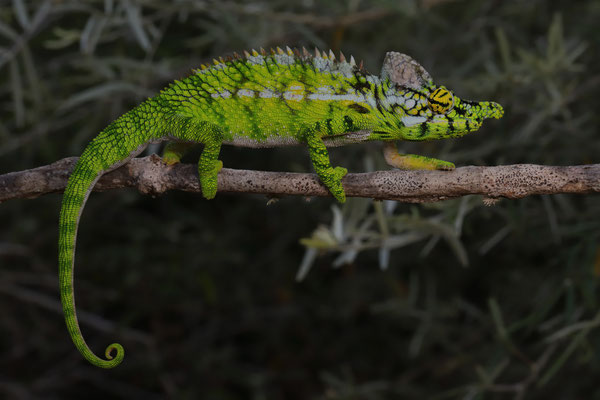
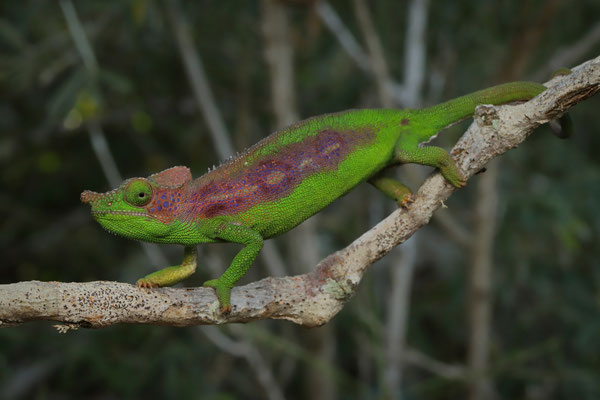
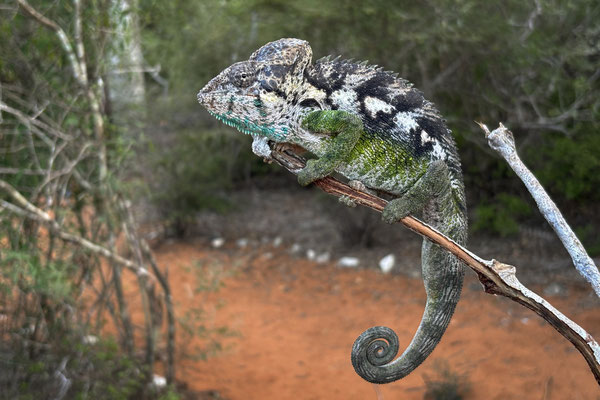
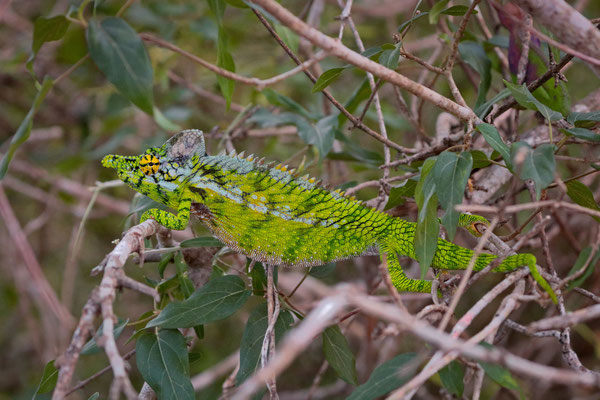
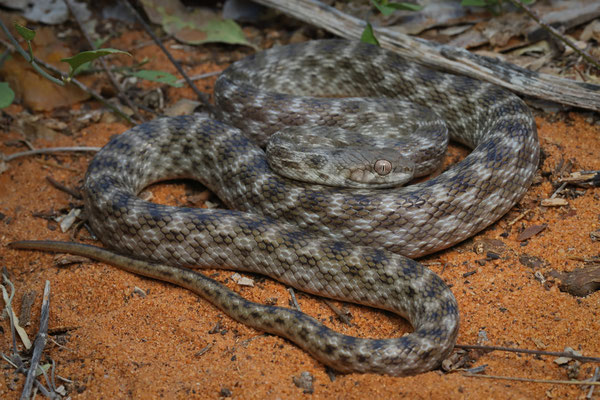
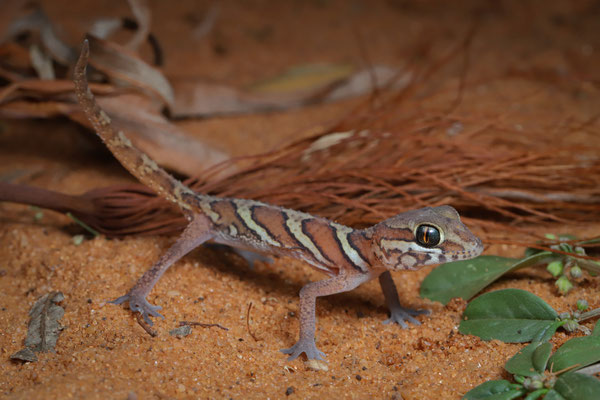
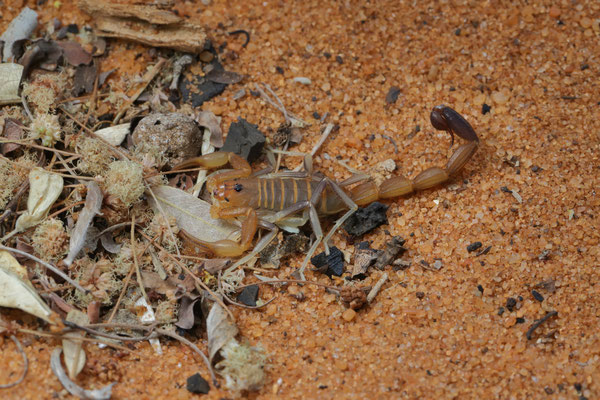
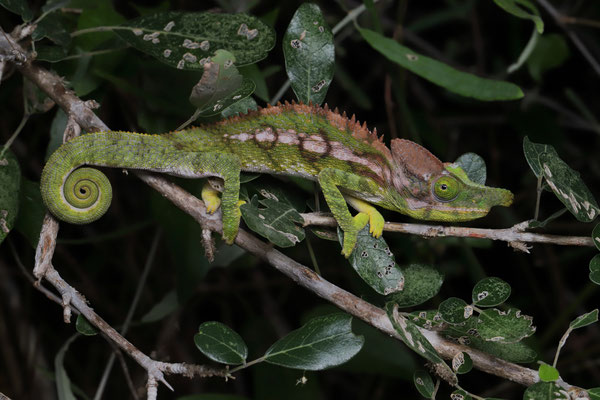
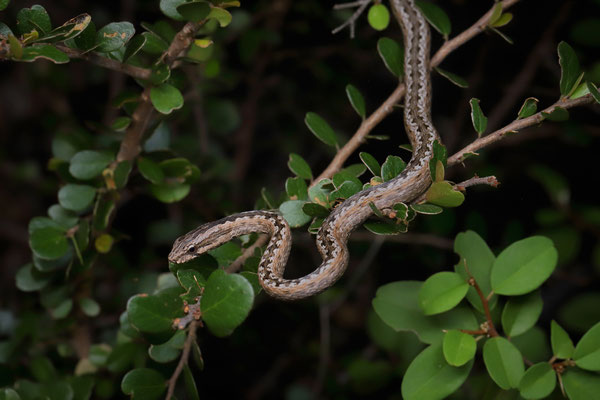
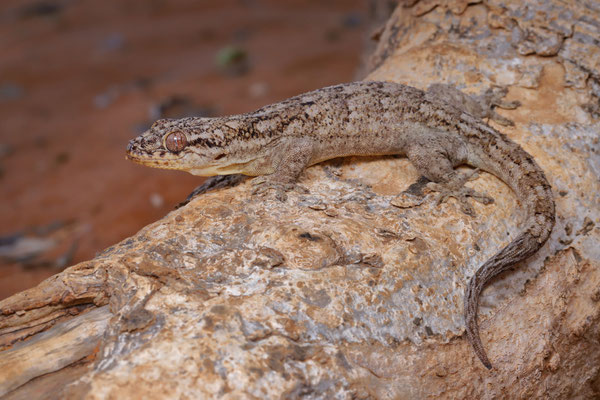
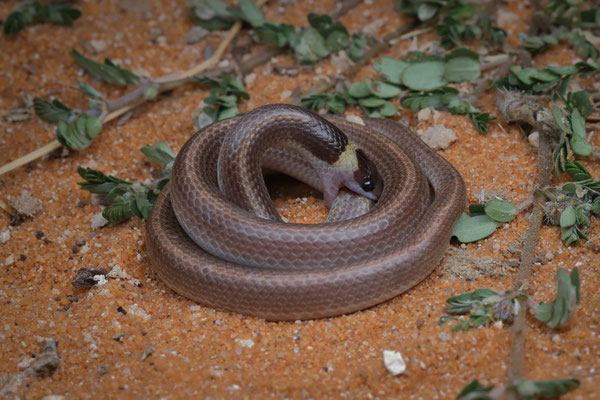
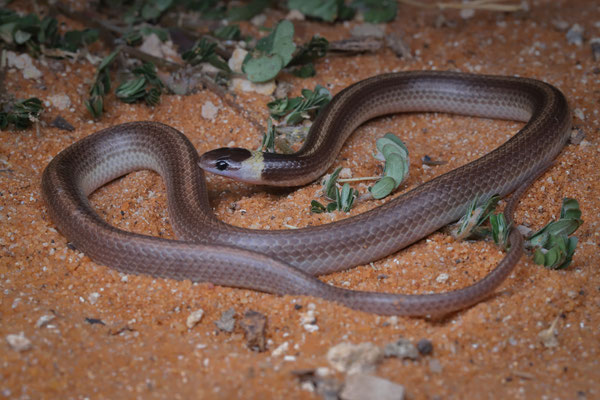
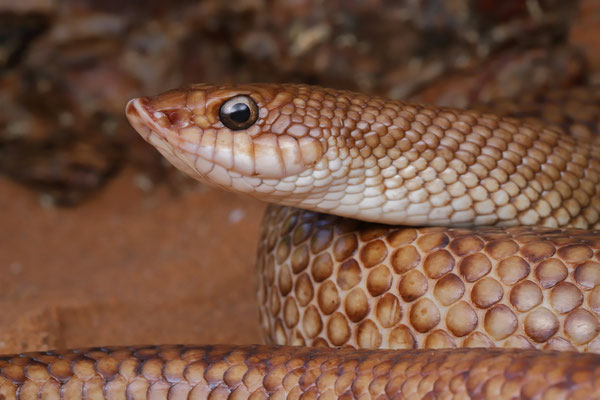
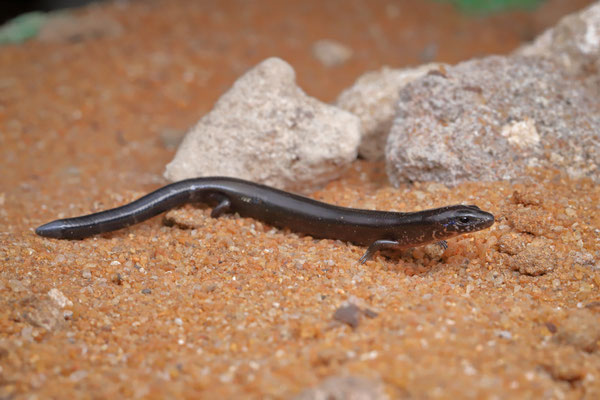
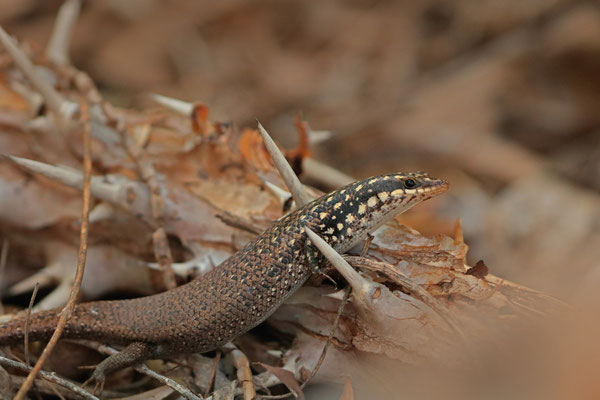
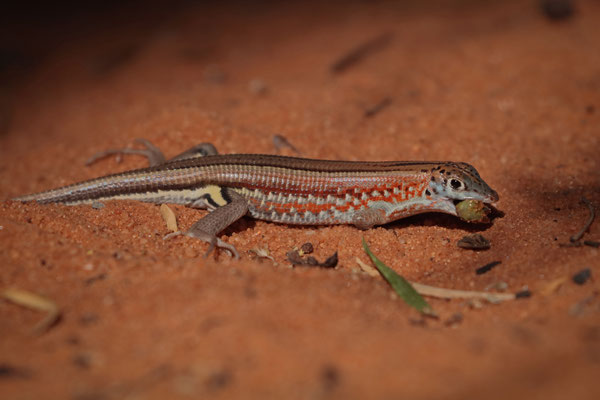
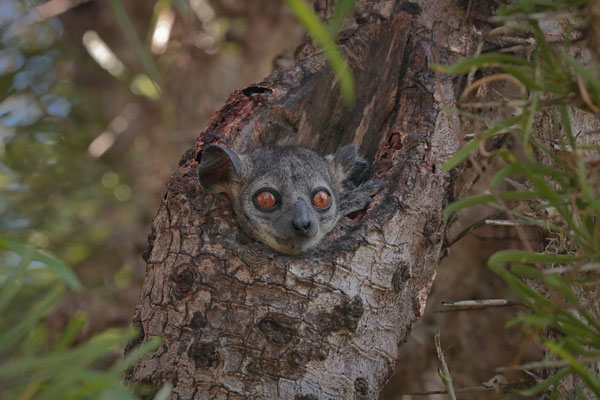
Laura and I took a taxi north towards Ifaty for some well-earned relaxation and to explore the spiny forest of the Reniala Reserve. A relatively new reserve which was founded only in 1997, but boosting an impressive array of species. During our first foray with guides Pedro and Freddie, we could already see a bedazzling amount of species. It was incredible, while photographing chameleons a tortoise walked past and we spotted a snake in the trees. Lizards were everywhere and we were overwhelmed by all this life. We saw several Warty Chameleons (Furcifer verrucosus) and Antimena Chameleons (Furcifer antimena) which were both vibrantly coloured. We saw a couple of Spider Tortoises (Pyxis arachnoides) enjoying their breakfast of dry leafs and additionally saw Chalarodon madagascariensis, Lygodactylus verticillatus, Phelsuma standingi, Phelsuma modesta, Grandidierina lineata, Pygomeles braconnieri, Trachylepis gravenhorstii, Trachylepis aureopunctata, Tracheloptychus petersi, Madatyphlops arenarius, Liophidium chabaudi, Madagascarophis meridionalis and Mimophis mahfalensis. And just before leaving we even saw a sleepy Hubbard's Sportive Lemur (Lepilemur hubbardi) looking out from its daytime retreat. All well worth the early morning! With this spectacular morning we returned after sunset with very high hopes. Strangely at night we didn't see as much as we had thought, but still found both chameleon species, Mimophis mahfalensis, Paroedura picta, Blaesodactylus sarakava and a Light-banded Dwarf Snake (Heteroliodon occipitalis) in a tree. A small snake with the strangest defensive behaviour we have ever seen. This animal kept on biting his own neck, possibly to make it harder for predators to swallow the snake.
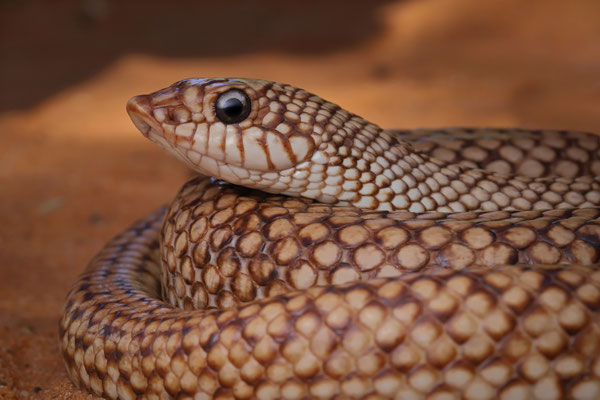
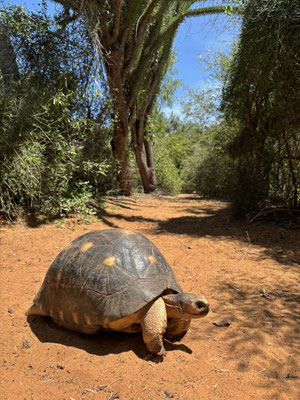
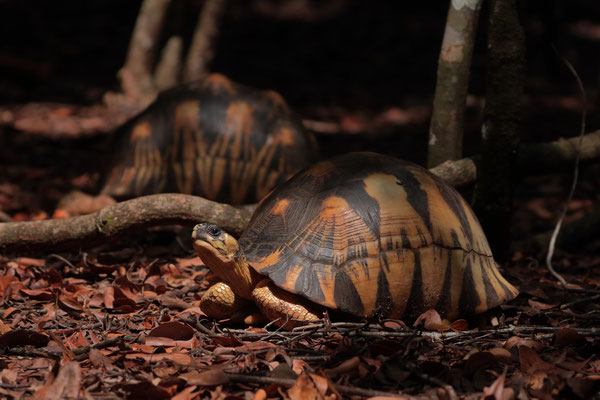
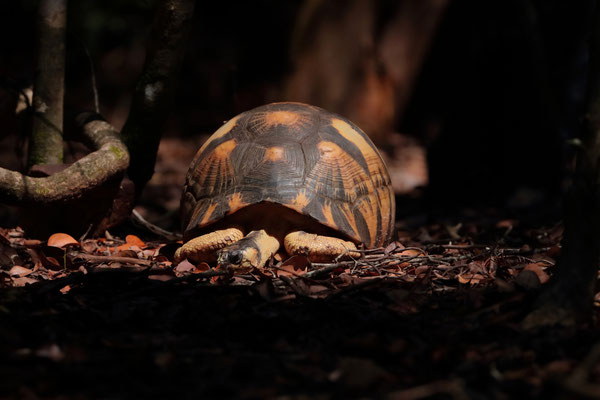
The next morning Pedro collected us from the hotel unexpectedly, to do another round of spiny forest exploration. We didn't plan on it, but we are happy we went, as we got to see two other species we had really hoped to see. We first saw two big and beautiful Speckled Hognose Snakes (Leioheterodon geayi) and we got to see Radiated Tortoises (Astrochelys radiata) up close. Already so happy with all we had seen, the remaining time here, we mostly enjoyed the comforts Hotel Bella Donna had to offer. Swimming pool, hotdogs and a climatized room. Perfect! Though I did feel a bit odd being the only white guy whose companion is also white (or at least roughly the same age)...
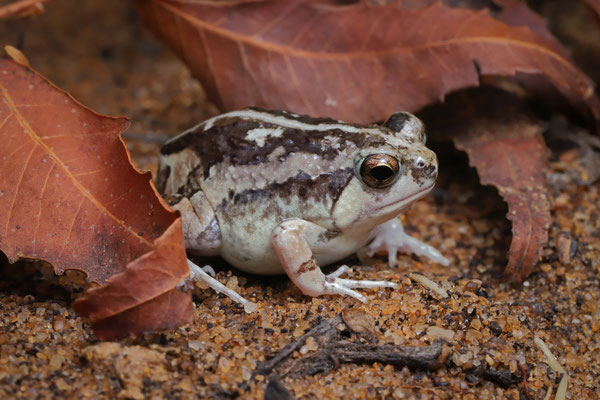
Despite relaxing at the hotel, at night we couldn't resist to go out and herp though and we explored several hotel gardens. First of all so we wouldn't have to pay for a guide every day, second of all, because we had hoped to see Matoatoa which are known to live at the coastal strip. Although we didn't get lucky with that particular gecko, we could add some extra species to our list such as Flexiseps ornaticeps, Mahafaly Fish-scale Geckos (Geckolepis typica), Voeltzkow's Snake-eyed Skinks (Cryptoblepharus voeltzkowi) and Laura worked her magic again and found a Brown Rain Frog (Scaphiophryne brevis) despite not having any rain. Leaving the safety of the hotel grounds without a guide came with its challenges though. The moment you step foot outside, local people will offer you endless coconuts, snorkel tours, lobsters, massages or whatever you want. But we never felt unsafe, and after a few dozens times of saying "no thank you", they left us alone. We had a wonderful time here, but after four nights it was time for us to catch a plane back to Tana for part II of our Madagascar trip.



















Andasibe-Mantadia NP
From the 2nd until the 5th & from the 9th until the 10th of March 2026
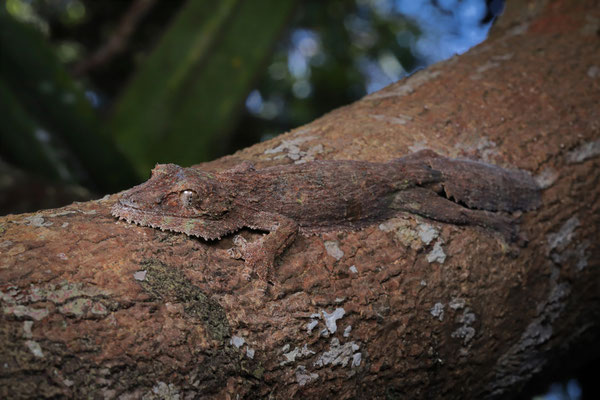
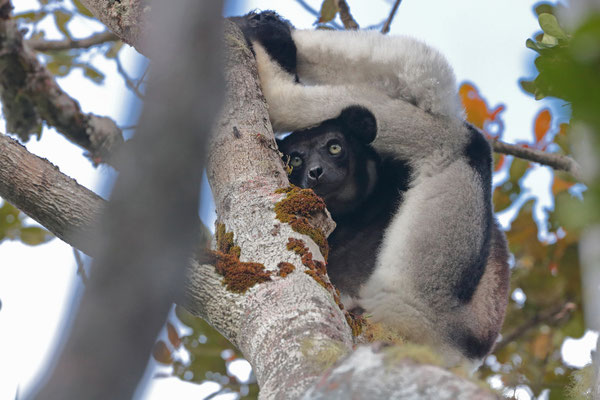
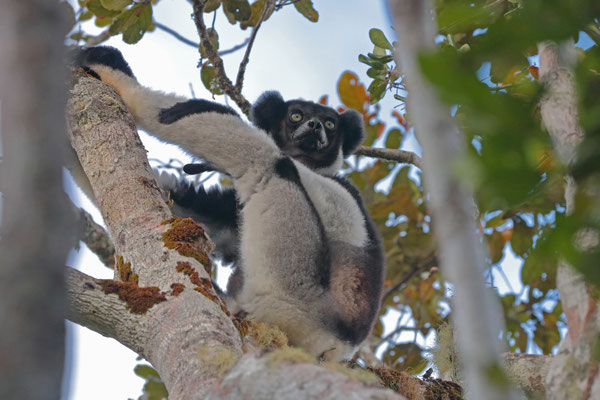
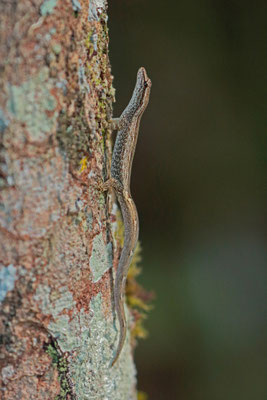
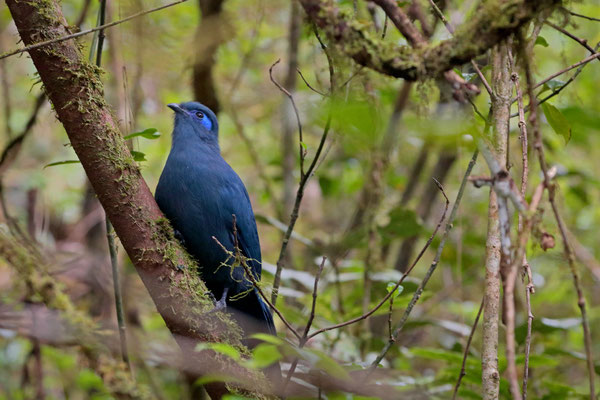
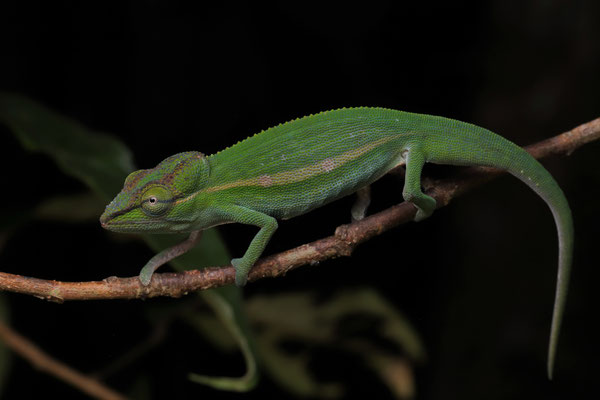
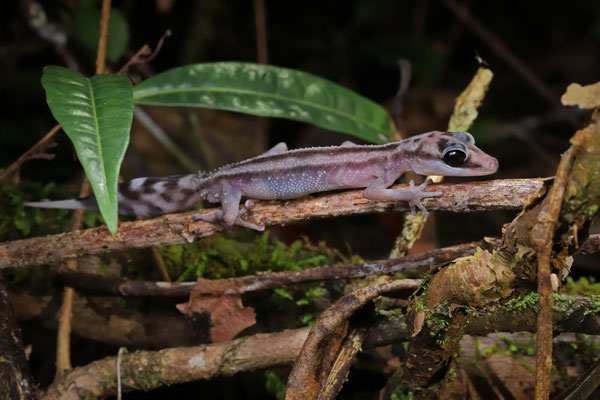
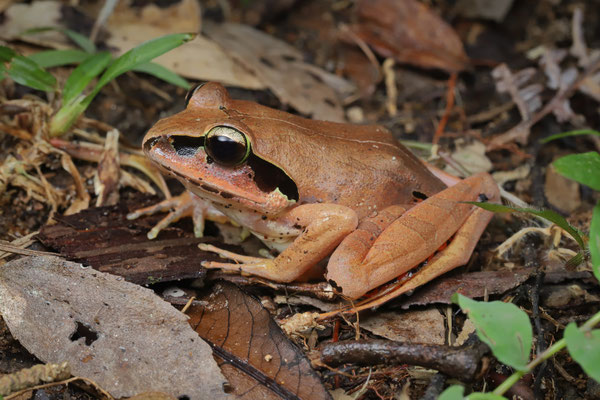
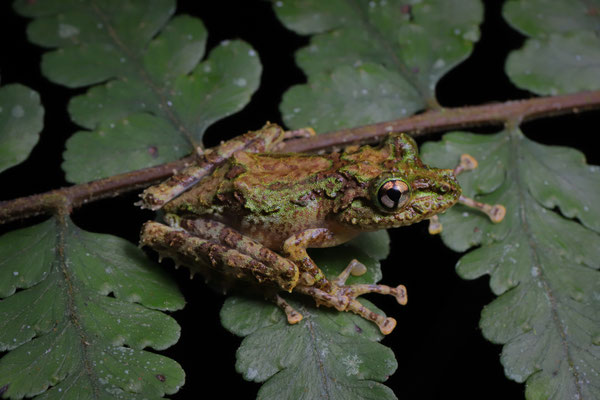
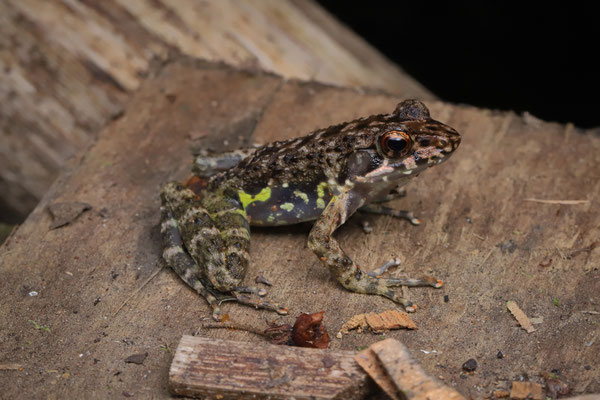
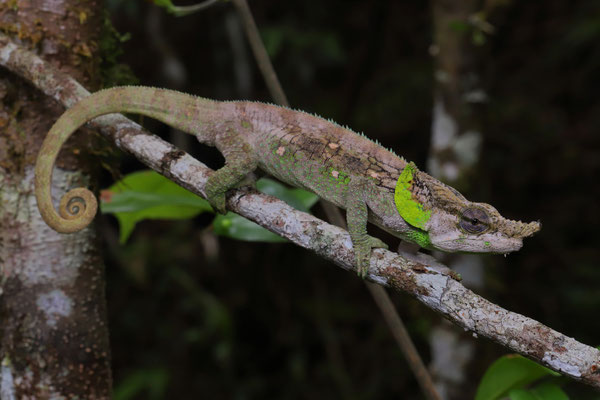
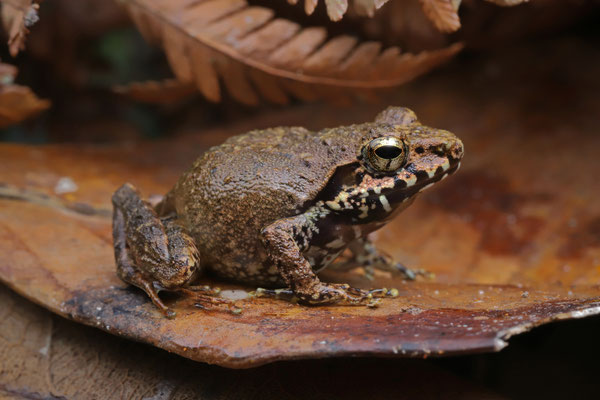
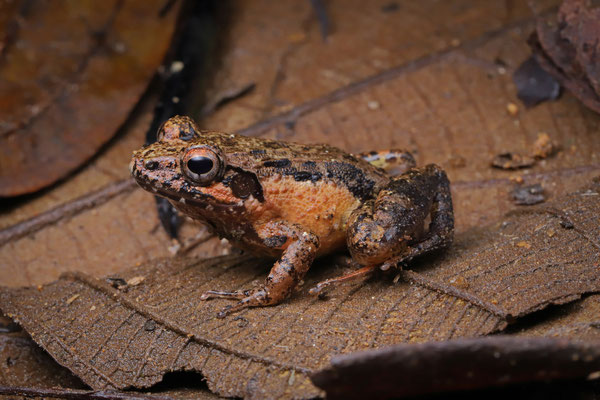
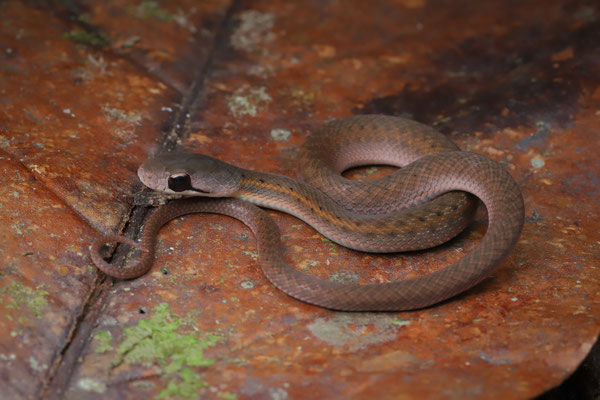
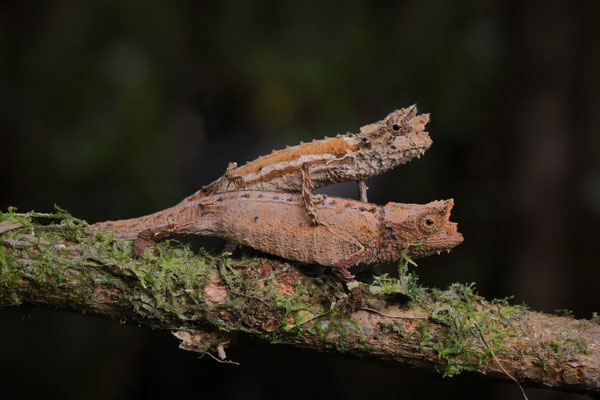
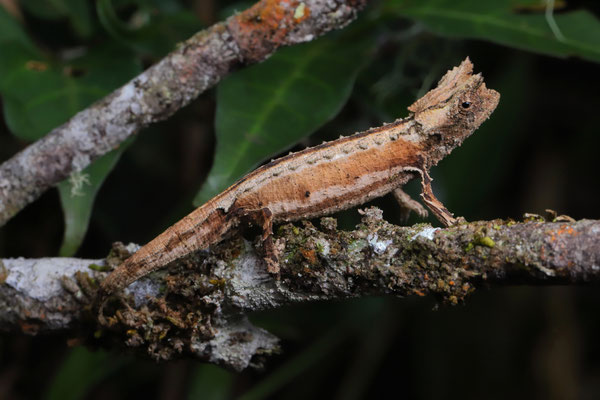
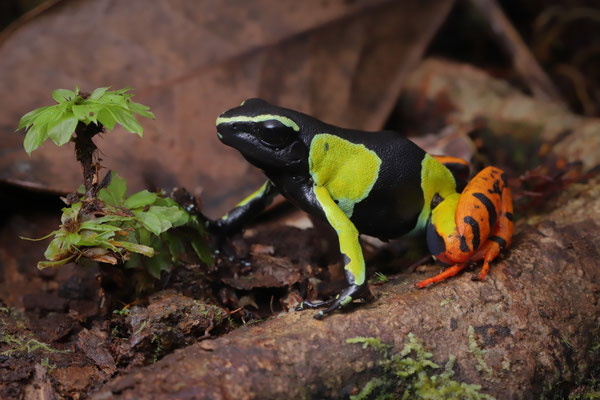
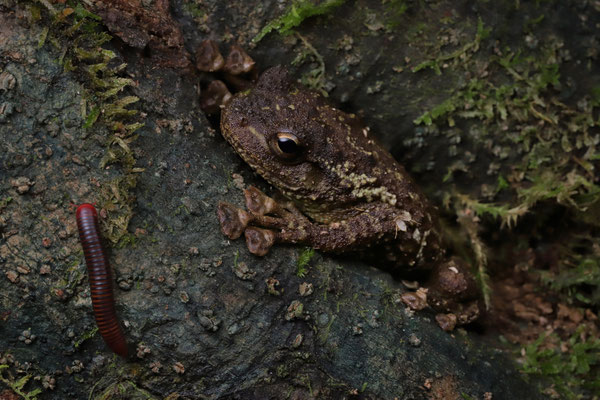
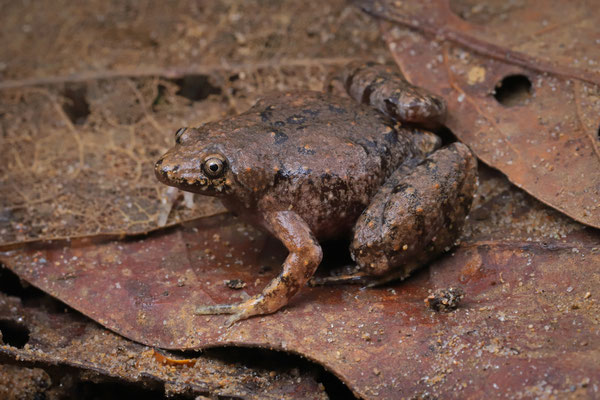
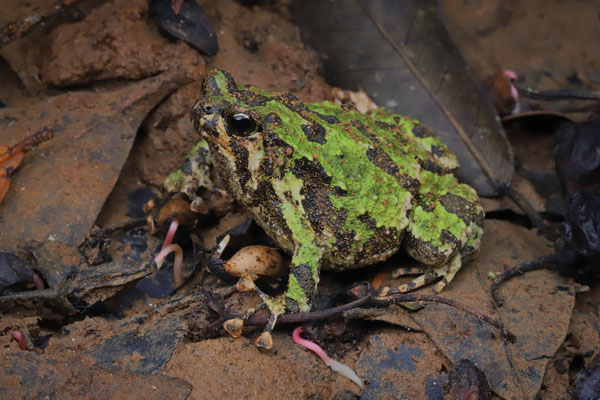
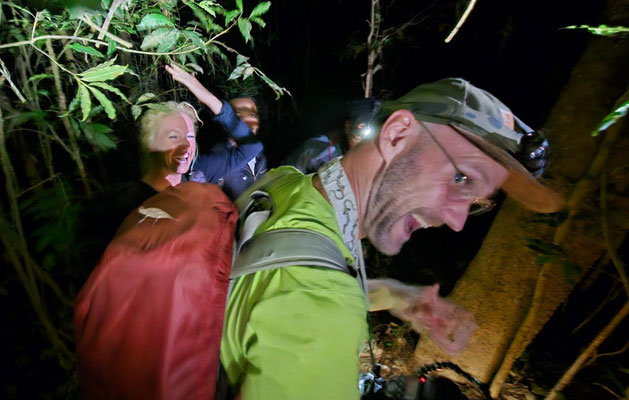
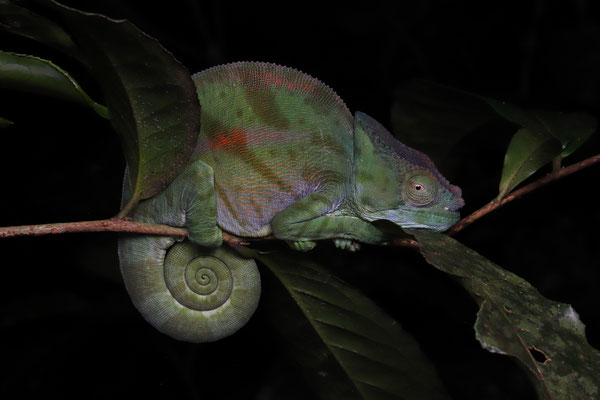
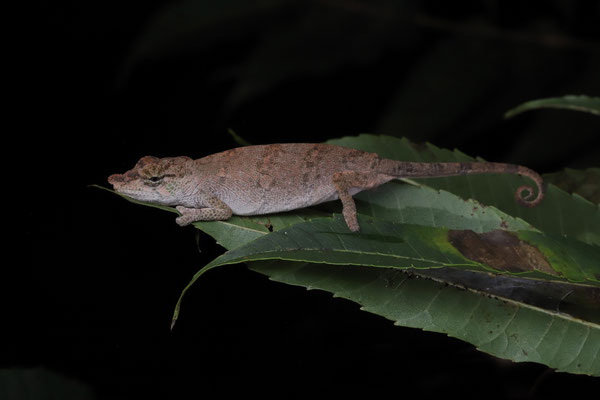
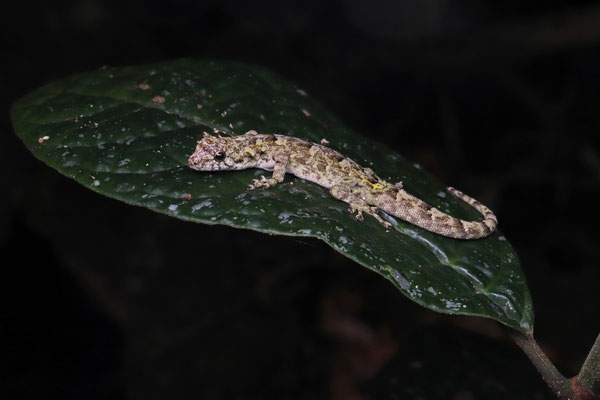
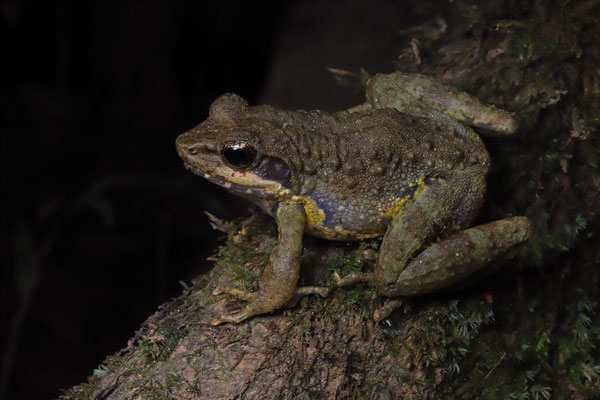
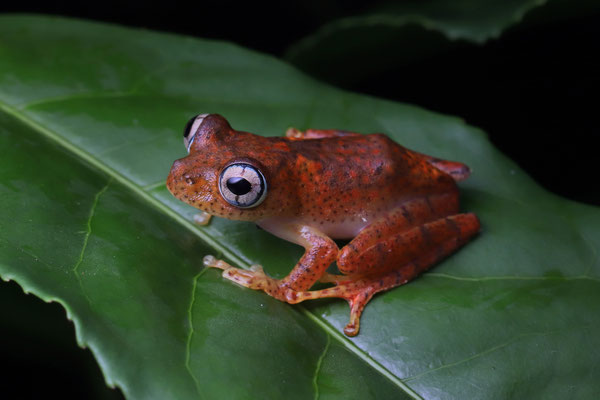
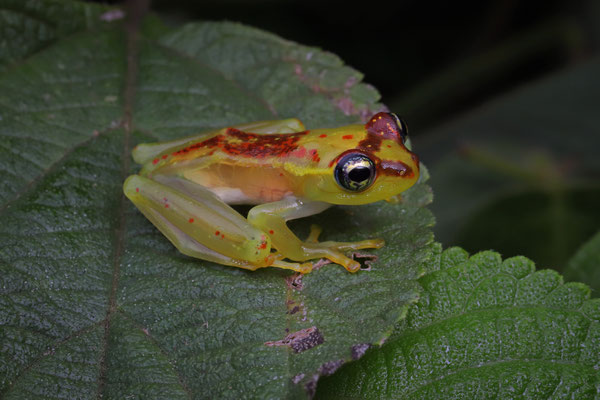
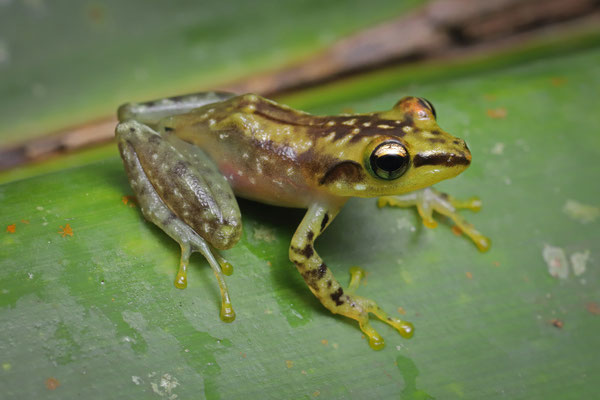
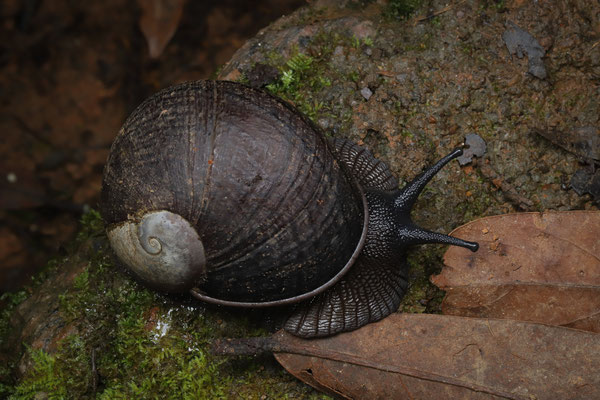
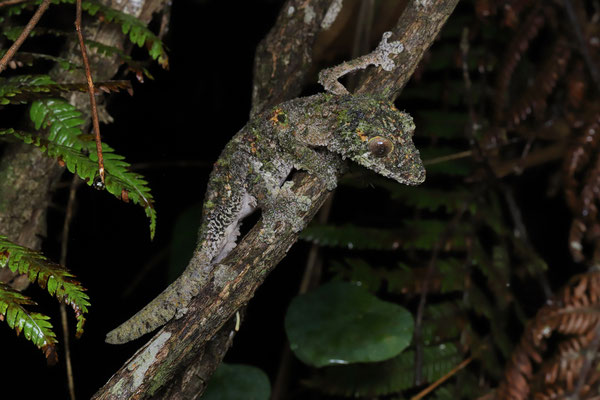
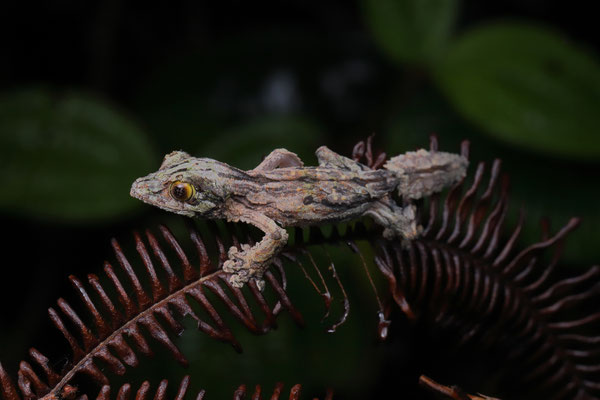
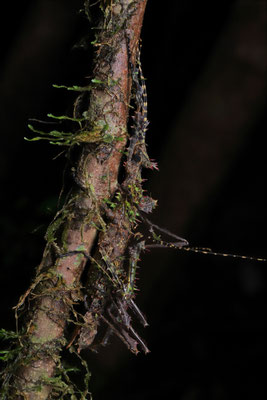
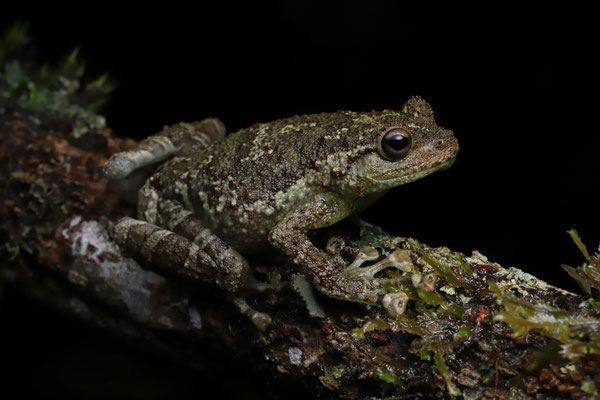
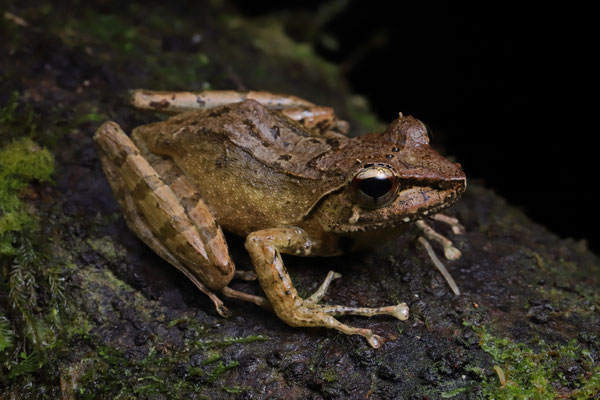
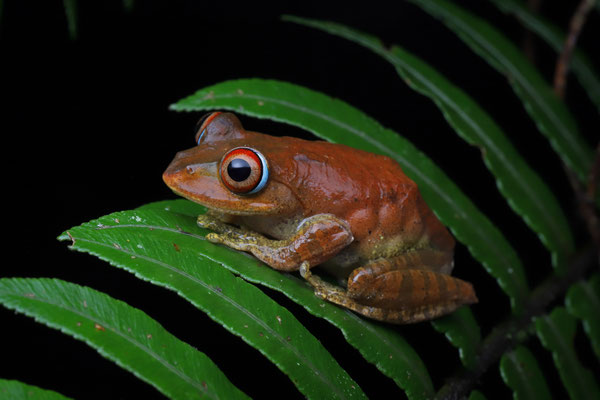
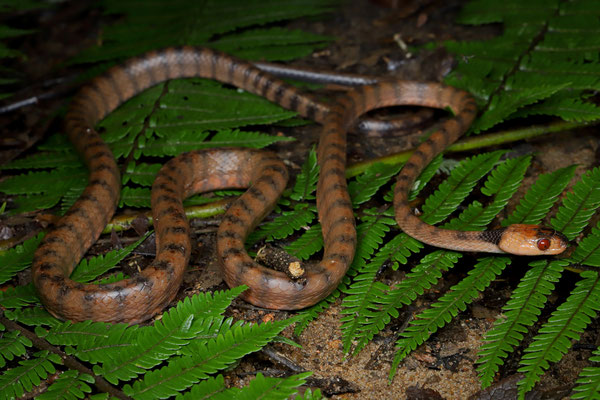
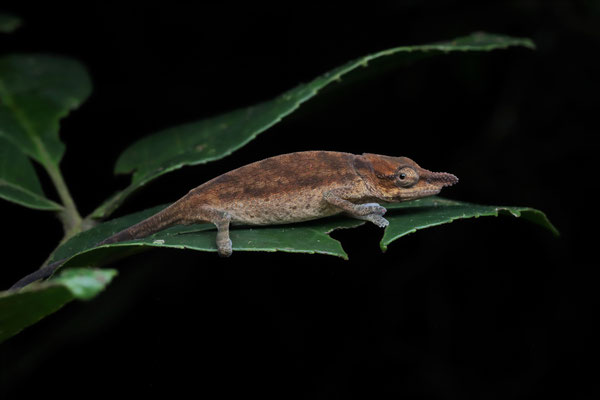
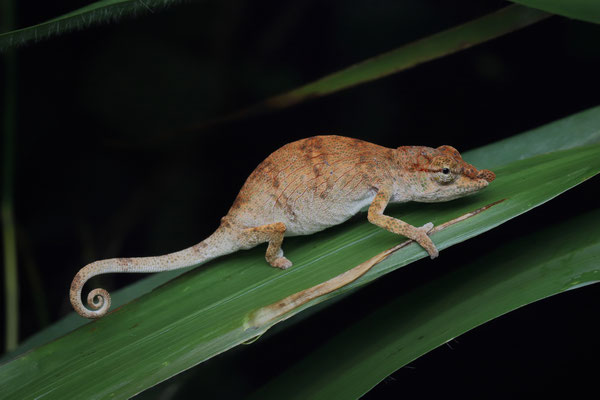
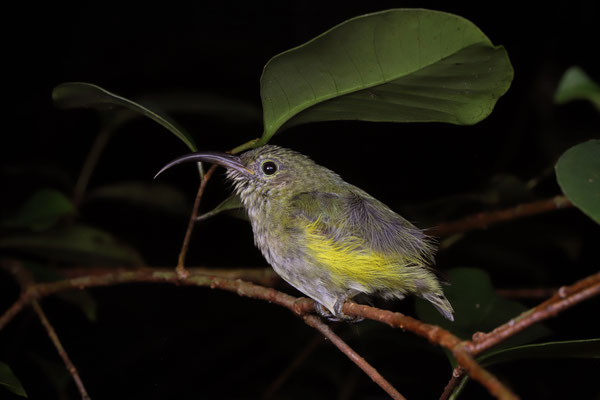
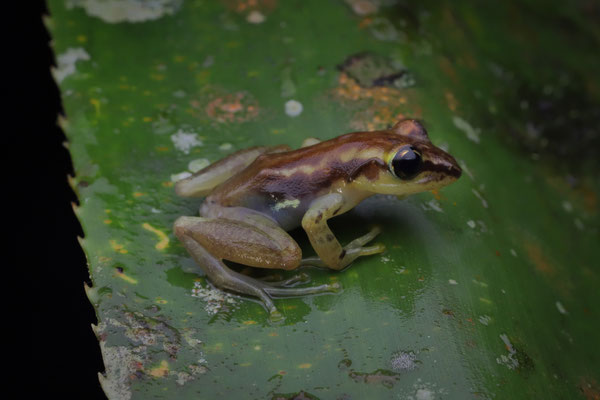
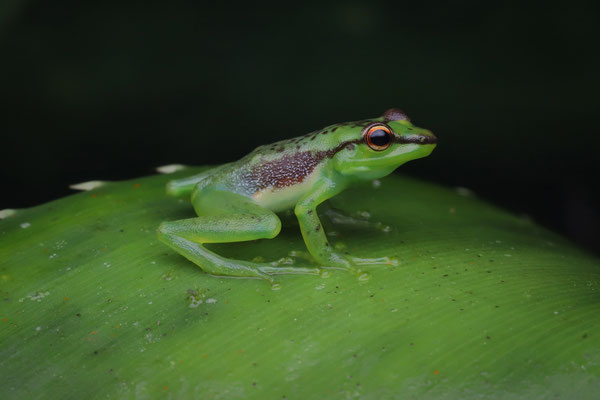
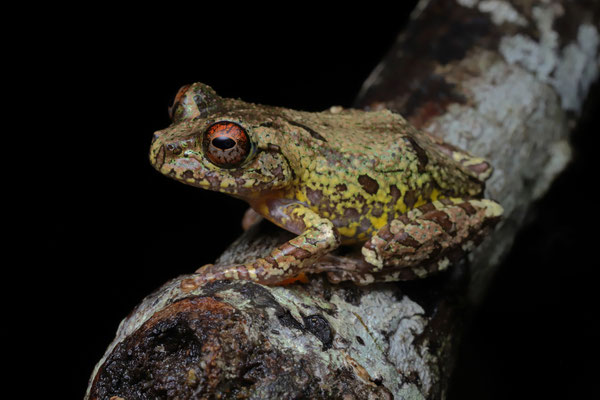
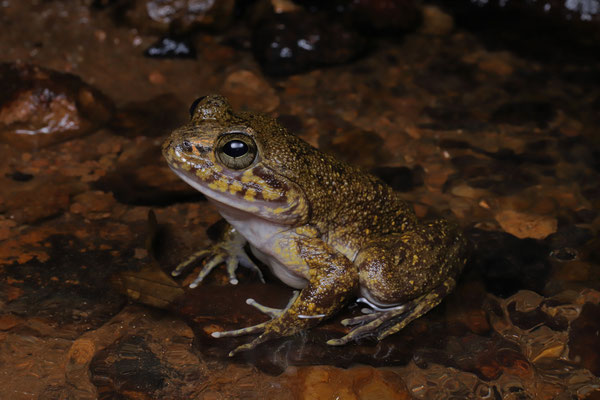
After two nights in Tana, Laura and I were greeted at the breakfast table by some interesting persons. Sergio, Jelmer, Jeroen and Bert joined us for the next leg of our trip. A new group, new energy and new destinations awaited us! We drove towards Andasibe where we stayed at the Soanala Lodge from where we could enjoy the songs of the Indri (Indri indri) every day. It was the perfect stay to explore multiple nearby forest reserves such as VOIMMA, Mitsinjo, Maromizaha and Torotorofotsy. The species compositions here are similar to Ranomafana, and Laura and I got to see many familiar faces. But of course on an island with a staggering biodiversity like Madagascar, we also found tons of new species. First and foremost, many new chameleons could be added to our evergrowing list. Over the course of 4 nights we found Horned Leaf Chameleon (Brookesia superciliaris), Perinet Leaf Chameleon (Brookesia therezieni), Domergue's Leaf Chameleon (Brookesia thieli), Short-horned Chameleon (Calumma brevicorne), Angozongahy Nosed Chameleon (Calumma emelinae), Perinet Chameleon (Calumma gastrotaenia), Green-eared Chameleon (Calumma malthe), Andasibe Nosed Chameleon (Calumma nasutum), Hofreiter's Chameleon (Calumma hofreiteri), Parson's Chameleon (Calumma parsonii), Two-toned Soft-nosed Chameleon (Calumma roaloko), Oustalet's Chameleon (Furcifer oustaleti) and on the final night Bert spotted a female Canopy Chameleon (Furcifer willsii). The lower parts of the Andasibe area showed clear signs of the cyclone that we also got to experience. Raging torrents must have carried debris into the lower vegetation and all the leafs were covered with sediment. During our visit the rivers had normal water levels again, but the wet conditions made sure we got to see plenty of frogs. Some of those are species that are only active under real wet conditions. During one evening we saw several Marbled Rain Frogs (Scaphiophryne marmorata) hopping around and Mister Microhyla Jeroen spotted a Madagascar Mouse Frog (Paradoxophyla palmata). One morning we got up at sunrise to search at a wetland known for a very special frog (which I was sure to have already seen in Panama). When we arrived, it was almost anticlimactic how easy it was, and within minutes we saw several Golden Mantellas (Mantella aurantiaca)! Another big frog highlight came after we were scanning treeholes the hole day and finally found a Boulenger's Giant Treefrog (Platypelis grandis). These big and adorable frogs hide during the day in treeholes and hollow bamboo stems in which they also reproduce. At night they also climb around and we saw a second individual during one of our night hikes. It is impossible to give all species an honorable mention here, as we saw many more frogs during our time here such as Aglyptodactylus madagascariensis, Boophis albilabris, Boophis boehmei, Boophis bottae, Boophis guibei, Boophis madagascariensis, Boophis opisthodon, Boophis pyrrhus, Boophis tasymena, Gephyromantis cornutus, Gephyromantis luteus, Gephyromantis mitsinjo, Guibemantis ambakoana, Guibemantis pulcher, Guibemantis rianasoa, Plethodontohyla notosticta, Spinomantis aglavei, Mantella baroni, Mantidactylus femoralis, Mantidactylus grandidieri, Mantidactylus melanopleura, Mantidactylus opiparis and Ptychadena mascareniensis. Snakes were a bit harder to come by, but we still saw multiple species such as Sanzinia madagascariensis, Compsophis infralineatus, Compsophis laphystius, Thamnosophis epistibes, Thamnosophis infrasignatus and the biggest highlight was a big White-banded Tree Snake (Phisalixella arctifasciata).


























Vohimana Private Reserve
From the 5th until the 6th of March 2026
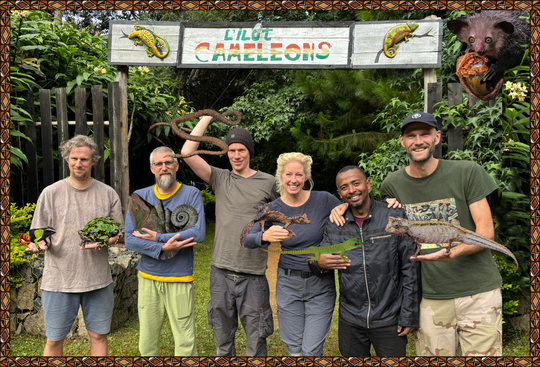
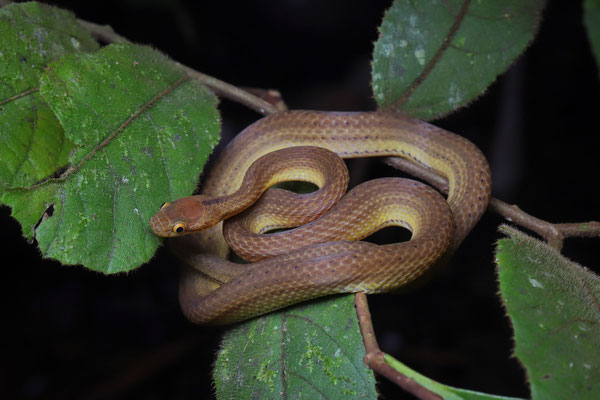
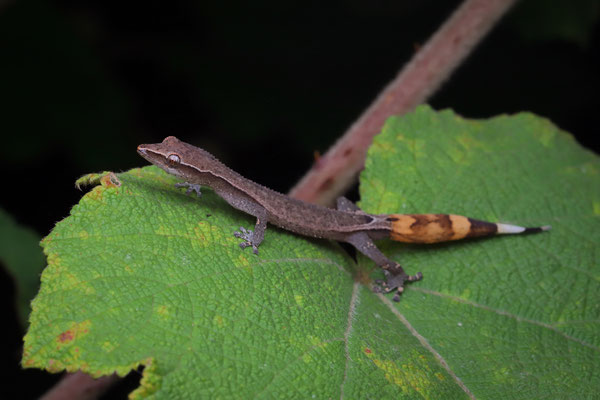
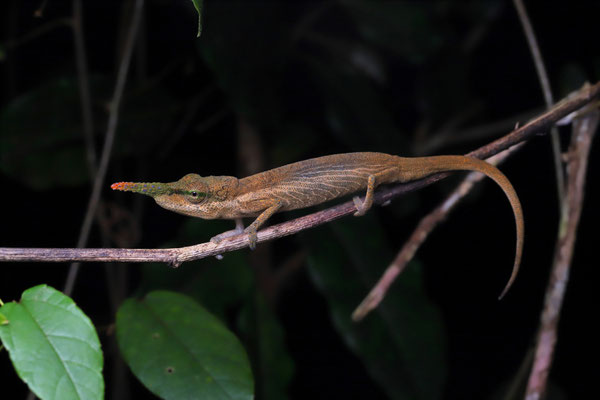
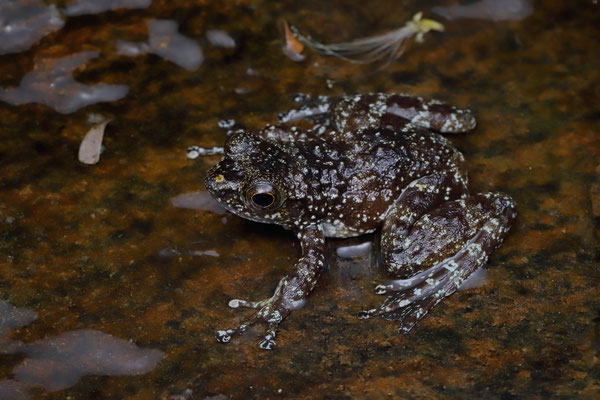
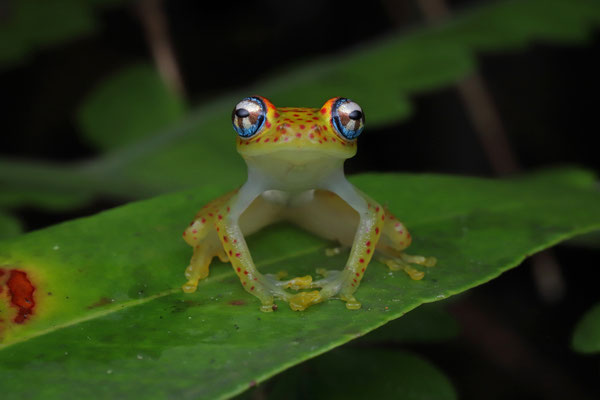
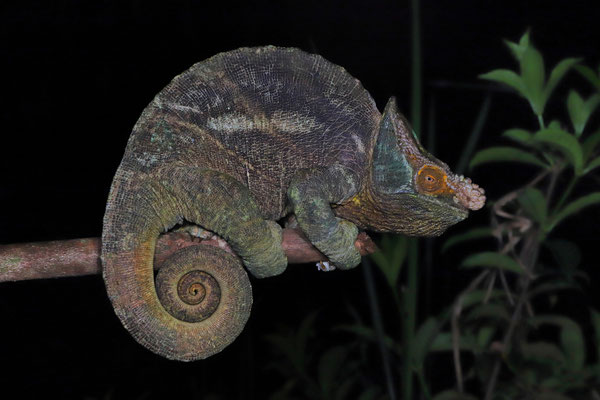
Although we only spent one night in this reserve, it was a night to remember as so many iconic species turned up. The main draw were the endemic Pinocchio Chameleons (Calumma pinocchio) of which we found multiple pairs sleeping together. Along the stream Jeroen discovered many Cowan's Madagascar Stream Frogs (Mantidactylus cowani) clinging to the rocks along the fast flowing water. In the vegetation along the stream there was also plenty to see, and we saw several big White-lipped Bright-eyed Frogs (Boophis albilabris) and Bert and Jelmer retrieved an absolutely gorgeous Perinet Night Snake (Ithycyphus perineti) from high up in the trees. On vegetation along the trail I discovered a beautiful Greater Clawless Gecko (Ebenavia robusta) and Tasymena Bright-eyed Frog (Boophis tasymena). Animals kept on showing up and on the way back I spotted a Small-eyed Brook Snake (Pseudoxyrhopus microps) and minutes after Jeroen found a Citroentje (Plethodontohyla guentheri). The guide showed us an absolutely gigantic Parson's Chameleon (Calumma parsonii) to close off this absolutely incredible night of herping. A pity we didn't have more time to search for the other chameleon species known to occur in this reserve. The next morning during breakfast we made a new friend with Mr. Man Bun who walked into a wasp nest trying to explain to a group of biologists how the day geckos of Madagascar are invasive and are eating all the native bees. Again, a pity we didn't stay longer here, as those were some very amusing conversations!



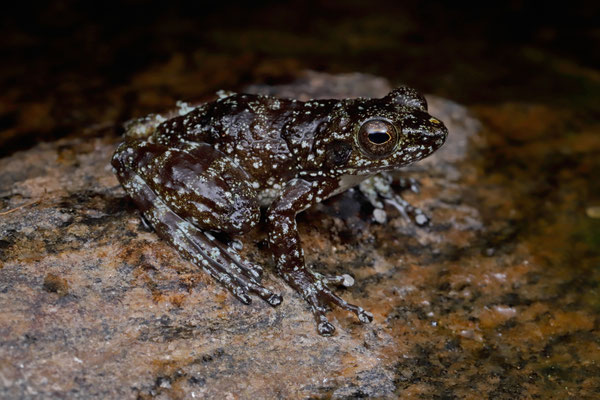

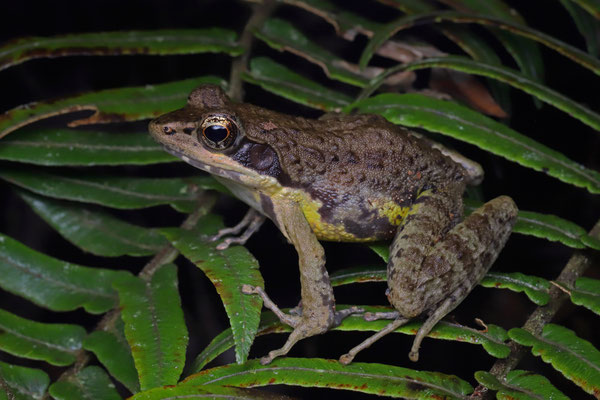
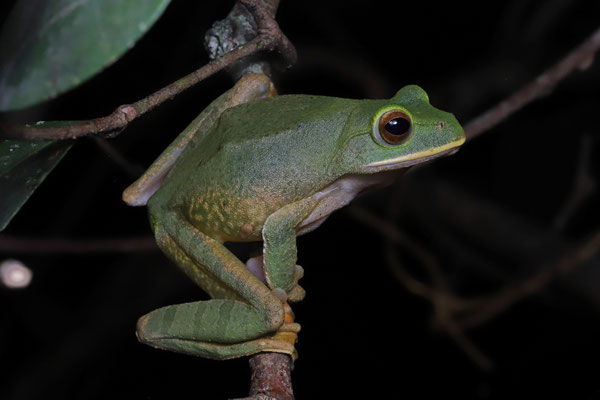
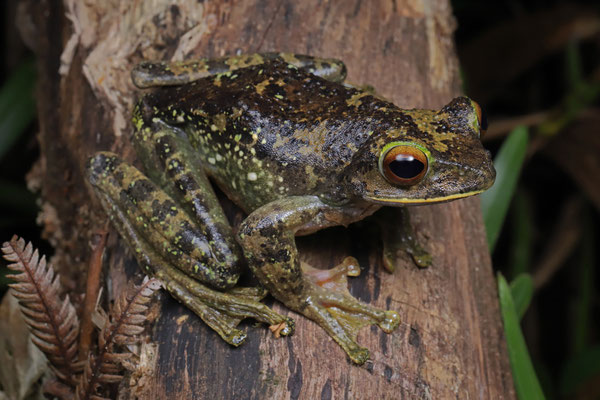




Akanin'ny Nofy Private Reserve
From the 6th until the 9th of March 2026
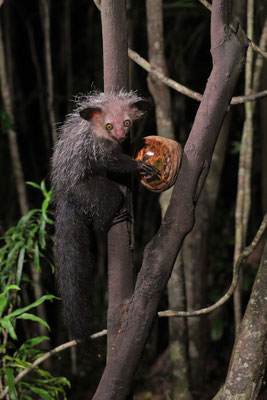
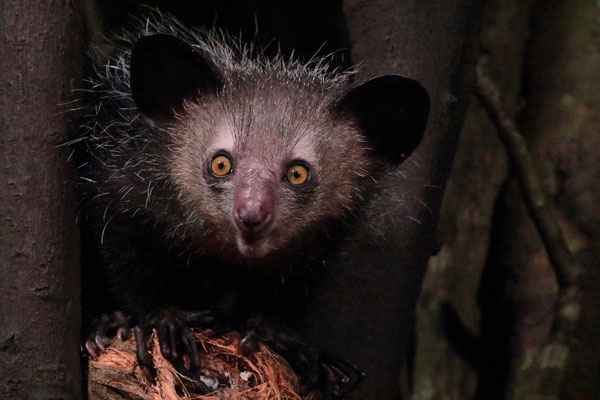
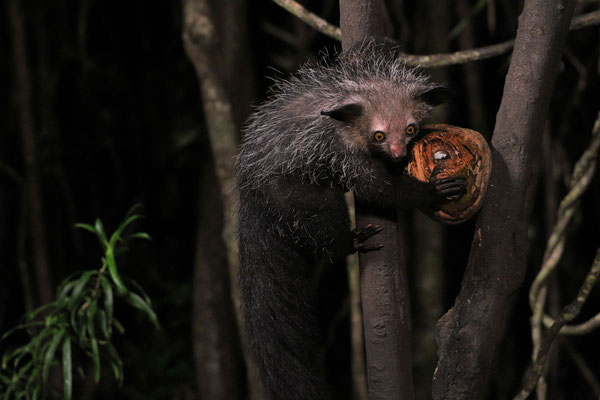
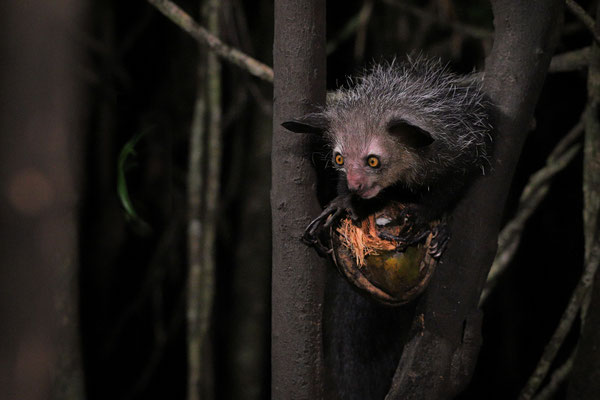
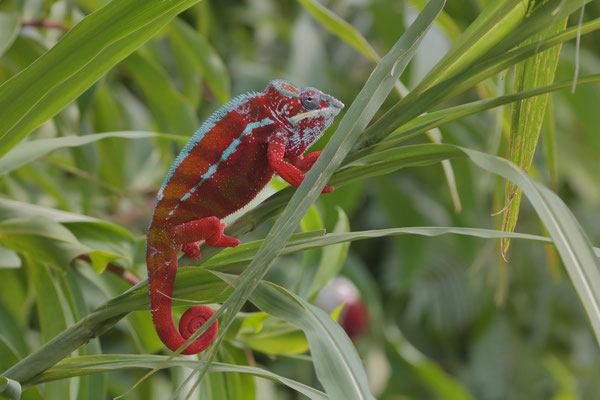
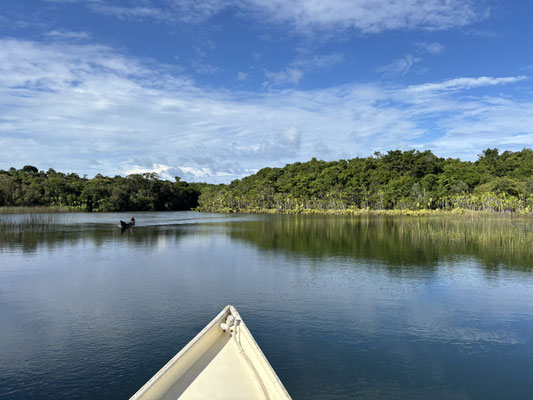
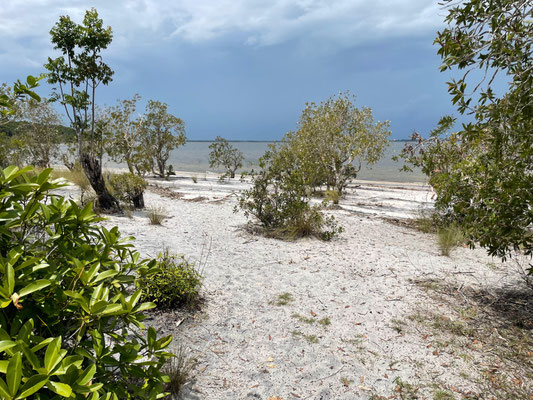
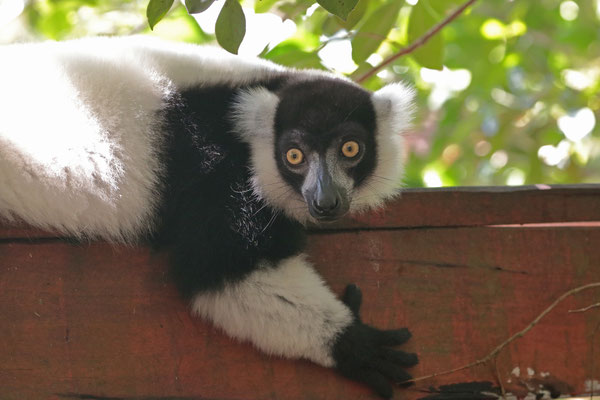
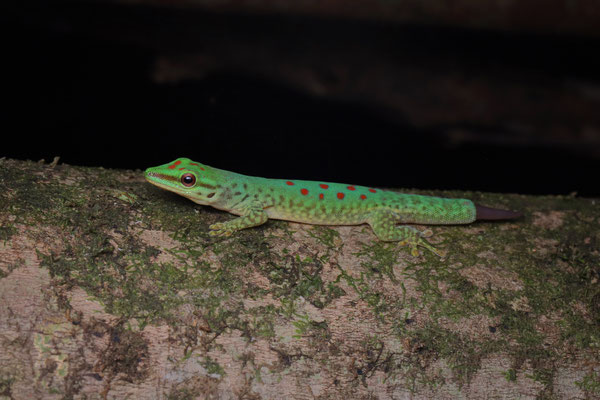
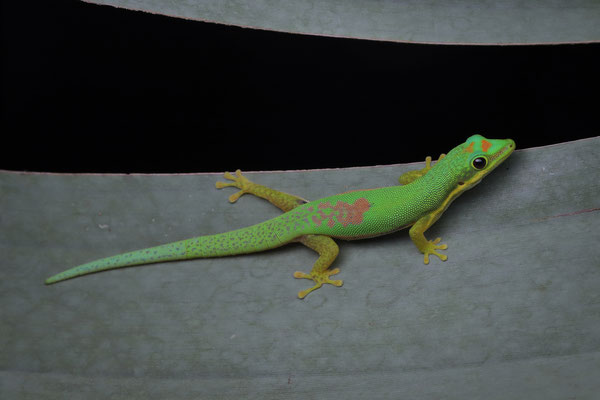
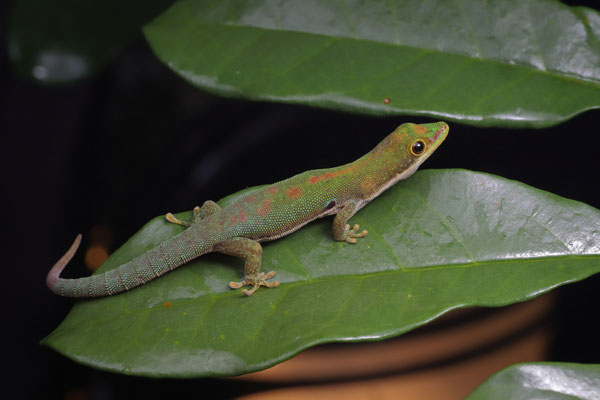
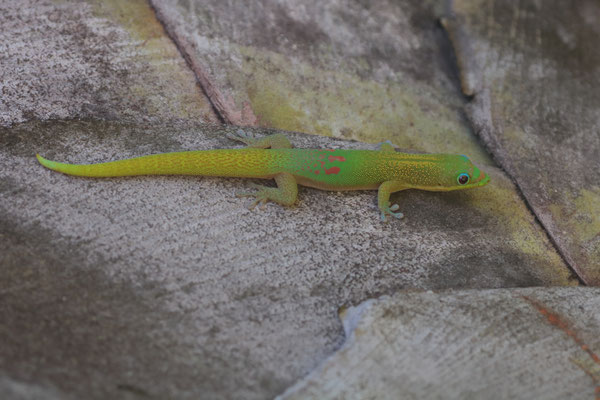
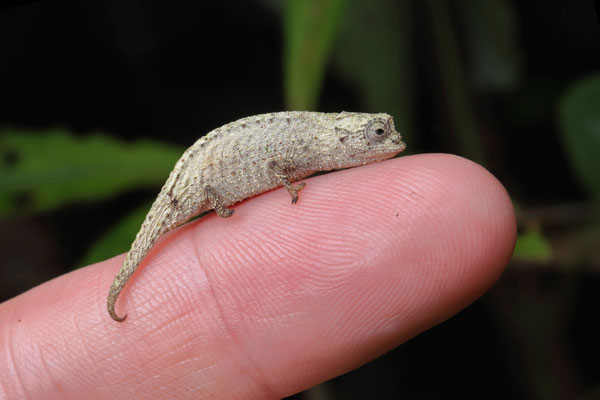
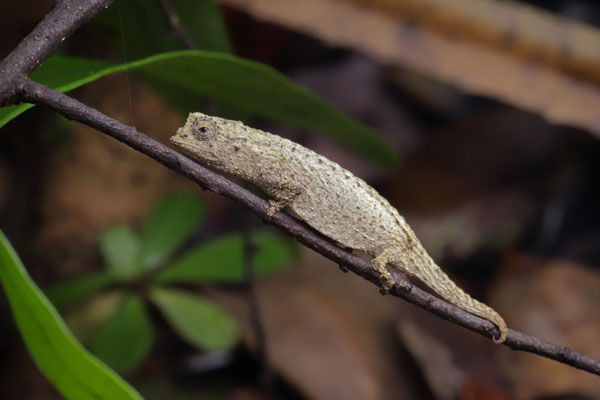
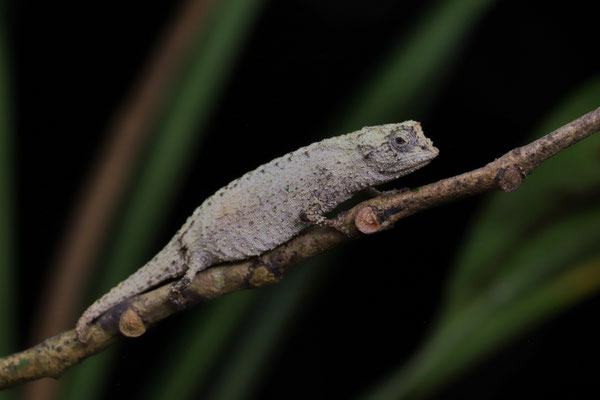
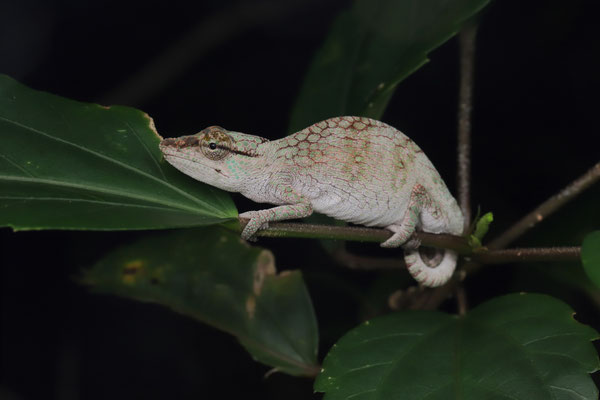
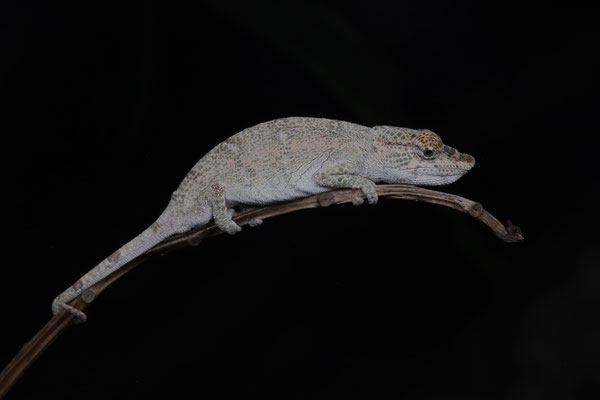
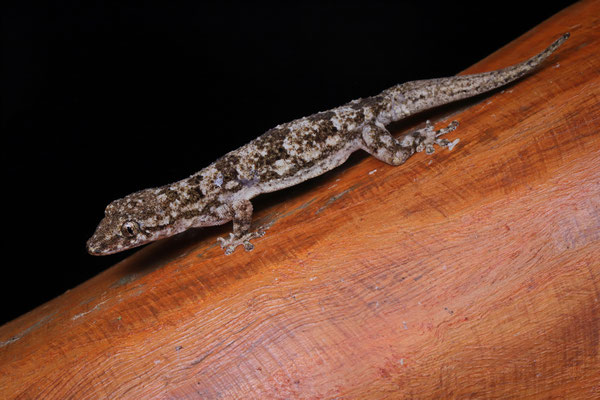
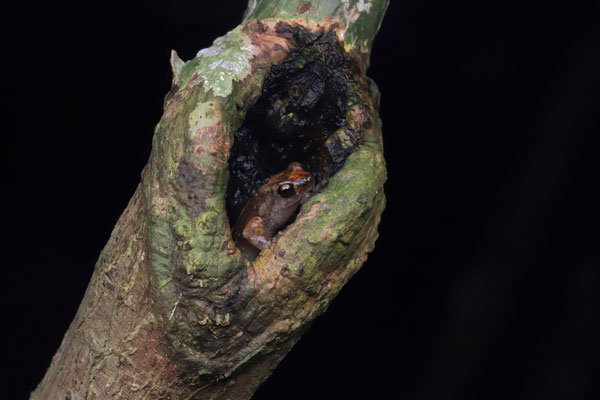
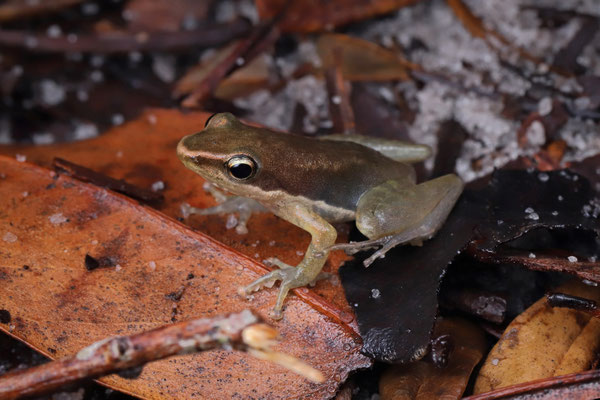
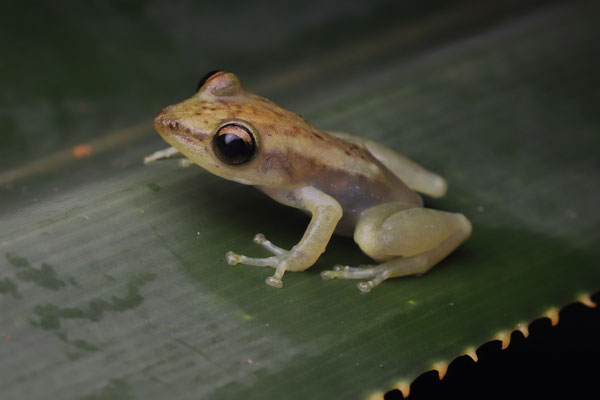
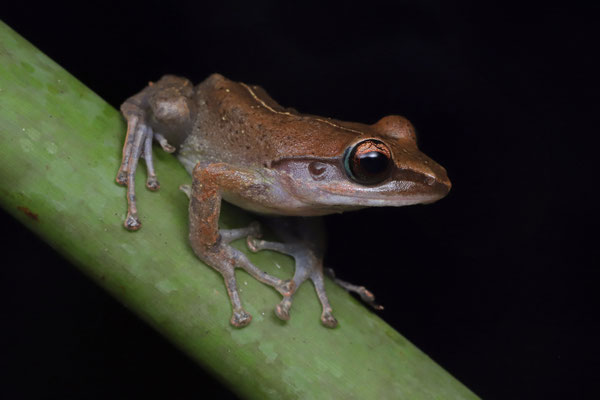
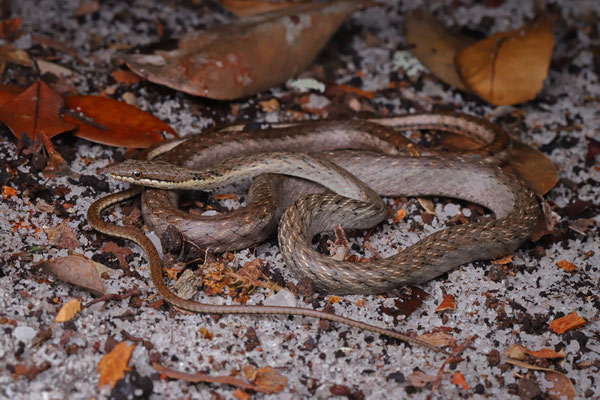
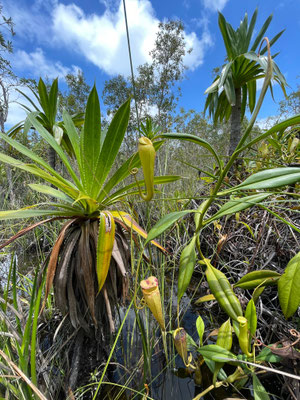
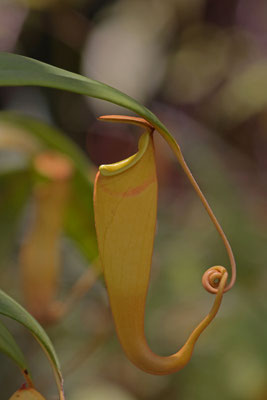
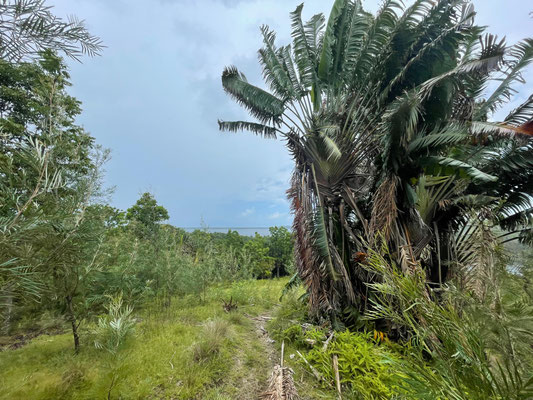
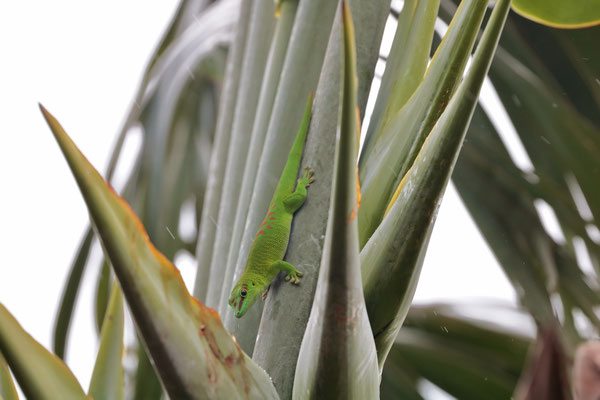
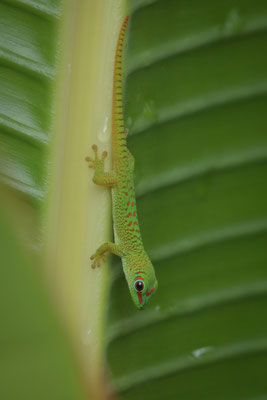
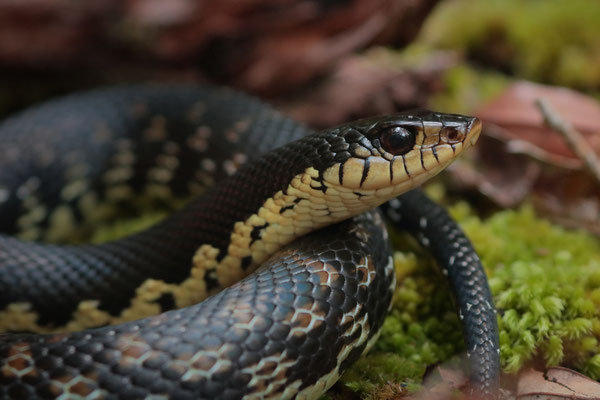
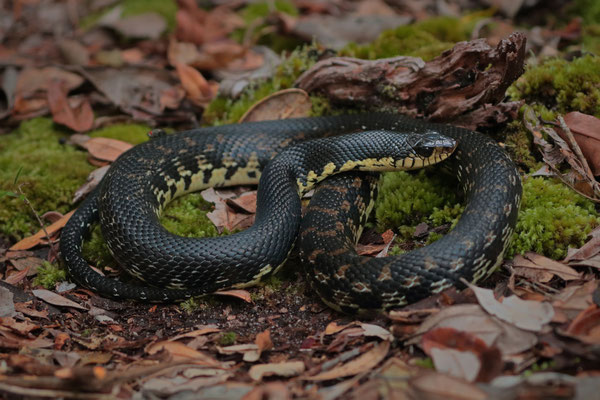
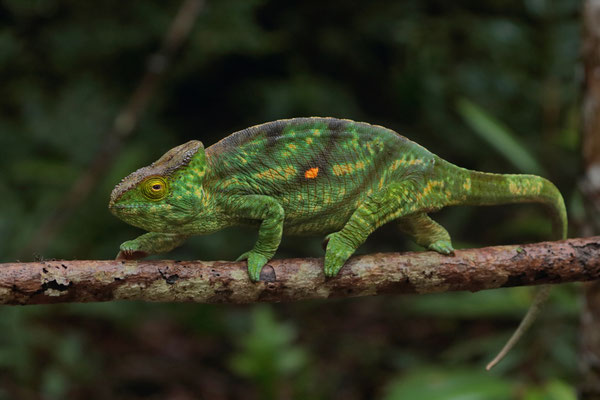
The tiny private reserve of Ankanin'ny Nofy is home to a staggering number of interesting herps as well as the luxurious Palmarium. We couldn't miss out on visiting this place and spent three nights at the hot and sultry coast. Along the road, Sergio already spotted multiple Panther Chameleons (Furcifer pardalis) in the roadside vegetation and they were incredibly coloured. At the harbour of Manambato we hopped on a boat and went to the hotel. We didn't have a lot of time though as we did a little side quest just before dinner. Before we knew it, we were aye to aye with three Aye-aye (Daubentonia madagascariensis) which was an incredible experience. After a delicious dinner we walked a bit in the forest around the lodge, where the eagle eyes of our guide Romeo managed to spot the tiniest chameleon, but the biggest reason to visiting this place. The Ankanin'ny Nofy Leaf Chameleon (Brookesia nofy) has only been described in 2024 and is one of the smallest reptiles in the world. Unbelievable to see a chameleon that tiny! We also saw some Speckled Day Geckos (Phelsuma guttata) sleeping on palms, but it was only during the day that we could really get to know the incredible Day Gecko diversity of this place. We found Striped Day Geckos (Phelsuma lineata) and Gold Dust Day Geckos (Phelsuma laticauda) close to the lodge, whereas the huge Madagascar Giant Day Geckos (Phelsuma grandis) were found in Traveller's Palms (Ravenala madagascariensis). The tiny Dwarf Day Geckos (Phelsuma parva) Laura and I found on our last day in the area. One gecko was high up in a palm, the other sleeping next to a lamp illuminating the path. Other geckos were also present in good numbers and we saw Ebenavia boettgeri, Geckolepis maculata and Hemidactylus mercatorius. Besides tiny chameleons and many geckos, another major draw for me was the only other endemic chameleon to the area. This species only occurs in two small forest patches north and south of the lodge. In one of these forest patches we got to see many Vohibola Forest Chameleons (Calumma vohibola) at night and it was good to see this range restricted species in such good numbers. Several snake species are profiting from all those lizards around. I found a Forest Night Snake (Ithycyphus goudoti) and a big Malagasy Giant Hognose Snake (Leioheterodon madagascariensis), while Romeo and Jeroen both found a Malagasy Leaf-nosed Snake (Langaha madagascariensis). Fantastic to see this species again, the most unique snake of the island and especially the females. During our stay here, we had a lot of rain which made it hard to dry our clothes. Yet, those wet conditions definitely brought out the frogs! We saw multiple species such as Anodonthyla boulengerii, Blommersia blommersae, Boophis opisthodon, Guibemantis methueni, Heterixalus madagascariensis, Plethodontohyla notosticta and the ubiquitous Ptychadena mascareniensis.

















Mandraka Park
From the 10th until the 11th of March 2026
Our time in Madagascar really flew by and this was already the last stop with the whole team. Laura and I would fly to Kenya the next day, whereas the boys would stay behind and spend 10 more days in Madagascar. But this sure was a worthy final night on Malagasy soil! Although we initially weren't too smitten by the disturbed habitat at this particular place, the moment we set foot inside the forest the chameleons just kept coming in. Multiple species and multiple individuals. It was madness! We saw many Globe-horned Chameleons (Calumma globifer), Cryptic Chameleons (Calumma crypticum), loads of babies of Perinet Chameleon (Calumma gastrotaenia) and a few Angozongahy Nosed Chameleon (Calumma emelinae). But the highlight of the evening was a pair of Ramanantsoa's Leaf Chameleon (Brookesia ramanantsoai) which I spotted sleeping deep in the vegetation. Our final chameleon species of the trip and such an incredibly small species. Wonderful! And finally I also found another Domergue's Leaf Chameleon (Brookesia thieli) to complete our chameleon list for the evening.


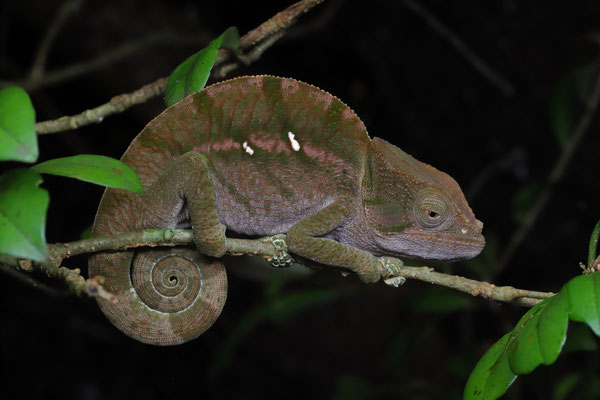


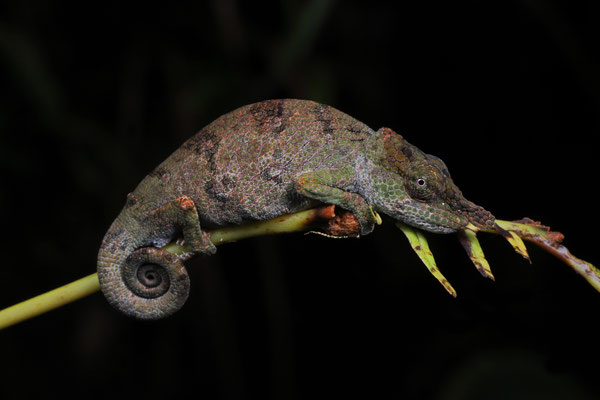


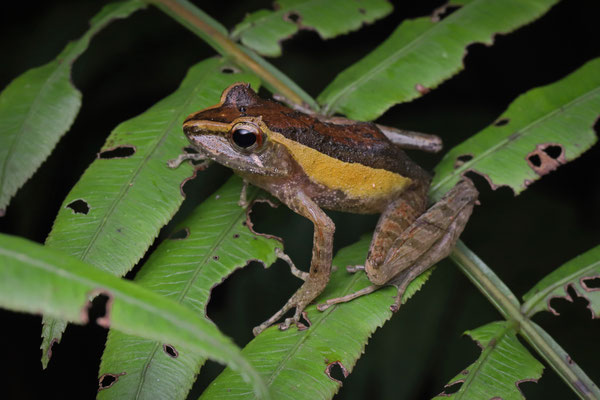
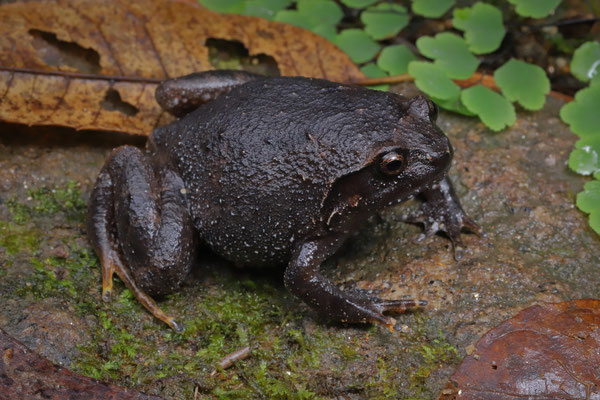
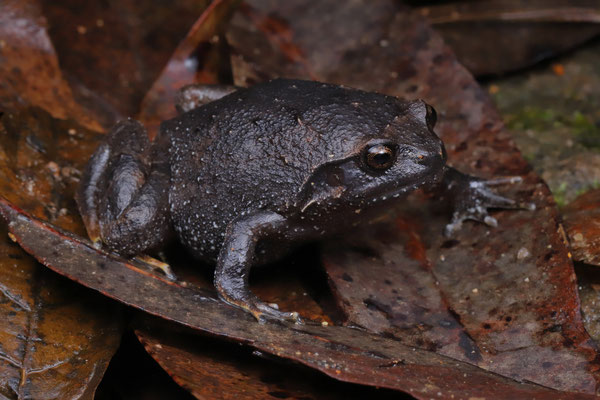
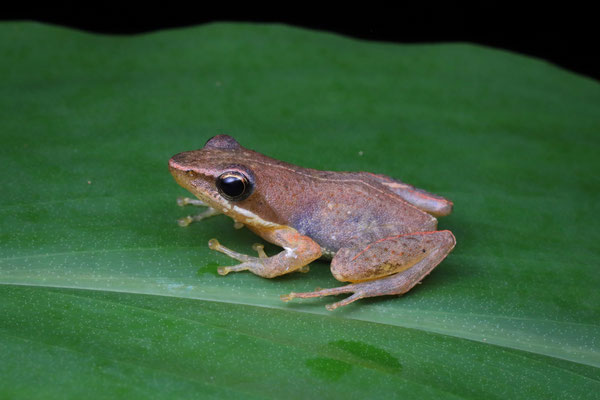


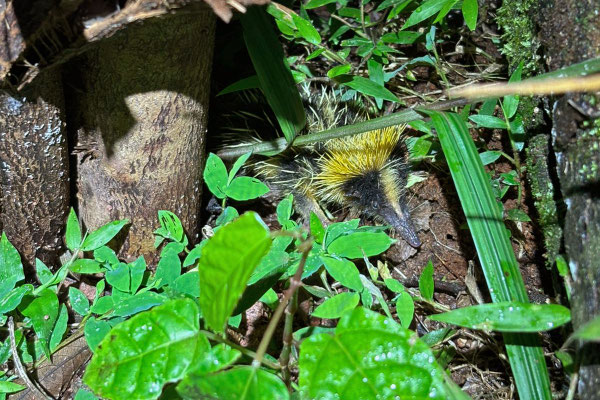
And here also a special thanks to our friend Sergio from Nature Tour Madagascar. Already from the beginning when we first had contact and started talking about the route we wanted to do, I felt like our trip was in safe hands. And it definitely was! It was excellently organized, you were flexible and adapted to our (sometimes changing) wishes and it was great fun doing this trip together!
Epilogue
Visiting Madagascar for the first time was truly a dream come true. For a long time it wasn't possible for me to do a longer trip there in a proper season, and moreover I found the biodiversity quite overwhelming. There are simply so many species and so many places to go, that I didn't really know where to start. But for a first time visit Madagascar we simply focused on the chameleons and a few frogs, while trying to find loads of other iconic species along the way. Traveling Madagascar was as adventurous as can be, as the roads are in an exceptionally bad shape and the traffic can be hectic in some places. Progress on the heavily damaged roads is slow and travel from one place to the other requires time and patience. Moreover, the majority of the population lives in dire poverty. This is the 4th poorest country in the world after all. Along the road, people can be seen washing themselves or their laundry in polluted streams, living in makeshift houses and going to the toilet in the middle of the towns. The scenes we saw were quite rough sometimes as hygiene standards are very different to what we are used to in most places in the world. This sometimes left a bit of ambivalent feelings because while we were staying in our nice lodges with toilets, showers and nice food, the local people were washing themselves in a muddy stream just around the corner. But then again, we do create local revenue with our visit, employing local people and leaving quite some money. We just hope that the people do indeed profit from that and see the worth of the few remaining places where nature still has a place on the island. Ecotourism is definitely a big income for certain local communities. We were positively surprised how the local guides were familiar with the species we wanted to see - knowing all the scientific names and the exact places where to find them. Without them we would have seen much, much less! We thoroughly loved Madagascar and rarely have we herped with such great results. Every day and every night we went out, and every single time so many different animals showed up. Very rewarding! We are already thinking of visiting again. Misaotra Madagascar and see you next time!
Species
Madagascar Jumping Frog (Aglyptodactylus madagascariensis)
Boulenger's Climbing Frog (Anodonthyla boulengerii)
Moramanga Madagascar Frog (Blommersia blommersae)
Sarotra Blommersia Frog (Blommersia sarotra)
White-lipped Bright-eyed Frog (Boophis albilabris)
Böhme's Bright-eyed Frog (Boophis boehmei)
Bott's Bright-eyed Frog (Boophis bottae)
Goudot's Bright-eyed Frog (Boophis goudotii)
Warty Bright-eyed Frog (Boophis guibei)
Ankafana Bright-eyed Frog (Boophis luteus)
Madagascar Bright-eyed Frog (Boophis madagascariensis)
Eastern Bright-eyed Frog (Boophis opisthodon)
Painted Bright-eyed Frog (Boophis picturatus)
Red Bright-eyed Frog (Boophis pyrrhus)
Cryptic Bright-eyed Frog (Boophis quasiboehmei)
Reticulated Bright-eyed Frog (Boophis reticulatus)
Tasymena Bright-eyed Frog (Boophis tasymena)
Dumeril's Bright-eyed Frog (Boophis tephraeomystax)
Horned Madagascar Frog (Gephyromantis cornutus)
Decary's Madagascar Frog (Gephyromantis decaryi)
Kintana Madagascar Frog (Gephyromantis kintana)
White Folohy Madagascar Frog (Gephyromantis luteus)
Mitsinjo Madagascar Frog (Gephyromantis mitsinjo)
Tschenk's Madagascar Frog (Gephyromantis tschenki)
Ambakoana Pandanus Frog (Guibemantis ambakoana)
Variable Pandanus Frog (Guibemantis liber)
Methuen's Pandanus Frog (Guibemantis methueni)
Beautiful Pandanus Frog (Guibemantis pulcher)
Beautiful Waterfall Pandanus Frog (Guibemantis rianasoa)
Tornier's Pandanus Frog (Guibemantis tornieri)
Whitebelly Reed Frog (Heterixalus alboguttatus)
Betsileo Reed Frog (Heterixalus betsileo)
Andranolava Reed Frog (Heterixalus luteostriatus)
Blue-back Reed Frog (Heterixalus madagascariensis)
Madagascar Bullfrog (Laliostoma labrosum)
Golden Mantella (Mantella aurantiaca)
Baron's Mantella (Mantella baroni)
Betsileo Mantella (Mantella betsileo)
Harlequin Mantella (Mantella cowanii)
Common Madagascar Frog (Mantidactylus alutus)
Betsileo Madagascar Frog (Mantidactylus betsileanus)
Cowan's Madagascar Stream Frog (Mantidactylus cowani)
Fort Madagascar Frog (Mantidactylus femoralis)
Grey Madagascar Frog (Mantidactylus guttulatus)
Madagascar Giant Stream Frog (Mantidactylus grandidieri)
Madagascar Frog (Mantidactylus inaudax)
Madagascar Torrent Frog (Mantidactylus lugubris)
Ivohimanita Madagascar Frog (Mantidactylus majori)
Black-sided Madagascar Frog (Mantidactylus melanopleura)
Moquard's Madagascar Frog (Mantidactylus moquardi)
Large-eared Madagascar Frog (Mantidactylus opiparis)
Madagascar Mouse Frog (Paradoxophyla palmata)
Boulenger's Giant Treefrog (Platypelis grandis)
Eastern Digging Frog (Plethodontohyla alluaudi)
Guenther's Digging Frog (Plethodontohyla guentheri)
Mahanoro Digging Frog (Plethodontohyla notosticta)
Brown Rain Frog (Scaphiophryne brevis)
Moquard's Burrowing Frog (Scaphiophryne calcarata)
Malagasy Rainbow Frog (Scaphiophryne gottlebei)
Marbled Rain Frog (Scaphiophryne marmorata)
Malagasy Mossy Frog (Spinomantis aglavei)
Mascarene Ridged Frog (Ptychadena mascareniensis)
Helmeted Terrapin (Pelomedusa subrufa)
Radiated Tortoise (Astrochelys radiata)
Spider Tortoise (Pyxis arachnoides)
Anja Leaf Chameleon (Brookesia brunoi)
Brygoo's Leaf Chameleon (Brookesia brygooi)
Ankanin'ny Nofy Leaf Chameleon (Brookesia nofy)
Ramanantsoa's Leaf Chameleon (Brookesia ramanantsoai)
Horned Leaf Chameleon (Brookesia superciliaris)
Perinet Leaf Chameleon (Brookesia therezieni)
Domergue's Leaf Chameleon (Brookesia thieli)
Short-horned Chameleon (Calumma brevicorne)
Cryptic Chameleon (Calumma crypticum)
Angozongahy Nosed Chameleon (Calumma emelinae)
Deceptive Chameleon (Calumma fallax)
Perinet Chameleon (Calumma gastrotaenia)
Glaw's Chameleon (Calumma glawi)
Globe-horned Chameleon (Calumma globifer)
Hofreiter's Chameleon (Calumma hofreiteri)
Green-eared Chameleon (Calumma malthe)
Andasibe Nosed Chameleon (Calumma nasutum)
O'Shaughnessy's Chameleon (Calumma oshaughnessyi)
Parson's Chameleon (Calumma parsonii)
Pinocchio Chameleon (Calumma pinocchio)
Two-toned Soft-nosed Chameleon (Calumma roaloko)
Ranomafana Nosed Chameleon (Calumma tjiasmantoi)
Vohibola Forest Chameleon (Calumma vohibola)
Antimena Chameleon (Furcifer antimena)
Two-banded Chameleon (Furcifer balteatus)
Carpet Chameleon (Furcifer lateralis)
Southern Carpet Chameleon (Furcifer major)
Oustalet's Chameleon (Furcifer oustaleti)
Panther Chameleon (Furcifer pardalis)
Warty Chameleon (Furcifer verrucosus)
Canopy Chameleon (Furcifer willsii)
Elongate Leaf Chameleon (Palleon nasus)
Madagascar Iguana (Chalarodon madagascariensis)
Cuvier's Madagascar Swift (Oplurus cuvieri)
Merrem's Madagascar Swift (Oplurus cyclurus)
Grandidier's Madagascar Swift (Oplurus grandidieri)
Dumeril's Madagascar Swift (Oplurus quadrimaculatus)
Tulear Velvet Gecko (Blaesodactylus sakalava)
Boettger's Clawless Gecko (Ebenavia boettgeri)
Madagascar Clawless Gecko (Ebenavia inunguis)
Greater Clawless Gecko (Ebenavia robusta)
Spotted Fish-scale Gecko (Geckolepis maculata)
Mahafaly Fisch-scale Gecko (Geckolepis typica)
Four-clawed Gecko (Gehyra mutilata)
Common House Gecko (Hemidactylus frenatus)
Farquhar Half-toed Gecko (Hemidactylus mercatorius)
Tiny Dwarf Gecko (Lygodactylus bivittis)
Guibe's Dwarf Gecko (Lygodactylus guibei)
Tsimanampetsotsa Dwarf Gecko (Lygodactylus tuberosus)
Mocquard's Dwarf Gecko (Lygodactylus verticillatus)
Anja Half-padded Gecko (Paragehyra felicitae)
Graceful Madagascar Ground Gecko (Paroedura gracilis)
Betroka Leaf-toed Gecko (Paroedura guibeae)
Madagascar Ground Gecko (Paroedura picta)
Kirindy Leaf-toed Gecko (Paroedura rennerae)
Anja Day Gecko (Phelsuma gouldi)
Madagascar Giant Day Gecko (Phelsuma grandis)
Speckled Day Gecko (Phelsuma guttata)
Morondava Day Gecko (Phelsuma hielscheri)
Gold Dust Day Gecko (Phelsuma laticauda)
Striped Day Gecko (Phelsuma lineata)
Modest Day Gecko (Phelsuma modesta)
Thicktail Day Gecko (Phelsuma mutabilis)
Dwarf Day Gecko (Phelsuma parva)
Peacock Day Gecko (Phelsuma quadriocellata)
Standing's Day Gecko (Phelsuma standingi)
Satanic Leaf-tailed Gecko (Uroplatus phantasticus)
Mossy Leaf-tailed Gecko (Uroplatus sikorae)
Voeltzkow's Snake-eyed Skink (Cryptoblepharus voeltzkowi)
Grey Skink (Flexiseps ornaticeps)
Striped Burrowing Skink (Grandidierina lineata)
Ankodabe Madagascar Skink (Madascincus ankodabensis)
Common Madagascar Skink (Madascincus melanopleura)
Braconnier's Short Skink (Pygomeles braconnieri)
Gold-spotted Mabuya (Trachylepis aureopunctata)
Elegant Mabuya (Trachylepis elegans)
Gravenhorst's Mabuya (Trachylepis gravenhorstii)
Isalo Skink (Trachylepis nancycoutuae)
Boulder Mabuya (Trachylepis vato)
Peter's Keeled Plated Lizard (Tracheloptychus petersi)
Bronze Girdled Lizard (Zonosaurus aeneus)
Western Girdled Lizard (Zonosaurus laticaudatus)
Madagascar Girdled Lizard (Zonosaurus madagascariensis)
Ornate Girdled Lizard (Zonosaurus ornatus)
Sand Worm Snake (Madatyphlops arenarius)
Domergue's Worm Snake (Madatyphlops domerguei)
Madagascar Ground Boa (Acrantophis dumerili)
Madagascar Tree Boa (Sanzinia madagascariensis)
Western Madagascar Tree Boa (Sanzinia volontany)
Lined Forest Snake (Compsophis infralineatus)
Ranomafana Big-headed Snake (Compsophis laphystius)
Bernier's Striped Snake (Dromicodryas bernieri)
Light-banded Dwarf Snake (Heteroliodon occipitalis)
Forest Night Snake (Ithycyphus goudoti)
Southwestern Night Snake (Ithycyphus oursi)
Perinet Night Snake (Ithycyphus perineti)
Malagasy Leaf-nosed Snake (Langaha madagascariensis)
Speckled Hognose Snake (Leioheterodon geayi)
Malagasy Giant Hognose Snake (Leioheterodon madagascariensis)
Toliara Smooth Snake (Liophidium chabaudi)
Slender Smooth Snake (Liopholidophis rhadinaea)
Common Madagascar Cat Snake (Madagascarophis colubrinus)
Karimbola Cat Snake (Madagascarophis meridionalis)
Pencil Snake (Mimophis mahfalensis)
Small-eyed Brook Snake (Pseudoxyrhopus microps)
Three-striped Ground Snake (Pseudoxyrhopus tritaeniatus)
White-banded Tree Snake (Phisalixella arctifasciata)
Eastern Madagascar Water Snake (Thamnosophis epistibes)
Forest Water Snake (Thamnosophis infrasignatus)
Many thanks to Sergio Benarson, Frank Deschandol, Frank Glaw, Alex Laube, Jarry Nambinina, John Sullivan, David Prötzel & Miguel Vences.